





Susumu Tonegawa dies at 86, Nobel laureate in antibody research
 2026-07-16
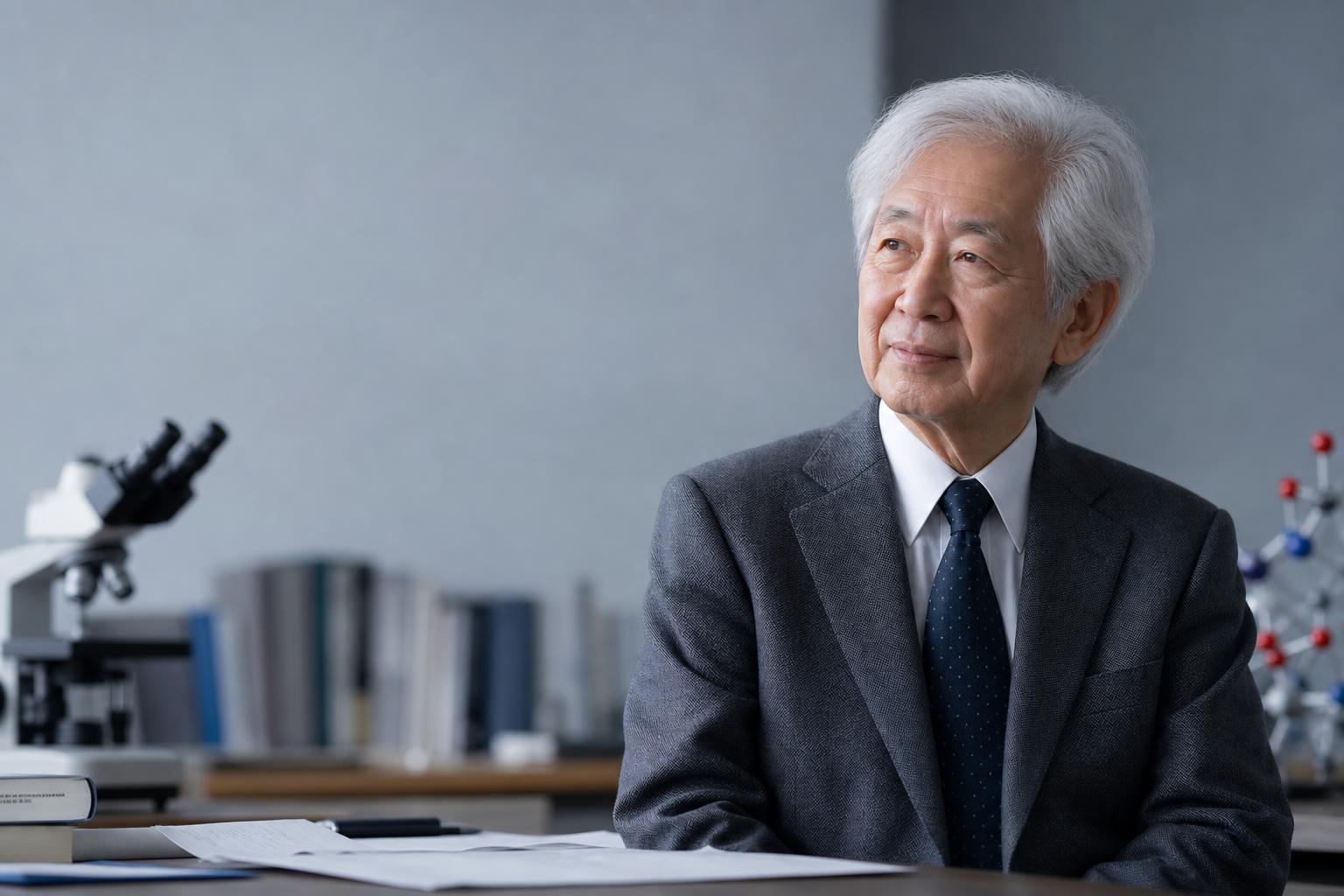
Nobel Prize in Physiology or Medicine
Susumu Tonegawa, a professor at the Massachusetts Institute of Technology (MIT) who became the first Japanese to win the Nobel Prize in Physiology or Medicine in 1987, died on July 11. He was 86.
Career and research
Tonegawa was born in Nagoya in 1939. He graduated from Kyoto University in 1963 and completed his studies at the University of California, San Diego in 1968. After serving as a senior researcher at the Basel Institute for Immunology, he worked as professor of biology at MIT and director of the RIKEN Brain Science Institute.
From antibody research to brain science
He was known for elucidating how immune cells rearrange genes to produce an almost infinite variety of antibodies. This process allows immune cells to eliminate foreign substances such as unknown viruses when they enter the body. After winning the Nobel Prize, he shifted the focus of his research to brain science and continued his work, including publishing findings in 2025 in one of the world's leading scientific journals on part of the mechanism behind erasing fear memories in the brain. In October 2013, he wrote My Resume for the Nikkei.
Enjoyed this article? Share it with your network!