





Replacement tariff to expire on the 24th, Japan rate seen at 12.5%
 2026-07-16
Replacement measure expires
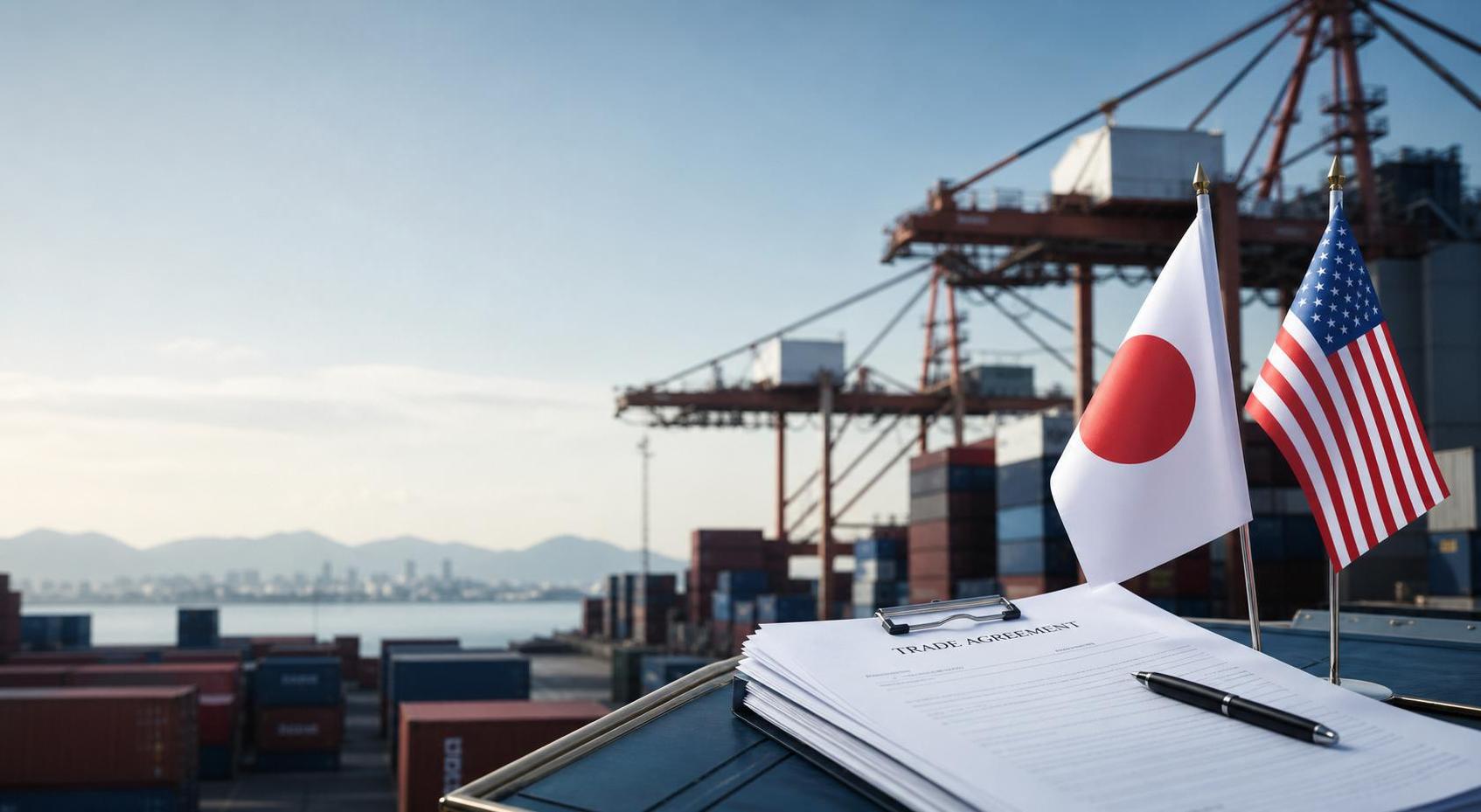
The 10% replacement tariff standing in for Trump tariffs that the U.S. Supreme Court ruled invalid will expire on the 24th. The expiry time is 1:01 p.m. Japan time on the 24th. The Trump administration plans to shift to new tariffs based on Section 301 of the Trade Act, and the burden on exports from Japan could become heavier than it is now.
New tariff proposal under Section 301
In April 2025, Trump introduced a 10% reciprocal tariff covering almost the entire world, and then decided country-by-country rates in August. After lengthy negotiations, Japan pledged investment in the U.S. and its rate was set at 15%, the same as the European Union (EU) and others. But in February this year, the Supreme Court ruled the tariffs invalid, saying they exceeded presidential authority.
The total value of the invalidated tariffs reached $166 billion (26.9 trillion yen), and refund procedures are under way. According to U.S. Customs and Border Protection (CBP), as of the 10th it had accepted refund claims of more than $121.7 billion, and $86.3 billion was already in the reimbursement processing stage. After losing at the Supreme Court, Trump imposed a 10% tariff on countries and regions as a 150-day stopgap, and this is now the replacement tariff.
Japan among countries facing 12.5% proposal
After the replacement tariff expires, the administration is poised to launch tariffs under Section 301 of the Trade Act. The Office of the U.S. Trade Representative (USTR) has presented proposals for additional tariffs of 10% or 12.5% covering 60 countries and regions, including Japan. A 12.5% rate has been proposed for 46 countries and regions, including Japan, and if that is the final decision, it would be an increase from the current 10%.
The key issue is whether the framework reached in the summer 2025 agreement, which capped the combined tax burden of the base tariff and Trump tariffs at 15%, will be maintained. USTR Representative Greer said in June that 'an agreement is an agreement' and signaled an intent to comply. Japan has also said it believes the 15% cap will be maintained.
Base tariffs were set by item before the tariffs were introduced. For example, for plastic raw materials with a base tariff of 6.3%, adding 12.5% would bring the total to 18.8% in simple terms. However, if the cap is upheld, the burden would remain at 15%. Automobiles, steel and aluminum, items subject to sector-specific tariffs in semiconductors and related fields, and many food products will be excluded from the new tariffs.
New tariffs also face litigation risk
Tariffs based on Section 301 have been used since Trump’s first administration as sanctions against China. The previous Biden administration also used Section 301 to raise tariffs on Chinese-made electric vehicles (EVs) to 100%. Unlike reciprocal tariffs, Section 301 has already been used by administrations, and Trump is seen as placing importance on legal stability in that respect.
Even so, if the new tariffs are imposed, they could still end up in court. At a public hearing held by USTR from the 7th to the 9th, just over 100 representatives from industry groups and foreign governments in the U.S. and abroad testified, and nearly 80% called for withdrawal or a narrower scope. Calls for full exemptions are also strong, especially from countries in Central and South America.
U.S. companies have also voiced opposition. A U.S. steelmaker said 'there are steelmaking raw materials we cannot source anywhere other than Brazil, and the new tariffs would sharply raise costs,' while a U.S. concrete maker said 'we import cement from Turkey and Vietnam, which would lead to higher home prices.' Litigation challenging the legality of the replacement tariff set to expire on the 24th is also continuing, and the turmoil surrounding the Trump administration’s tariff policy has yet to subside.
Enjoyed this article? Share it with your network!