





Upper house panel passes flag-desecration bill
 2026-07-16
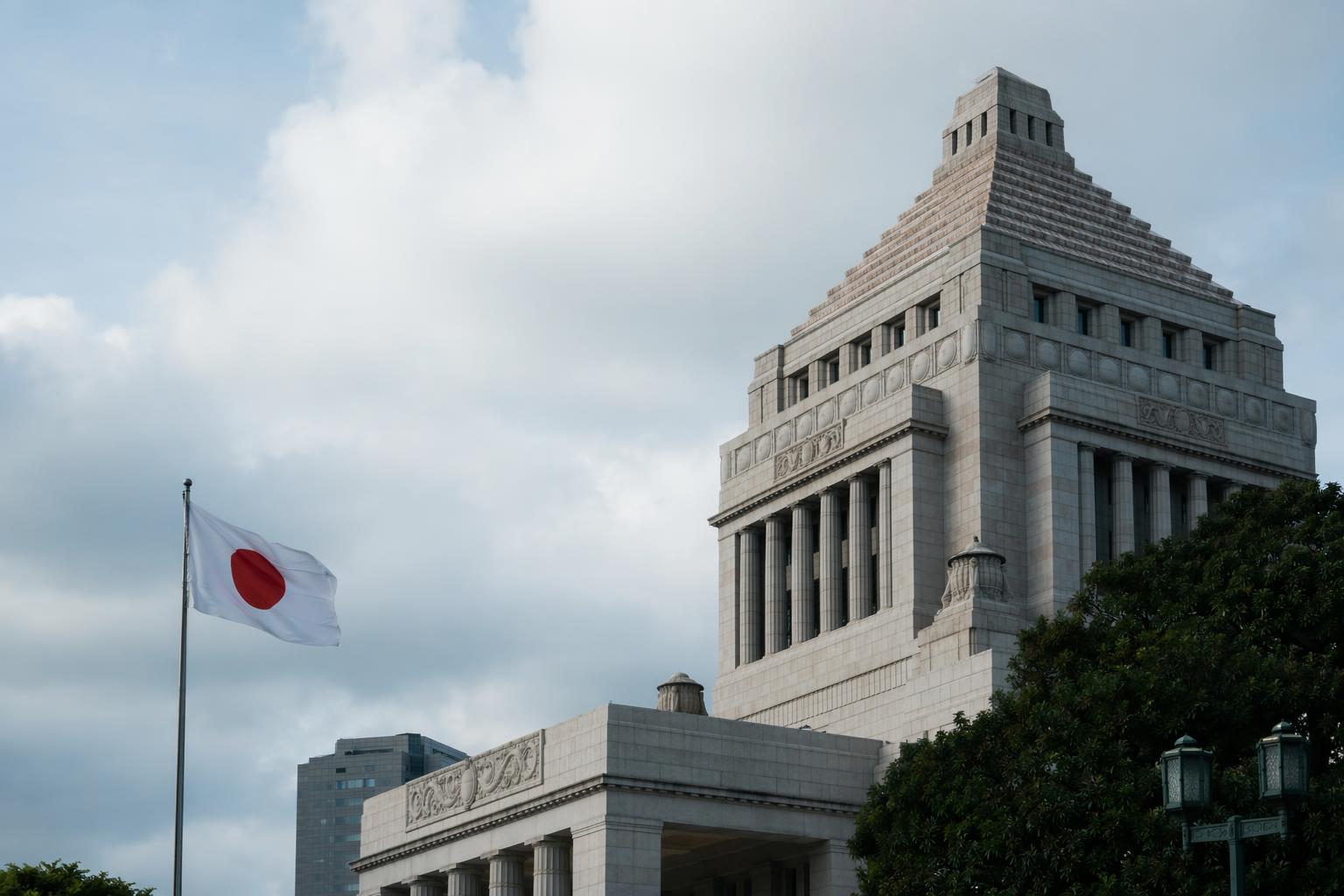
The bill criminalising desecration of the national flag passed the House of Councillors Cabinet Committee on the 16th with the support of the ruling coalition and others. It is expected to pass the upper house plenary session on the 17th and become law. In addition to damaging the national flag, acts such as livestreaming such conduct are also intended to fall under the scope of punishment.
Scope and penalties
The penalties are the same as those for damaging a foreign flag: up to two years in custody or a fine of up to 200,000 yen. The standard was defined as 'a method that would cause a person to feel extreme discomfort or disgust', but opposition parties warn the definition is vague and could chill freedom of expression.
Scope of punishment and background
Makoto Oniki of the Constitutional Democratic Party of Japan said at the upper house Cabinet Committee on the 9th that 'it is unclear what will be subject to punishment'. The ruling bloc cited examples such as tearing, burning or cutting up the flag in public, taking down a flag displayed on a government building and throwing it away, trampling on it and covering it in mud at a park or elsewhere, and damaging it in a private room before streaming the act.
By contrast, they said the bill would not cover autograph boards used to support sports teams, screening damage scenes in live-action films, outdoor burning of old flags, or news organisations reporting on the flag-damaging acts of third parties. Flags on children's lunches, as well as depictions in anime, manga, live-action films and material generated by artificial intelligence (AI), would also not be subject to penalties.
Kazuhiko Oishi, a constitutional law professor at Tsukuba University, said the line between permitted and prohibited acts remains unclear. Keiji Abe of Nippon Ishin no Kai, a sponsor of the bill, said at the House of Representatives Cabinet Committee that passage of the legislation would foster greater respect for the national flag and patriotism. Opposition parties called for the bill to be withdrawn, but Abe did not comply.
The bill had already passed the lower house on June 30 with support from the ruling coalition while all opposition parties were absent. One background factor is that Prime Minister Sanae Takaichi has long backed the measure. When the Liberal Democratic Party was in opposition in 2012, Takaichi led efforts to submit the new bill, but it later remained pending and was eventually scrapped. The National Flag and Anthem Act was enacted in 1999, giving the flag and anthem legal recognition. Supporters argue that damage to the legally defined national flag must also be addressed.
Enjoyed this article? Share it with your network!