





Takaichi to hold off on food tax cut decision this month
 2026-07-15
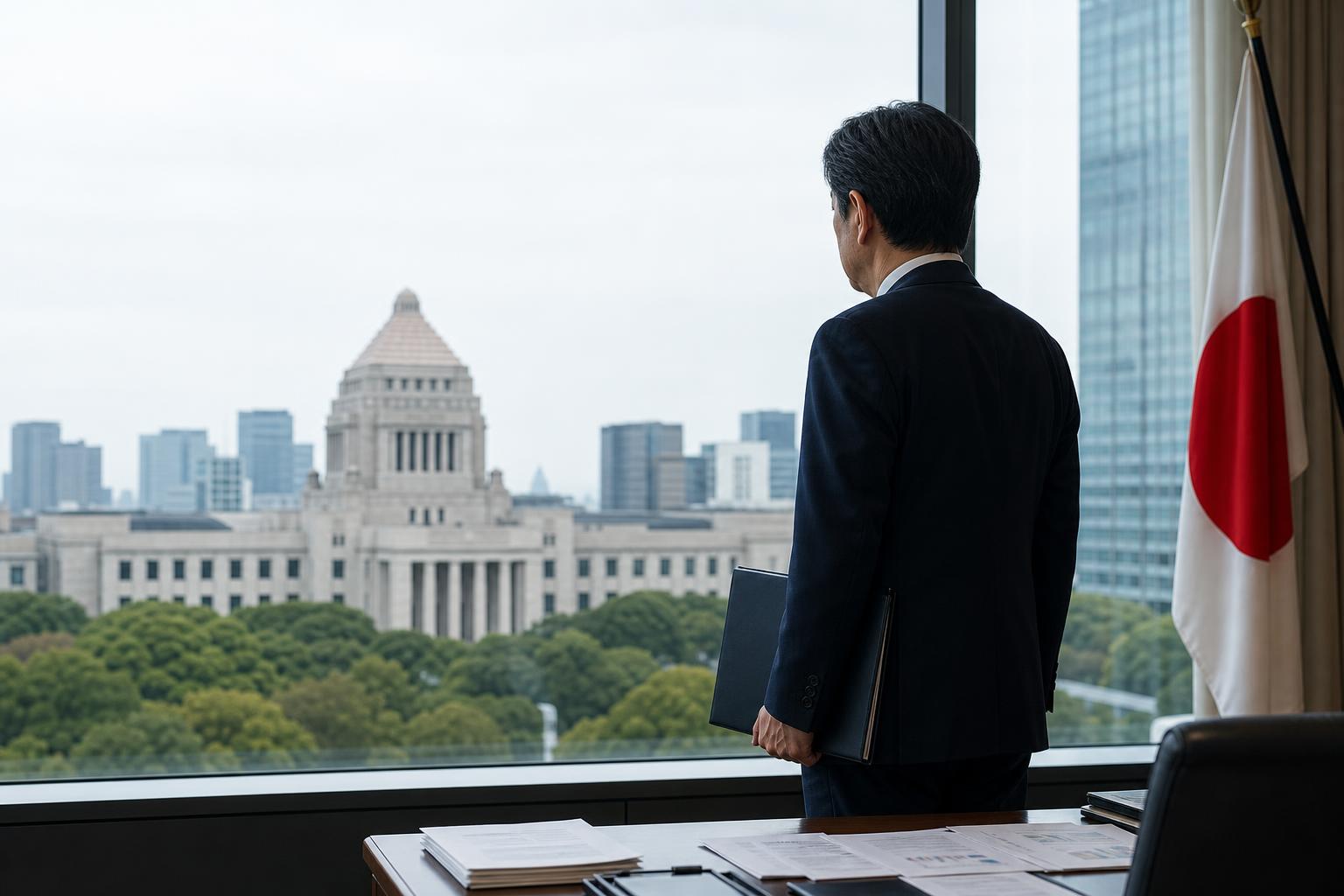
Prime Minister Sanae Takaichi said she does not plan to make a final decision this month on whether to cut the consumption tax on food items. In party leaders' debates on the 15th, she said the cross-party 'Social Security National Conference' could 'easily' wrap up its work by 'around the start of August,' signalling that she wants to continue careful discussions.
Schedule for the autumn Diet session
The government is considering a plan to lower the consumption tax rate on food items to 1% from April 2027. As it would take about six months to modify cash registers, the government is aiming to make a final decision around September or October and submit related legislation to an extraordinary autumn Diet session. The basic policy on economic and fiscal management and reform, to be compiled this month, is expected to clearly state a deadline for concluding the debate on the tax rate for food items.
In the party leaders' debate, the prime minister said she told Mitsunori Onodera, who chairs the working-level meeting and heads the Liberal Democratic Party's tax system research commission, that she wanted him to 'hold thorough discussions that many people can accept, even if it takes until the end of July.'
She had previously described the timing as 'before summer,' but indicated she wants to secure enough time for debate without derailing the schedule for implementing the tax cut.
Still, she gave no sign she would heed the opposition's call to reconsider the tax cut. Yuichiro Tamaki, head of the Democratic Party for the People, said the proposal to cut the rate to 1% had not won enough agreement among parties and asked whether there was still room for revision. In response, the prime minister said only that the debate has been entrusted to the national conference and that 'I myself will not jump to a conclusion.'
She also said, 'Food items are absolutely essential for living. As a matter of national dignity, I thought we should consider whether we could lower the tax rate when everyone is struggling.' When Tamaki asked whether the plan to restore the rate to 8% in April 2029 would remain unchanged, she replied, 'My own view that it is limited to two years has not changed.'
Opposition caution and funding debate
Junya Ogawa, leader of the Constitutional Democratic Party-led centrist reform alliance, pressed her, saying, 'You should soon decide whether you will do what you told the public you would do or not, and show the policy direction.'
While the prime minister signalled that she would watch the national conference's discussions, she also said, 'If we do not make a move somewhere, we will not make it in time from next year,' suggesting she may still keep room to make her own decision even if the ruling and opposition parties cannot reach a conclusion.
Takahiro Anno, leader of Team Mirai, said there were 'many significant downsides' and argued that the government should respond with cash handouts rather than a tax cut. If the opposition unites in opposing a tax cut, that would be a setback for the administration.
By design, the basic policy outlines the core of next year's economic and fiscal policy. If the national conference's conclusion is delayed, there are concerns that institutional design, including the debate over funding sources, will also fall behind. The chair's proposal cited subsidies, a review of tax incentives and the use of non-tax revenue as possible funding sources, but specific measures remain scarce. If the government proceeds with a tax cut while keeping funding vague, it could fuel concerns about fiscal deterioration and higher interest rates, creating risks that would weigh on the administration.
Enjoyed this article? Share it with your network!