





Takaichi Answers on Sales Tax Cut, Imperial Law Reform in Debate
 2026-07-15
Food Tax and Debate
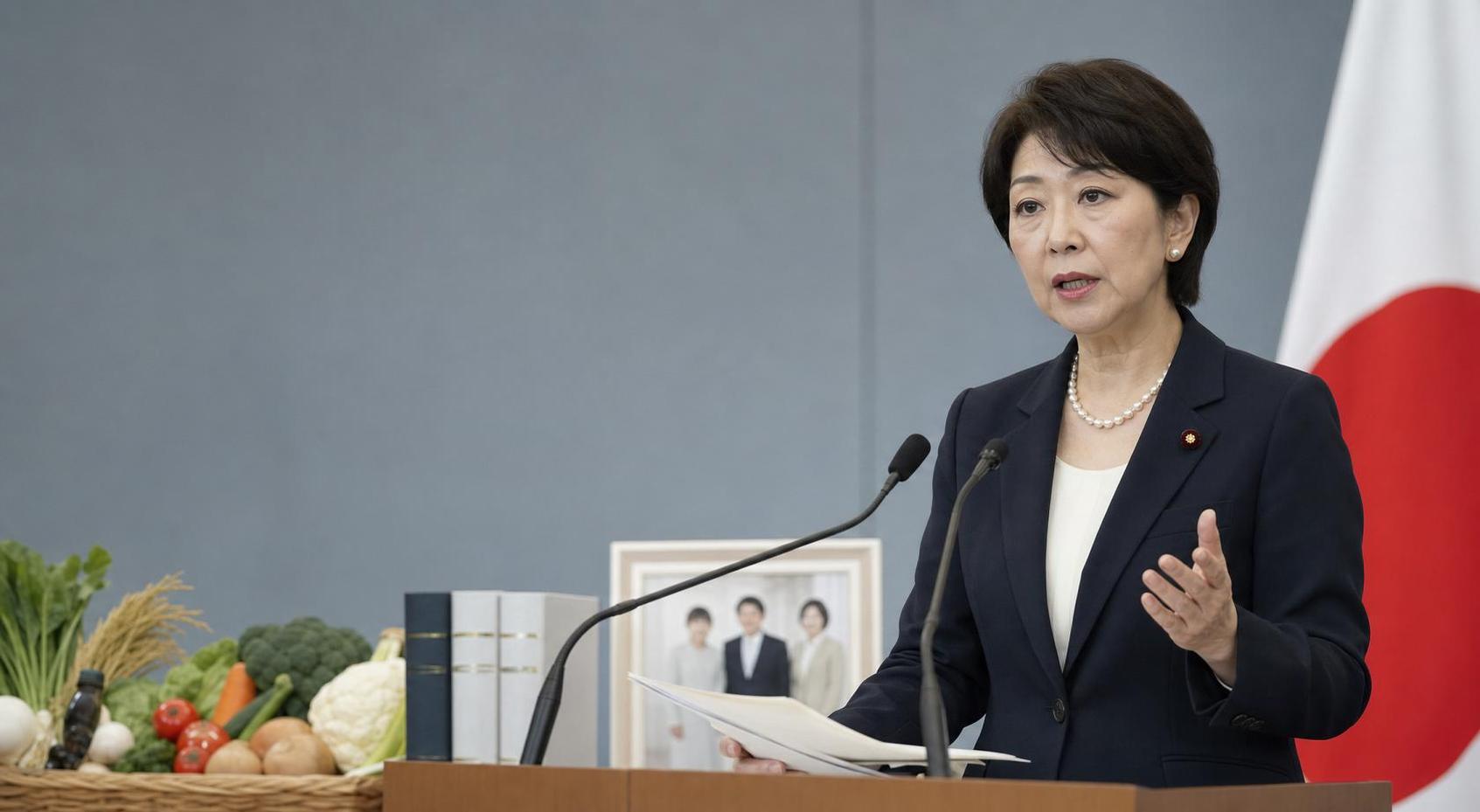
Prime Minister Sanae Takaichi, president of the ruling Liberal Democratic Party, explained her response based on the conclusions of a cross-party national social security council regarding a plan to cut the sales tax rate on food items to 1% from April 2027 at a debate with opposition party leaders on the 15th. She said she had wanted to finish the debate before summer and begin the necessary legal preparations, adding that 'if it were around the beginning of August, it would still be enough time to complete the work.'
When Yuichiro Tamaki, leader of the Democratic Party for the People, asked whether her view remained that the lower rate should apply for two years, the prime minister stressed that 'my own view has not changed.' At the same time, she added that she could not 'state this categorically' because the matter was still under discussion at the national council. Tamaki also asked about factors behind higher interest rates attributed to the so-called 'bone-deep policy shock' triggered by a draft of the government's key fiscal policy guidelines. The prime minister said she did not think a draft that had not even been approved by the cabinet was the cause of the shock, and explained that there were multiple factors, including U.S. interest rates and employment data.
Points of Contention on Imperial House Law Revision Bill
Junya Ogawa, leader of the Center Reform Union, referred to the split in opinion over the bill to revise the Imperial House Law and said it was 'extremely unfortunate for both the public and the Imperial family.' In response, the prime minister said discussions had been compiled as the consensus of the legislature under the leadership of the speakers and vice speakers of both houses of the Diet, and that the amendment bill was drafted on that basis.
Shunichi Mizuoka, leader of the Constitutional Democratic Party of Japan, said there were 'clear objections' and questioned whether it could truly be called the consensus of the legislature. The prime minister countered that if a proposal were deemed not to represent consensus simply because one lawmaker opposed it, 'almost nothing would be able to move forward.'
Foreign Exchange and Economic Policy
Sohei Kamiya, leader of the Sanseito party, raised the issue of a 'spy prevention law' and asked about views on communications interception. The prime minister replied that 'the secrecy of communications is one of the basic human rights guaranteed by the constitution. Any consideration of a system must be handled with caution.'
Toshiko Takeya, leader of Komeito, highlighted foreign exchange trends and voiced concern that the value of Japan's currency continued to fall sharply. The prime minister said, 'I do not know whether this is the Takaichi yen weakness or not, but that is not the point,' and argued that it is important to lift the potential growth rate and build a strong economy.
Takahiro Yasuno, leader of Team Mirai, opposed a sales tax cut, and the prime minister responded that she would not push ahead simply because she personally wanted to do it, but would respect 'the conclusion' of the national council. When Yasuno cited the saying that 'a gentleman can change his mind' and called for a decision with an eye on the future, the prime minister said, 'We will continue deliberating until the very last moment and think about the best course of action right up to the point just before implementation.'
Enjoyed this article? Share it with your network!