





Oil climbs above $81 on new Hormuz closure threat
 2026-07-14
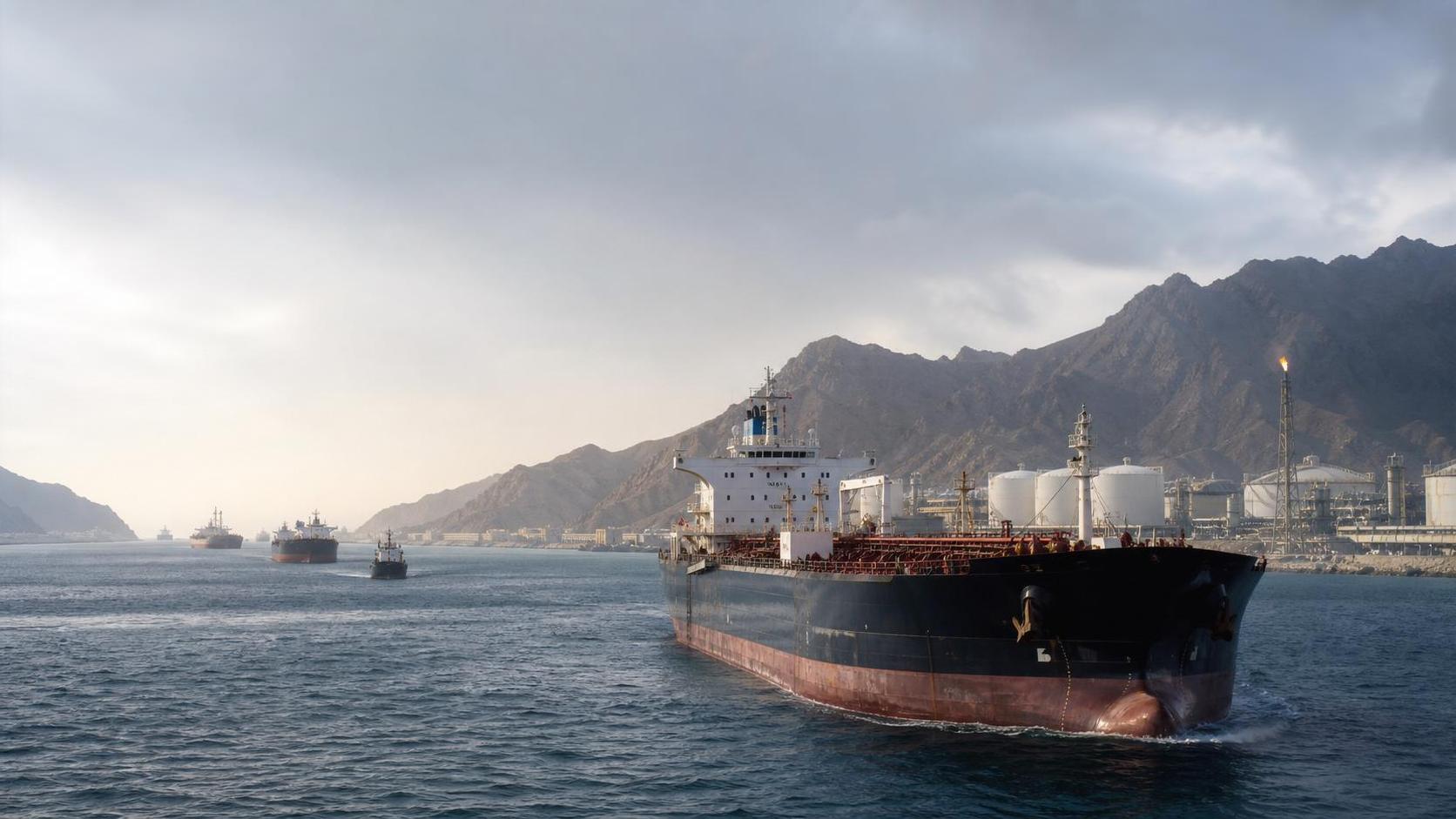
Oil rises on renewed closure of the Strait of Hormuz
The United States and Iran both said the Strait of Hormuz would be reclosed, dimming market hopes for a normalisation in supplies of Middle East energy. WTI, the global benchmark for crude, briefly touched $81 a barrel on the 14th, the highest in a month.
US President Donald Trump said on the 13th that he was reinstating a maritime blockade on Iran and would charge ships passing through the Strait of Hormuz for security protection. WTI front-month August futures jumped from around $75 in US trading to above $78 and continued to test higher levels in Asian trading on the 14th.
It was the first time WTI had moved into the $80 range since the US and Iran signed a memorandum on June 17. On expectations of supply normalisation, it had fallen to around $67 on July 2, the lowest since February 27, just before the clash. From there, it has risen 20%, underscoring a sharp reversal in the market.
Tetsu Yoshida, commodity analyst at Rakuten Securities Economic Research Institute, said of the moves by the United States and Iran: 'Reclosure does not simply mean a return to the situation before the memorandum was signed. With the Strait of Hormuz, which had been set to remain open for 60 days for talks aimed at ending the fighting, now reclosed, the market has again focused on how difficult it will be to reach an agreement.'
The United States had already announced on the 7th that it was resuming sanctions on Iranian crude. On the 13th, it went further, declaring a maritime blockade that would tighten export restrictions.
Supply tightens and gas prices surge
According to European research firm Kepler, crude exports from Iran recovered to 1.54 million barrels per day in the week of June 6 to 12, the highest level in three months. Since mid-April, when the United States first imposed sanctions-related restrictions on Iran, exports had fallen, and in May there were weeks when they dropped to zero.
If Iran's exports fall again under a renewed blockade, global crude supply and demand are likely to tighten. There is also lingering concern that Iran, facing greater difficulty exporting, could step up its retaliation and intensify armed clashes.
On the issue of collecting fees from vessels passing through the Strait of Hormuz, many view Trump's suggested charge equivalent to 20% of transported cargo as difficult to realise. Still, as both the United States and Iran sought control, the move was seen as fuel for escalating tensions.
Clear gaps emerged between the claims of the United States and Iran, and the optimism that had spread through the market after the memorandum agreement faded. Some have also questioned the memorandum's effectiveness. Tsuyoshi Ueno, chief economist at Nissei Basic Research Institute, said: 'If the blockade continues for a long time, concern over falling global crude inventories will return. It will be important to see whether signs of resumed talks emerge within one to two weeks.'
European gas prices also surged. The Dutch TTF front-month contract, a benchmark, briefly rose to 51.50 euros per megawatt hour on the 13th, up 5.6% from the previous week's close. That was the highest level in about two months, since May 20, before the US-Iran memorandum deal.
According to Kepler, no LNG carriers have passed through the Strait of Hormuz since the 12th, when Iran attacked three merchant vessels and military clashes followed between the United States and Iran. Go Katayama, principal analyst at Kepler, said: 'Heightened tension in the Middle East and concern over LNG supply risks around the Strait of Hormuz are the biggest drivers behind the rise in gas prices.'
Enjoyed this article? Share it with your network!