





Rising oil prices and higher U.S. yields weigh on Nikkei
 2026-07-14
Rising oil prices and rate-hike bets weigh on market
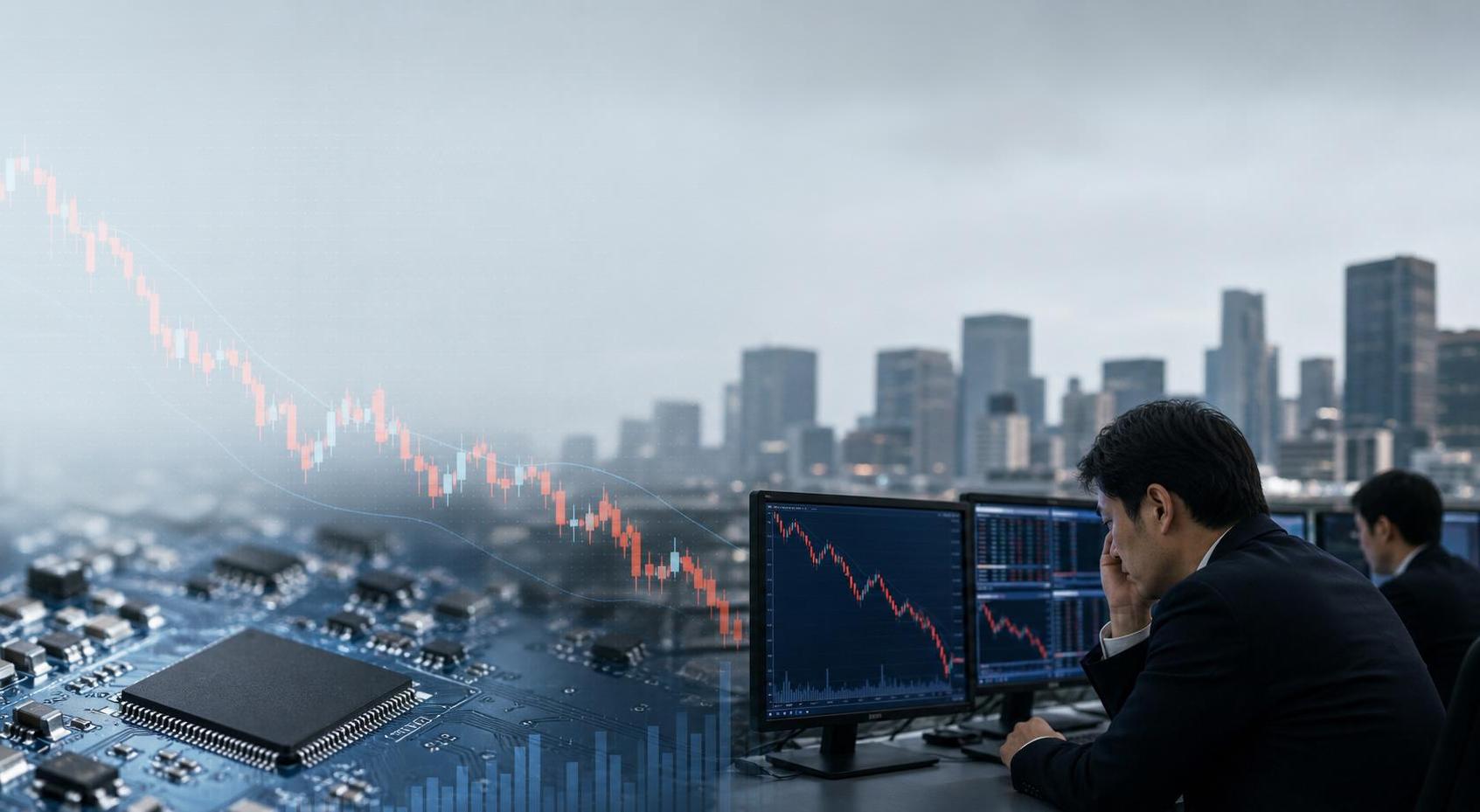
In the Tokyo stock market on the morning of the 14th, the Nikkei average fell for a second straight session, ending trading down 564.37 yen, or 0.84%, from the previous day at 66,678.36. Selling took the lead on higher U.S. oil prices and weaker U.S. semiconductor stocks, while the market was also pressured by caution over rising tensions in the Middle East.
Selling hits semiconductors as rotational buying continues
The Nikkei briefly fell by more than 900 yen and, for a second day in a row, slipped below the key 67,000 level. The backdrop was U.S. President Donald Trump’s announcement on social media on the 13th that he would resume the maritime blockade on Iran that was lifted in June. He said vessels passing through the Strait of Hormuz would be charged an amount equivalent to 20% of their cargo value in exchange for security. On concern over a disruption to crude supplies, U.S. crude futures rose in the morning of the 14th Japan time, at one point climbing into the 80-dollar range per barrel.
In addition, expectations of higher U.S. interest rates also weighed on the market. In a speech on the 13th, Federal Reserve Governor Christopher Waller said that if the inflation data to be released this week show an upside surprise, the FOMC 'will need to consider raising rates in the near future.' U.S. long-term yields rose to 4.62% in response, and with the June U.S. consumer price index, or CPI, due out on the night of the 14th Japan time, concerns over faster inflation intensified.
Higher U.S. long-term yields tend to be a headwind for semiconductor-related stocks with high price-to-earnings ratios. In the U.S. stock market on the 13th, AMD and Broadcom were sold, and the Philadelphia Semiconductor Index, or SOX, fell by nearly 5%. Following that trend, selling also spread to Tokyo Electron and Ibiden in the Tokyo market on the 14th, weighing on the Nikkei.
Market participants said the simultaneous rise in U.S. crude prices and U.S. yields triggered short-term selling in AI- and semiconductor-related stocks. Shoichi Arisawa, fellow at the Investment Research Department of IwaiCosmo Securities, said the poor timing prompted selling in domestic AI- and semiconductor-related shares.
The market later recovered somewhat. Sentiment improved slightly after South Korea's benchmark KOSPI index rebounded to around 7,000 in trading on the 14th, and Kioxia Holdings, a major semiconductor memory maker, also briefly turned higher after opening lower. Views that memory supply and demand for AI and data centers will remain tight also made it easier for dip buying to emerge.
The Tokyo Stock Price Index, or TOPIX, stood out for trading in positive territory, and the view spread that the overall market was not turning pessimistic. At the midday break, gainers on the Tokyo Prime market numbered 1,036, while decliners totaled 485. Jun Kitazawa, deputy head of the commodities division's investment information section at Miki Securities, said the large number of gainers showed that rotational buying continued between AI- and semiconductor-related shares and other stocks, adding that money was not flowing out of the stock market.
Enjoyed this article? Share it with your network!