





Imperial House Law revision bill clears lower house as centrist reform bloc backs it
 2026-07-10
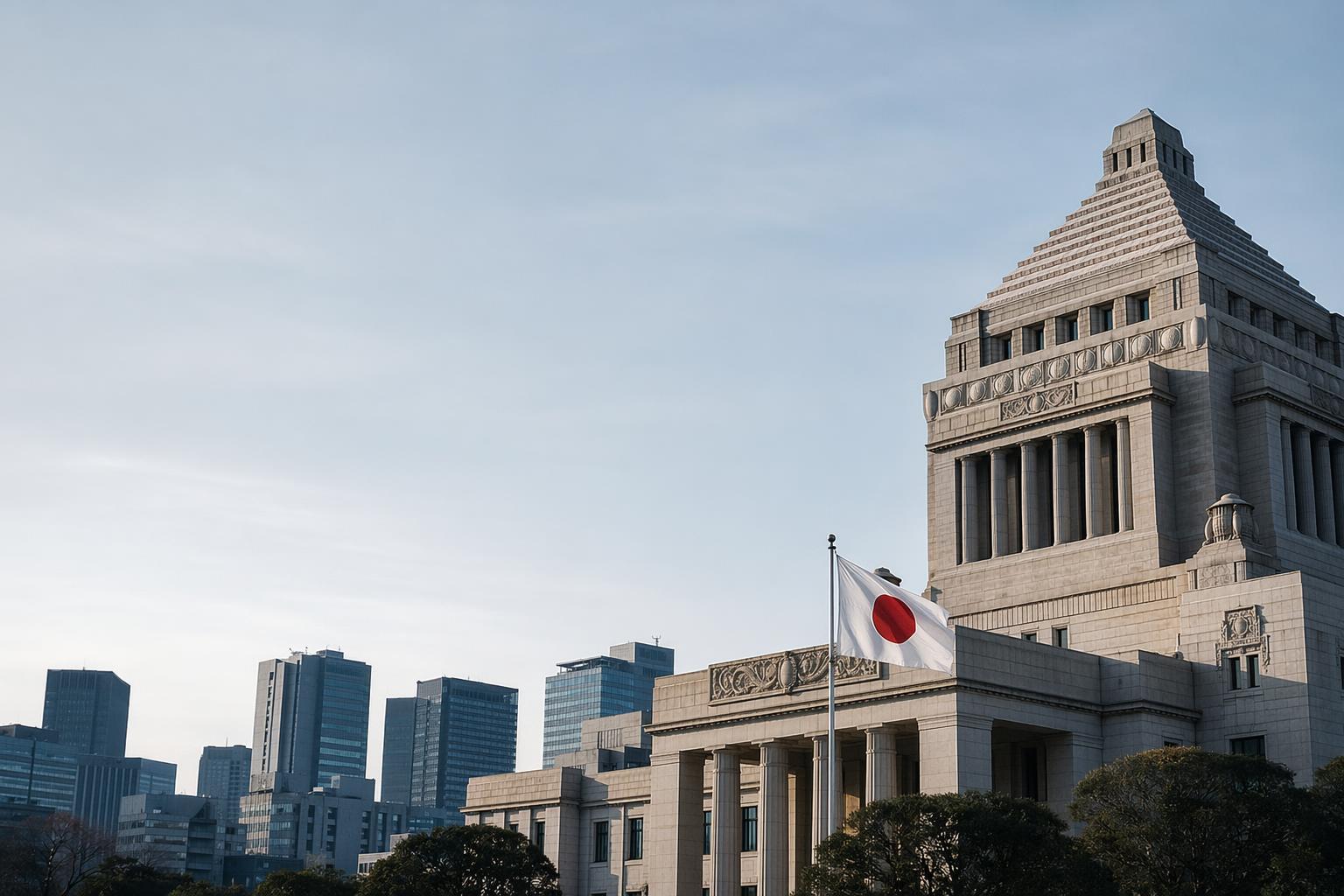
The Imperial House Law revision bill aimed at securing the number of imperial family members passed the lower house on the 10th, cleared by a majority in favor from the ruling coalition and others at a plenary session of the House of Representatives. The centrist reform bloc, which had been withholding its position, switched to support, while the Constitutional Democratic Party of Japan and others also backed the bill, moving it a step closer to enactment in the current session of parliament.
Status of female imperial family members and adoption from former imperial branches
The bill has two main pillars: a framework that would allow female imperial family members to remain in the imperial family after marriage, and a framework to adopt male descendants from former imperial branches. The government compiled the bill based on the 'consensus of the legislature' reached at a plenary meeting of all 13 parties and groups by the speakers and deputy speakers of both houses.
However, the provision granting succession rights if a male child is born to an adopted child is not included in the 'consensus of the legislature'. Chief Cabinet Secretary Minoru Kihara said at a House of Representatives Rules and Administration Committee meeting on the 10th that the revision 'does not preempt or constrain the legislature's future consideration of the system of imperial succession.'
Yoshimasa Nakano, acting secretary-general of the centrist reform bloc, questioned whether the point that a male child of an adopted child would have succession rights had been discussed at the plenary meeting. The party had asked that, as a condition for supporting the vote, a new item be added to the supplementary resolution calling for a prompt review of whether to include a provision giving succession rights to a male child of an adopted child. It had said it would make its final decision based on whether changes were made and on the government's response.
Centrist reform bloc backs bill
Junya Ogawa, leader of the centrist reform bloc, said at a news conference on the 10th that the party would support the bill. Referring to the response at the Rules and Administration Committee, he said, 'We judged that we had secured the same intent. We want to avoid turning this into a partisan conflict. It is a painful decision, but we will support it.'
On the same day, the House of Representatives Rules and Administration Committee also adopted a supplementary resolution calling for consideration of the environment surrounding male descendants from former imperial branches who were adopted, among other factors, in any future review. It said that, following passage of the bill, work would continue on measures for stable imperial succession.
Focus in the upper house
During upper house deliberations next week, the main opposition Constitutional Democratic Party of Japan is expected to take a stance against the bill. The party says the measure is 'not the consensus of the legislature' and plans to submit an amendment to the bill itself. If the amendment is rejected, it is expected to oppose the bill. Komeito, which is in step with the centrist reform bloc, is likely to vote in favor.
When the special law allowing the emperor's abdication was enacted in 2017, all parties and groups except the then Liberal Party supported it in a plenary session of the House of Councillors. The ruling and opposition camps have continued discussions aimed at reaching bipartisan agreement on securing the number of imperial family members as well.
The ruling coalition has prioritized passage in the current session and has maintained that support from all parties and groups is not essential. House Speaker Eikou Mori said in May at a plenary meeting attended by the speakers and deputy speakers of both houses and 13 ruling and opposition parties and groups that 'it is impossible to gain the support of all parties.'
Enjoyed this article? Share it with your network!