





US-Iran strikes continue, with no clear path to normal traffic in Strait of Hormuz
 2026-07-09
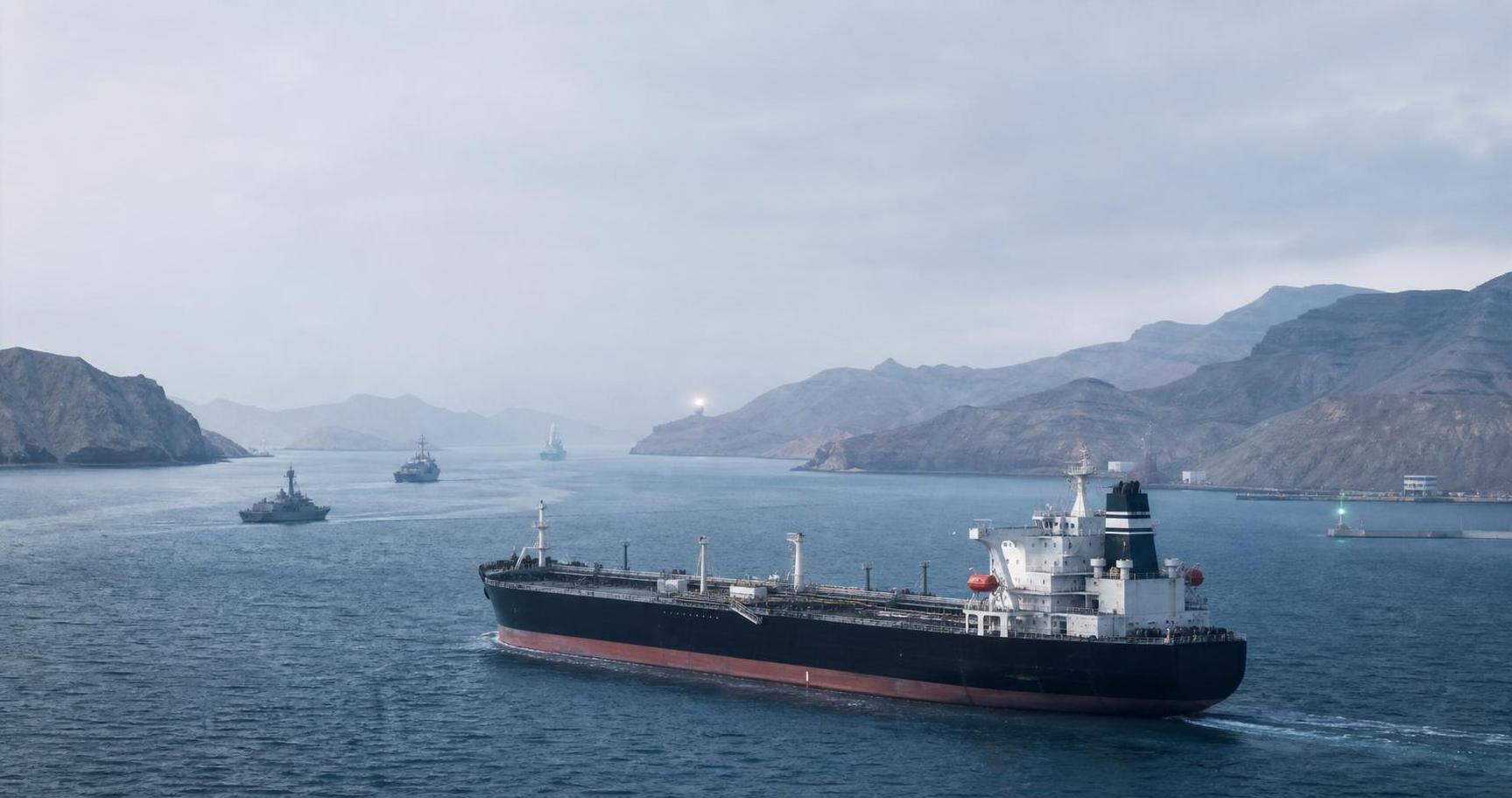
The exchange of attacks between the US and Iran has intensified again, keeping prospects for normal shipping in the Strait of Hormuz unclear. Iran's Revolutionary Guard said on June 9 that it had fired 10 ballistic missiles at a US military base in Jordan, Iranian media reported. The strike appeared to be retaliation for the US attack on June 8, and there is no certainty over when the tit-for-tat actions will end.
Dispute over shipping routes
One factor prolonging the cycle of retaliation is the existence of two shipping lanes: a northern route closer to Iran and a southern route along the Omani coast. The Wall Street Journal reported on June 9 that US military support for merchant vessels using the southern route had drawn a backlash from Iran.
After the US and Iran exchanged a memorandum, the International Maritime Organization said it had established an escape corridor in the Strait of Hormuz in coordination with Oman. Many vessels shifted toward the southern route closer to Oman's coast, prompting strong opposition from the Revolutionary Guard and others urging ships to use the northern route.
The memorandum is a 60-day temporary measure and calls for safe passage through the Strait of Hormuz. However, details such as who would control navigation and how remain unclear. It also leaves room for Iran to argue that it has authority over the strait.
According to ship tracking website MarineTraffic, vessels were seen using both the northern and southern routes in the Strait of Hormuz on June 6. However, near the southern route on June 7, Iran attacked three vessels, including a tanker from Qatar.
The WSJ reported that the US military had in recent weeks helped vessels travel discreetly along the southern route. Ships sailed at night with their automatic identification systems, or AIS, switched off, while US naval vessels contacted shipowners in real time by radio. At least 125 vessels passed through the strait this way, prompting Iranian anger. The Persian Gulf Strait Authority has warned that it does not guarantee the safety of ships outside designated routes, and three vessels were in fact targeted.
On June 7, vessels attempting to pass through the southern route were warned by radio from the Iranian side that 'our missiles and drones are ready to attack.' According to MarineTraffic, the number of ships using the southern route fell on June 7. On June 8, the US military carried out strikes on Iran for a second straight day, and from evening into the early hours local time many vessels were also seen switching off AIS to hide their presence.
Recovery outlook dims
Vessels using the southern route along the Omani coast still face attack risks. Iran's parliament speaker Mohammad Bagher Ghalibaf posted on X, formerly Twitter, on June 9: 'The US has not yet learned. The Strait of Hormuz will be opened by Iran's arrangements, not by US threats.'
Axios, citing a US official, reported that depending on whether Iran continues attacks on merchant ships, the exchange could end in one or two days, while it could also last a month. The official said there is a view inside the White House that even if the conflict escalates, it may not immediately trigger a surge in oil prices because hundreds of tankers have left the Strait of Hormuz over the past few weeks.
European research firm Kpler said in a post on X on June 9 that 'the outlook for the Strait of Hormuz has become more fragile.' It said oil tankers continue to pass through, but attacks on merchant vessels and retaliatory US action are eroding hopes for a return to normal.
Enjoyed this article? Share it with your network!