





U.S. launches more strikes over Strait of Hormuz; Iran hints at renewed closure
 2026-07-09
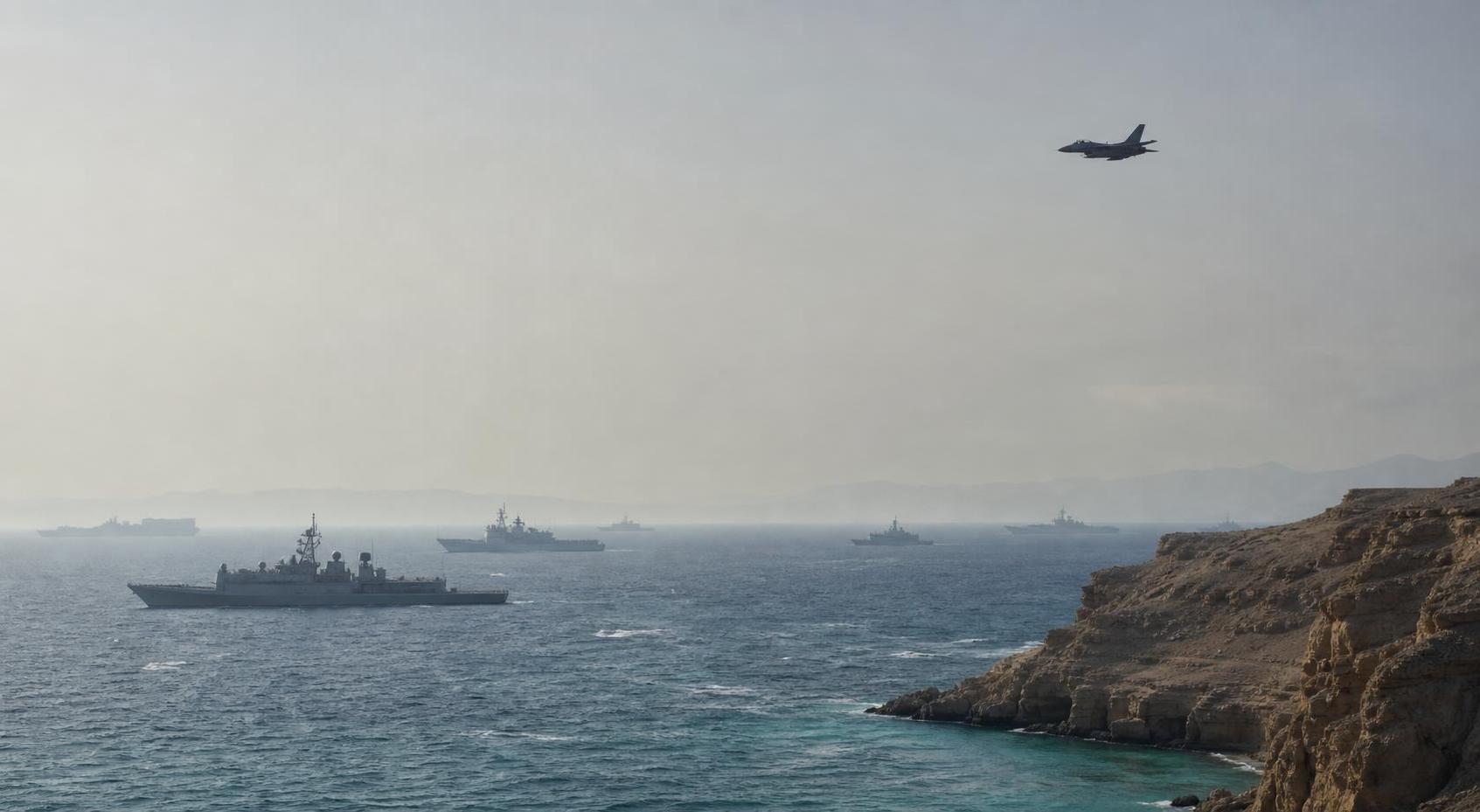
Back-to-back airstrikes focus on attacks on merchant ships
U.S. Central Command said on SNS on the 8th that it had begun additional airstrikes against Iran. It said the aim was to reduce Iran's ability to threaten freedom of navigation in the Strait of Hormuz. The strikes came for a second straight day and underscored Washington's view that Iran is responsible for attacks on merchant vessels. On the Iranian side, signs it may close the strait again have further intensified the confrontation.
U.S. president warns of retaliation
After the airstrikes began, U.S. President Donald Trump posted on his SNS account, 'If Iran attacks more merchant ships, worse things will happen.' A U.S. official told Reuters that the strikes on the 8th would be more intense than those the previous day.
Speaking at a press conference in Ankara, the capital of Turkey, on the 8th, Trump said back-to-back attacks 'may happen.' He said any attack on merchant ships would be met with '10 times the force' and added that if fighting escalated, it would be 'over in no time.'
U.S. media reported on the 7th that Iran had attacked merchant vessels transiting the Oman Gulf side of the Strait of Hormuz. In response, U.S. Central Command carried out retaliatory strikes the same day against Iranian small boats and air defense systems, among other targets. The two countries have continued trading attacks.
Trump said, 'They don't know how to make a deal. They're shooting up ships in the middle of the night. I don't like that,' and criticized Iran's negotiating stance, saying, 'They're a little crazy. A little nuts.'
On the objective of the military actions, he stressed that it was to 'keep Iran from having nuclear weapons.' Under the June memorandum to end fighting, the two countries still remain far apart on their positions over the nuclear issue, and after weeks of exchanges, negotiations toward a final agreement appear to have made no progress.
Earlier, in a meeting with Ukrainian President Volodymyr Zelensky, Trump suggested attacks on Iranian civilian infrastructure such as bridges and power plants. 'We'll destroy it if we have to. I don't want to do it,' he said.
He also said the Iranian port blockade measures suspended under the memorandum could 'resume.' He indicated the measures would apply only to Iranian vessels. The United States has said such blockades would halt Iran's oil exports and damage its economy.
Iran hints at renewed closure and tit-for-tat response
Meanwhile, Iran's state-run English-language Press TV reported on the 8th, citing informed sources, that Iran would close the Strait of Hormuz again if the United States carried out further attacks.
According to the report, Iran is prepared to completely close the strait if attacked. It also declared a 'tit-for-tat' response, saying that for every one Iranian site attacked, it would strike at least two sites on the U.S. side.
Iran has no intention of backing away from its position on managing the Strait of Hormuz and says only routes designated by Iran will be allowed. Since at least early April, it has consistently insisted that transit outside those designated routes will not be permitted.
In early April, the Revolutionary Guard published a map designating nearly the southern half of the Strait of Hormuz as a 'danger zone' in which all transit is banned. It also called on vessels using the northern route designated by Iran to obtain permission.
It has also claimed the right to collect a navigation 'service fee' and set up the 'Persian Gulf Strait Authority' to manage the Strait of Hormuz. Vessels seeking passage are also required to submit detailed applications listing cargo, destination, owner and other information.
Iran is seen as aiming to collect de facto transit fees in the future, and it is highly likely to continue resisting any U.S. moves that threaten that goal.
Enjoyed this article? Share it with your network!