





Iran Attacks Merchant Ship in Strait of Hormuz as Dispute Continues
 2026-07-08
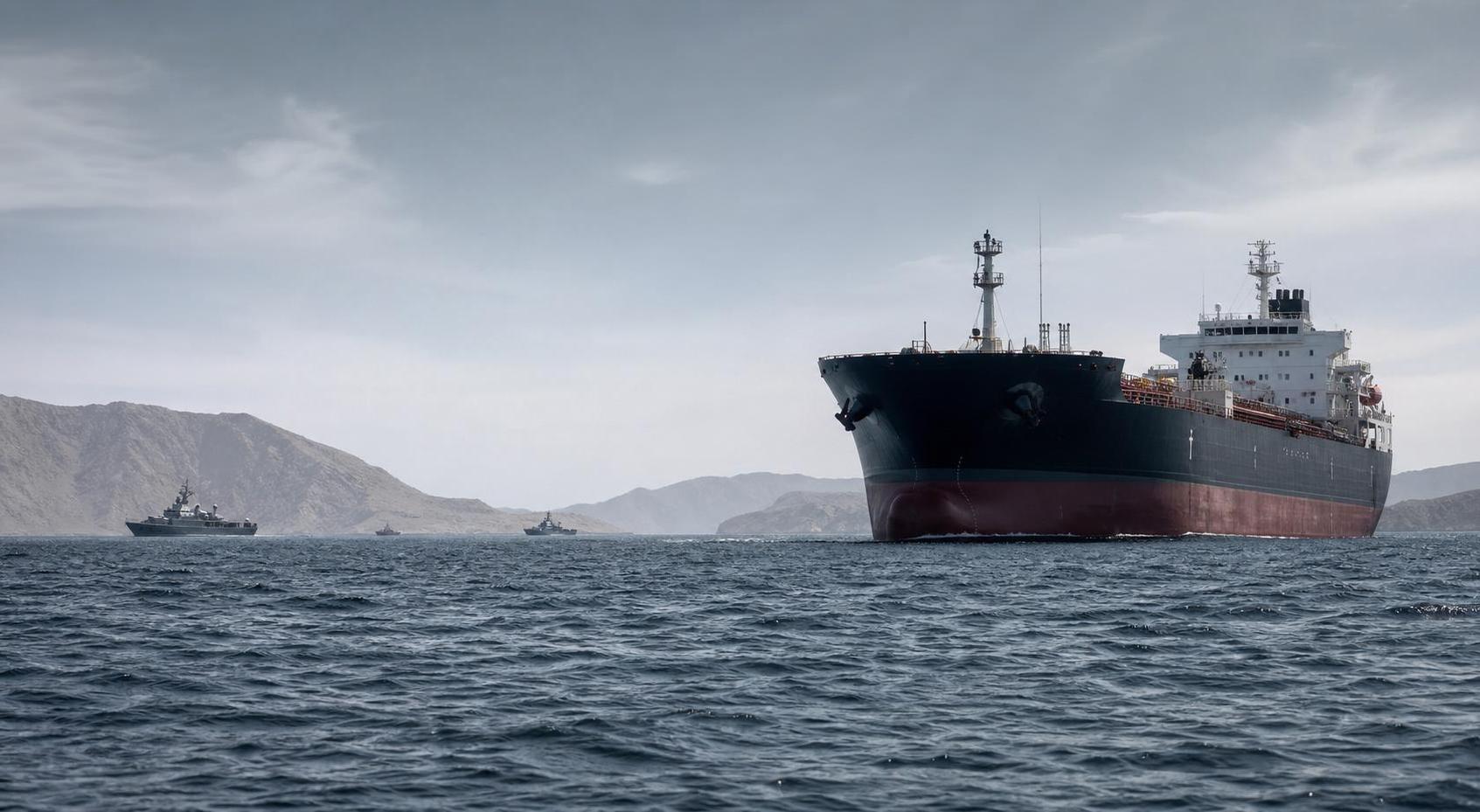
The Islamic Revolutionary Guard Corps attacked a merchant ship with missiles on the 6th as it tried to pass through the Strait of Hormuz. The United States carried out retaliatory strikes on Iran over a ceasefire violation and reinstated a ban on Iranian crude oil. Behind the clash is a difference in how the two sides view the 'opening' of the strait.
Memorandum and transit conditions
The United States and Iran signed a memorandum on June 17 aimed at ending the fighting. The 14-point memorandum included the 'opening of the Strait of Hormuz' and stipulated that both sides would lift maritime blockades and ensure the free and safe passage of merchant ships for 60 days.
After signing, U.S. President Donald Trump said the strait could be transited 'freely and at no cost.' Iran, however, attached conditions, notifying vessels passing through the strait that they must obtain its permission and use the northern route designated by Iran.
Tighter control and widening conflict
The 'Persian Gulf Strait Authority,' set up by Iran to manage the Strait of Hormuz, requires vessels seeking passage to submit detailed applications listing cargo, destination, owner and other information. It is seen as an attempt to make its control of the strait a fait accompli.
After the memorandum was signed, Oman said it had set up an escape corridor in the Strait of Hormuz in coordination with the International Maritime Organization (IMO). In response, many vessels trapped in the Persian Gulf headed for the southern route on the Omani side of the strait.
The Islamic Revolutionary Guard Corps pushed back, saying that a new route had been announced without prior notice or coordination, and in a statement said it was 'unacceptable and extremely dangerous.'
On June 25, a Singapore-flagged cargo ship trying to sail the southern route came under attack. Reuters reported, citing U.S. officials, that Iran was responsible.
The merchant ship attacked by the Revolutionary Guard Corps on July 6 is also believed to have been using the southern route. The move is seen as intended to show that Iran will not yield effective control of the strait and to strengthen its hand in talks with the United States. Traffic through the Strait of Hormuz had been recovering, but if the risk of Iranian attacks continues, it could become clogged again.
Enjoyed this article? Share it with your network!