





Nikkei Extends Drop on Middle East Tensions, Cyclical Stocks Weigh
 2026-07-08
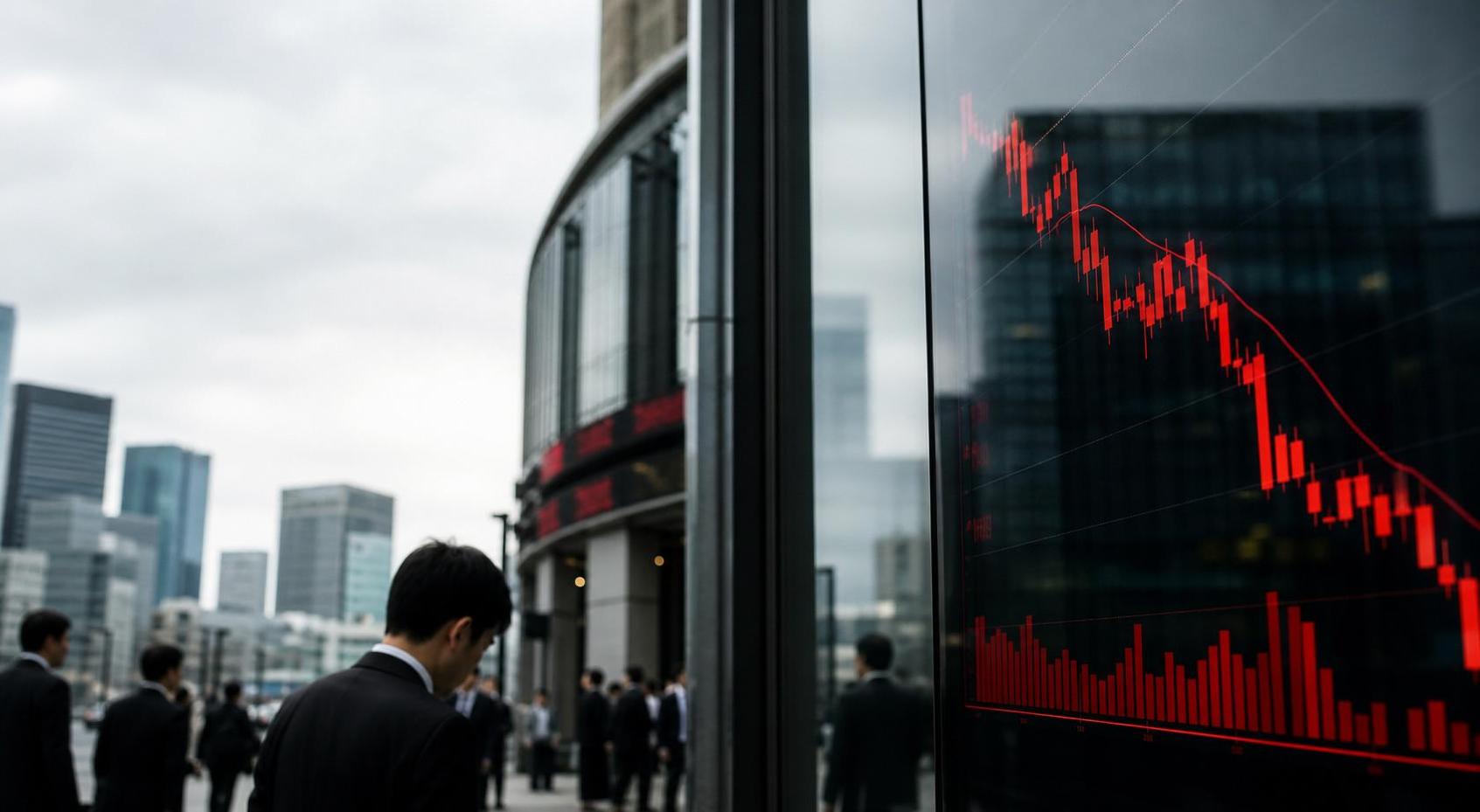
Renewed Middle East tensions weigh on market
In Tokyo stock trading on the morning of the 8th, the Nikkei Stock Average closed at 67,758, down 498 yen from the previous day. Renewed tensions in the Middle East prompted selling of cyclical stocks, led by automakers. By contrast, buying in defensive stocks such as telecoms and utilities helped support the overall market.
After the open, the Nikkei at one point fell more than 1,100 yen to 67,122, its lowest intraday level since June 15. The trigger was reports that tensions between the United States and Iran had risen again, after the US Central Command said on the 7th that it had launched a 'powerful attack' on Iran. Even as talks continued toward ending the fighting, Iran was seen as retaliating for an attack on merchant ships passing through the Strait of Hormuz.
Higher oil prices deepen caution
Expectations that it will take time for normal conditions to return to the Strait of Hormuz put upward pressure on oil prices. The front-month August WTI contract at one point climbed into the high $72 per barrel range, hitting a two-week high for a near-term contract. It was more than 3% above the settlement price on the 7th.
Along with worsening US-Iran relations, concern that higher oil prices would push up inflation dampened investor sentiment. In Tokyo, automaker shares such as Toyota Motor and Honda stood out on the downside, while selling also hit Hitachi and Komatsu. Masahiro Yamaguchi, head of investment research at SMBC Trust Bank, said, 'A move to temporarily unload cyclical stocks spread.' Material costs tied to unrest in the Middle East were also a concern, and construction stocks such as Taisei were also hit hard.
In QUICK's July short-term economic survey released on the 8th, covering responses collected from June 24 to July 3, 70% of companies across all industries said that regarding the impact on business from progress in US-Iran talks, 'cost increases and other pressures continue, and we do not feel any improvement.' With oil prices rising again, concerns are likely to grow that higher inflation will hurt corporate activity and consumption. Long-term yields at one point rose to 2.865% on the 8th, reaching levels not seen since 1996.
Defensive stocks lend support
Even so, the Nikkei narrowed its losses after selling in blue-chip stocks eased, and at one point it even rose by a little over 100 yen. Utility stocks such as Chubu Electric Power and Tokyo Gas, as well as telecom stocks including KDDI, were bought and helped support the market. Bank shares also stood out on the upside after the rise in interest rates.
In recent days, the stock market has seen profit-taking in AI and semiconductor shares, while funds have rotated into lagging names. The gains in defensive stocks on the 8th also showed that this kind of sector rotation is continuing. Hitoshi Asaoka, chief strategist at Asset Management One, said that 'funds are not leaving the stock market in a major way.'
There is also a view in the market that expectations for upside in earnings forecasts will strengthen through the April-June 2026 results that major companies will announce in the future. Ikuo Mitsui, fund manager in the investment advisory division at Aizawa Securities, said those expectations are also supporting share prices. The Nikkei may remain sensitive to Middle East developments in the near term, but many market participants still do not see the broader bullish outlook for Japanese stocks as broken.
Enjoyed this article? Share it with your network!