





Prolonged Yen Weakness, Slowing Dollar Raise Post-Intervention Reversal Focus
 2026-07-07
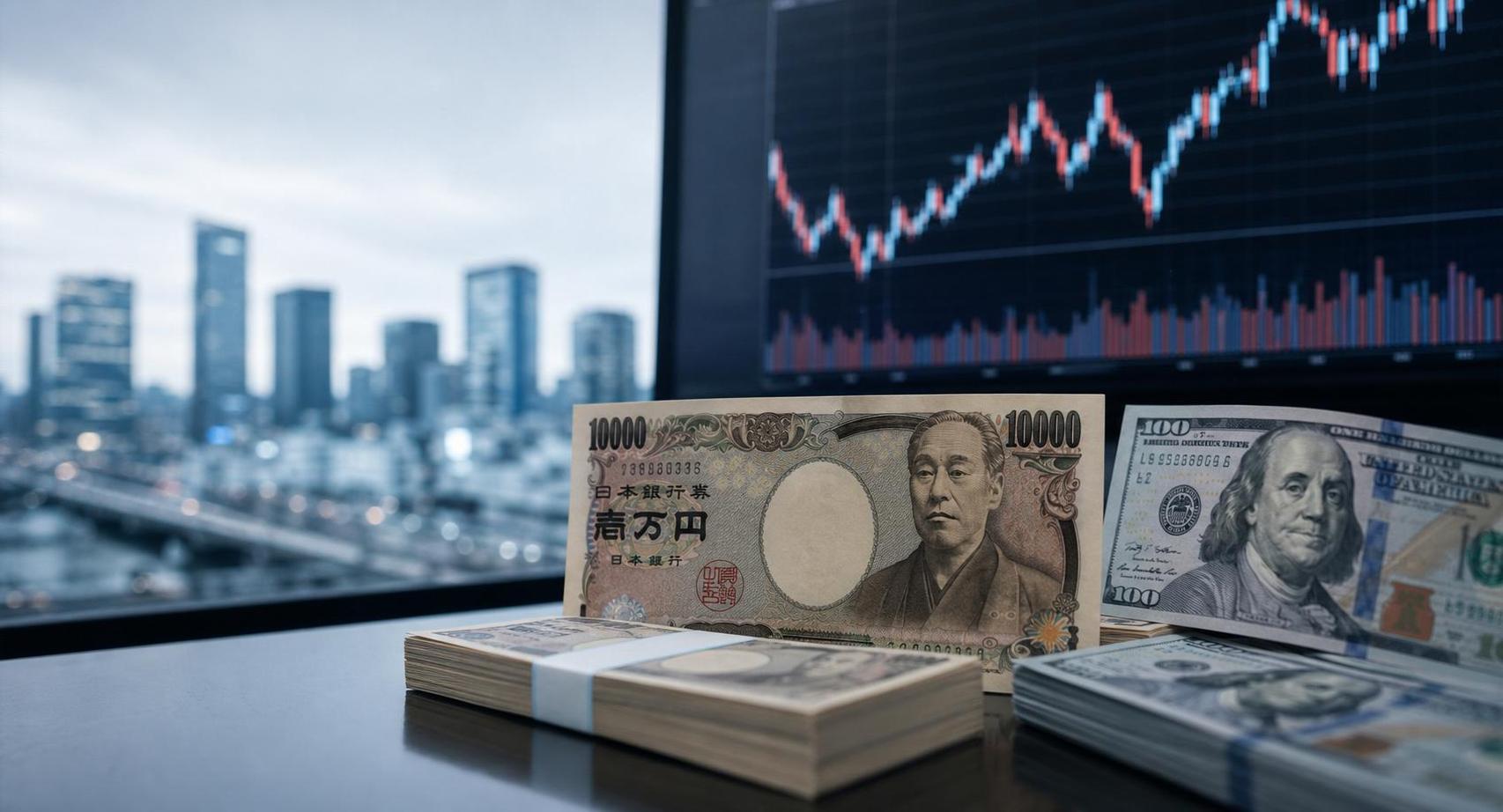
Yen trades in the upper 161s
The yen in the foreign exchange market against the dollar remains stuck near its weakest level in 39 and a half years. Still, with the dollar’s rise pausing for now, some are beginning to compare the move with the roughly 20-yen rebound in the exchange rate after the yen-buying intervention in July 2024.
In Tokyo trading on the morning of the 7th, the yen moved mainly in the upper 161-yen range per dollar. Last week, it hit the 162.80-yen area, its weakest since December 1986, but the yen remains at a weak level.
Dollar slowdown and short-term positions
There are also signs of change in the dollar’s trend. The dollar index, which shows the currency’s overall strength against major peers, has stalled recently after peaking at 101.8 on June 24.
Chair Powell of the U.S. Federal Reserve said on the 1st at a meeting hosted by the European Central Bank that 'inflation risks have declined.' The June U.S. employment report released on the 2nd also missed market expectations for nonfarm payrolls and other measures, easing expectations for an early rate hike by the Fed. The unwind of dollar buying that had continued until now is gathering pace.
A foreign exchange trader at a domestic bank said the situation is 'exactly the same as two years ago.' In 2024, the yen fell sharply after the Bank of Japan’s April meeting, prompting the government and the BOJ to step in to buy yen. The yen weakness did not stop, and by July it had fallen to 161.96 per dollar. When U.S. consumer price index data and other releases in mid-month came in below forecasts and dollar selling intensified, another intervention was carried out. As a result, the yen recovered to 139.58 per dollar in September.
At the time, the yen’s weakness was led by hedge funds and other short-term traders. Expectations that the U.S.-Japan interest-rate gap would remain wide supported yen selling and dollar buying. According to the U.S. Commodity Futures Trading Commission, the net short yen position among leveraged funds, including hedge funds, expanded to 110,000 contracts at its July 2024 peak, or about 1.3 trillion yen. As positions were unwound, the yen gained more than 20 yen.
Room for unwind and political factors
Short-term traders are still heavily short the yen. As of June 30, the net short yen position among leveraged funds stood at 115,000 contracts, exceeding the July 2024 level. The removal of the phrase 'fiscal consolidation' from the draft of the Basic Policy on Economic and Fiscal Management and Reform also helped yen selling, as it spread the view that the move would restrain BOJ rate hikes.
On the other hand, the yen also has significant room to rise if positions are unwound. Takumi Naya, head of the foreign exchange dealing group at Sumitomo Mitsui Banking Corporation, pointed out that 'once the market starts moving toward yen buying, the depth can be substantial.'
The current dollar index is being supported on the downside by its 20-day moving average. If next week’s U.S. CPI on the 14th and U.S. producer price index on the 15th come in below expectations, dollar weakness could accelerate.
Kihisa Oshita, deputy general manager of the General Funds Department at Tokyo Star Bank, said higher stock prices may have encouraged yen selling for hedging purposes, adding that 'if share prices correct, the move could reverse and create pressure for yen buying and dollar selling.' He sees room for the yen to strengthen beyond 155 per dollar even without another intervention by the government and the BOJ.
Politics in focus
The difference from 2024 is politics. Last year, Digital Minister Taro Kono said the yen was 'too weak' and called on the BOJ to raise rates, while Prime Minister Fumio Kishida also signaled support for normalizing monetary policy, creating an environment that backed BOJ rate hikes.
This time, concern about yen weakness is also emerging within the Liberal Democratic Party. Former Election Strategy Committee chief Yuko Obuchi was reported to be resigning from a senior post in the Tax Commission over opposition to tax cuts, while Deputy President Taro Aso also said at a faction meeting that he was concerned about 'currency moves that are at the weakest yen level in about 40 years.'
On the 7th, Economic and Fiscal Policy Minister Minoru Kiuchi sought to calm speculation over the draft of the Basic Policy, saying, 'That is a misunderstanding and does not reflect the intent,' and 'the government’s position that the specific methods should be left to the BOJ remains unchanged.' The yen briefly rose to the 161.60-yen area in response, but later returned to the 162-yen range.
Okasan Securities senior strategist Rikiya Takebe said this is 'proof that politics is being cornered by the market.' However, doubts about weakening fiscal discipline and delays in BOJ rate hikes have still not been dispelled. The question now is whether policymakers can make use of an environment that is gradually tilting toward a stronger yen.
Enjoyed this article? Share it with your network!