





Attack on Omsk refinery accelerates Ukraine's long-range drone campaign
 2026-07-06
Long-range drones squeeze supply lines
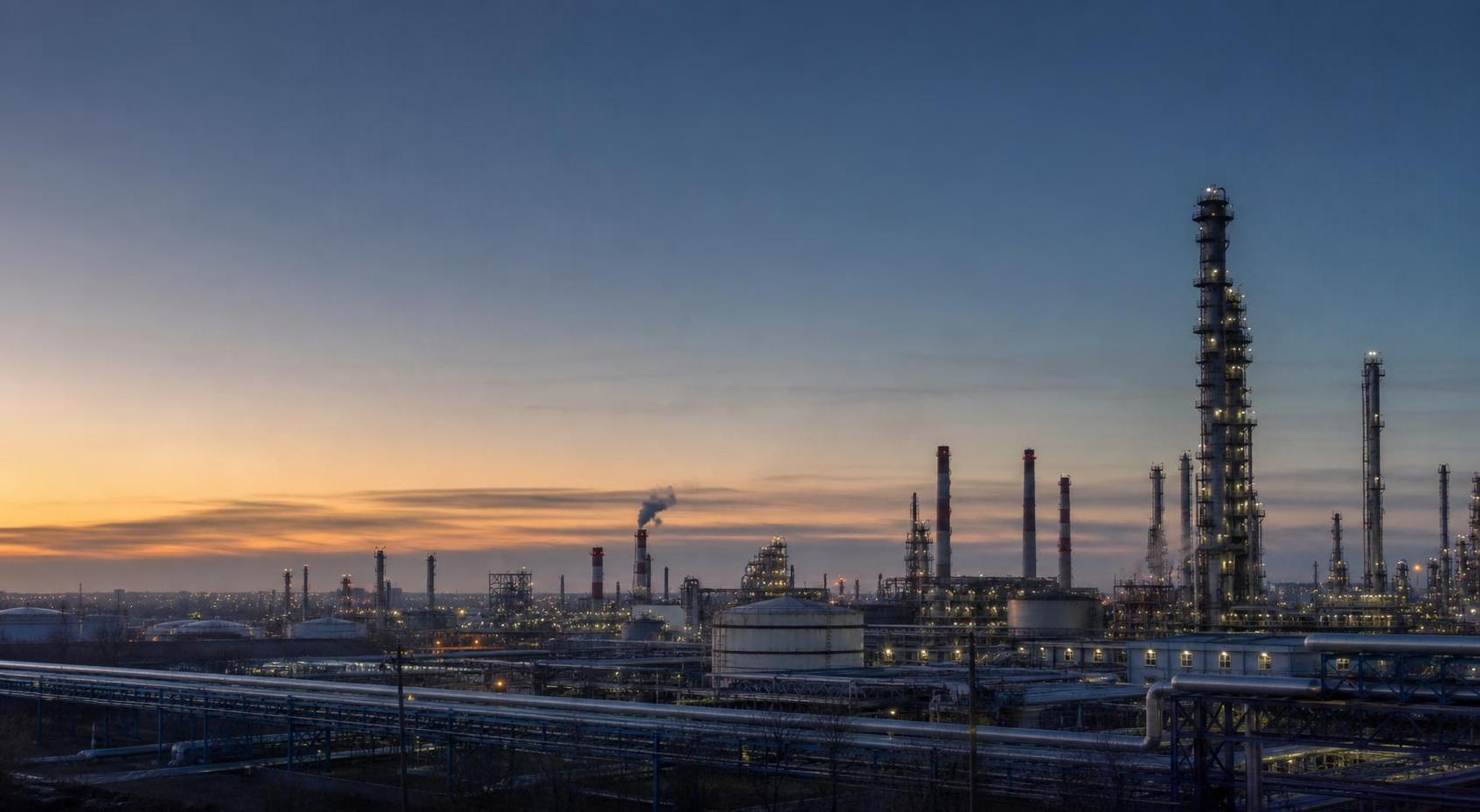
Ukraine's military attacked Russia's largest Omsk refinery on the 6th. Since the end of June, President Volodymyr Zelenskiy has launched an operation centered on medium- and long-range drones, aiming to cut off supplies to Russian forces. With daily strikes on energy facilities and military-related sites, Ukraine is trying to undermine Russia's ability to keep fighting.
The General Staff of Ukraine's armed forces said on social media that one of its drones hit a refinery building and that 'a fire has broken out'. It said refinery equipment was also believed to have been damaged. In response, the governor of Omsk region in Russia said on a messaging app that 'Ukrainian military drones attacked the refinery. Russian forces shot down most of them'.
Long-range strikes target refineries
The refinery has a processing capacity of about 22 million tonnes a year, accounting for roughly 8% of Russia's total. It is the first time Ukraine has attacked the facility, according to the report. Omsk is 2,500 kilometres from the Ukrainian border, underscoring the reach of Ukraine's long-range drones.
Since April, Ukraine has stepped up long-range strikes targeting key infrastructure deep inside Russia. It has repeatedly attacked refineries in places including areas near Moscow, with the number of damaged sites exceeding 80 in the April-to-June period. According to Ukraine's General Staff, Russia's refining capacity has fallen by 40%.
At the end of June, Ukraine began the '40-day operation', a Zelenskiy-backed effort to pressure Russia into ending the fighting. Led by the Security Service of Ukraine and drone units, the plan is to sustain medium- and long-range strikes for 40 days and weaken Russia's ability to continue the war. It has already delivered some results: in June, it forced a partial shutdown at a plant in Tula region in western Russia that produces nitric acid and other materials used to make explosives, while also damaging military plants and satellite communications facilities across the country.
Gaps emerge in Russia's air defence
Ukraine is also posting results from medium-range attacks targeting logistics hubs and other sites 20 to 200 kilometres behind the front line. Ukraine's Defence Minister Fedoroff said on the 5th that attacks on targets more than 50 kilometres from the front doubled in June.
Ukraine aims to disrupt Russian logistics by crippling fuel depots, ammunition stores and railway infrastructure. In particular, it is concentrating strikes on main roads and ports linked to Crimea, which Russia unilaterally annexed, in an effort to cut the peninsula off from mainland Russia.
Russia has also exposed weaknesses in its air defence system. While it operates advanced systems such as S-300 and S-400, their deployment is said to be concentrated in major cities. As Ukraine repeats multiple saturation attacks aimed across the country, shortages of interceptor missiles have become evident. Analysts also say Western sanctions are slowing procurement of the components needed to guide missiles.
More drones and US support
Ukraine's growing battlefield gains reflect the expansion of its long-range drone production capacity. Zelenskiy has set a target of raising annual output of such drones to 30,000 units by 2026.
The mainstay is the Lyutyi drone, which has a range of more than 1,000 kilometres. At the start of the invasion, Ukraine relied on imports of major components from abroad, but in 2025 it achieved domestic production. Using European funds, it has also begun building a system to ramp up production of long-range drones inside Ukraine.
The Financial Times reported on the 5th that the US is also supporting Ukraine's attacks. US intelligence agencies are sharing with Ukraine information such as optimal drone flight routes to help it break through Russian air defences.
Meanwhile, Ukraine itself lacks sufficient interceptor missiles and has not fully built out its air defence system. Russian forces have intensified attacks on Kyiv, and deaths since June have topped 50. The eastern front, including Donetsk region, remains deadlocked, and with both sides looking to long-range strikes for a breakthrough, the exchange of attacks has not abated.
Enjoyed this article? Share it with your network!