





15 brokerages race to finish passkey rollout, curb takeovers
 2026-07-05
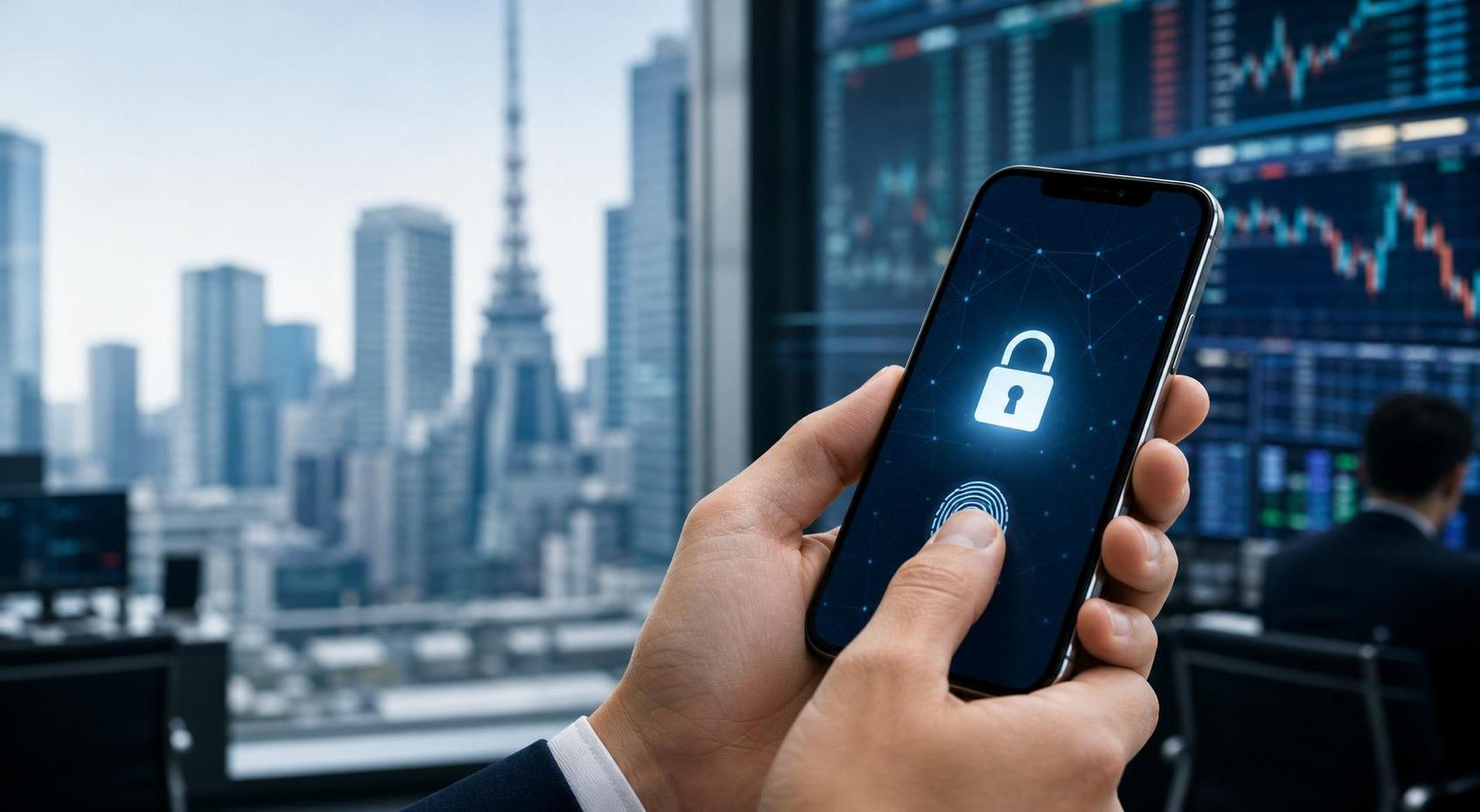
Major brokerages are making passkeys, an advanced form of identity verification such as fingerprint authentication, mandatory for trading. In response to a Nikkei survey, all 15 targeted firms said they had introduced the measure by June. Some exceptions remain, but they are pushing to fully implement it to prevent a repeat of fraudulent trading that begins with account takeovers at securities firms.
All 15 major firms report passkey adoption
Among securities firms handling online trading, the five major brokerages Nomura, Daiwa, SMBC Nikko, Mizuho and Mitsubishi UFJ Morgan Stanley, as well as Okasan and others, said they had already begun requiring passkeys.
Passkeys typically use biometric authentication such as fingerprints and facial recognition, and unlike passwords they are less likely to be leaked outside the company. They also include 'pattern authentication', where users trace a set of points on a smartphone screen in a predetermined order to unlock the device.
It can be difficult to set up quickly, especially for older users. SBI Securities and Rakuten Securities still allow login by entering a password for some customers, but they have said passkeys will be mandatory.
Unauthorized trading surged from around March
Fraudulent stock trades began appearing one after another around March 2025. Criminal groups stole IDs and passwords through phishing that lured victims to fake sites and broke into individual accounts. They profited by placing buy orders in specific stocks to push up prices, then dumping them at inflated levels in market manipulation schemes.
In October 2025, the Japan Securities Dealers Association drew up guidelines to prevent unauthorized access. The Financial Services Agency also issued supervisory guidelines with similar content, calling for mandatory multi-factor authentication at login and when withdrawing funds.
Brokerages have been guiding customers through passkey setup via call centers and sales staff. In early June, Monex Securities held an event where staff encouraged each user to set one up, and about 300 people took part.
Losses still remain
The fraud has not been eradicated. According to the Financial Services Agency, the value of unauthorized trades in May fell sharply from the peak, but losses still totaled about 2.6 billion yen.
Japan Securities Dealers Association Chairman Takashi Hibino said at a news conference on the 1st that the response by brokerages had 'advanced to a considerable degree'. However, he said, 'losses are not zero, and we need to closely watch each firm's response and the incidence of fraudulent trading'.
If new methods spread and the cost of countermeasures rises further, the industry could face consolidation. In March, Okasan announced it would transfer its online brokerage service 'Okasan Online' to SBI. The burden of security measures following account takeover cases is believed to have made the business unprofitable.
Enjoyed this article? Share it with your network!