





Funeral-related ceremonies for Ali Khamenei to be held across Iran from April 4
 2026-07-03
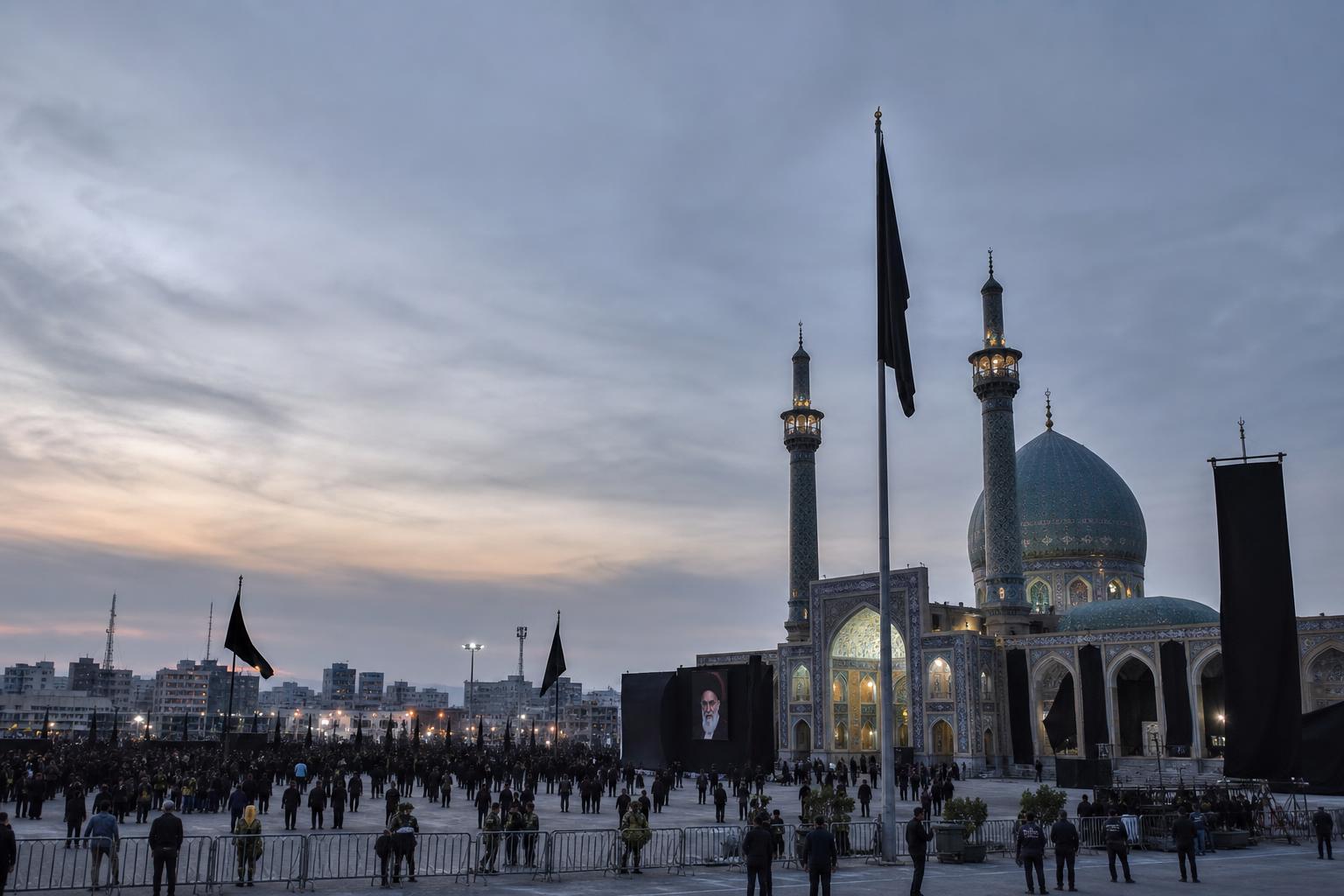
State funeral rites begin on April 4
Funeral-related ceremonies for Iran's former supreme leader, Ali Khamenei, will begin across the country from April 4. Starting with a farewell ceremony in the capital Tehran, they will continue with a large funeral procession on the 6th, events in the central city of Qom and burial in Mashhad in the northeast, his hometown. A ceremony attended by foreign dignitaries is scheduled for the 3rd.
Attendance scale and diplomatic schedule
State-run Fars news agency reported that attendance could reach 15 million to 20 million in Tehran alone and a total of 35 million nationwide. That would equal 40% of the population. According to Iran's foreign ministry, officials from more than 100 countries will attend, including Russia's deputy chairman of the Security Council and former president Dmitry Medvedev and Pakistan's Prime Minister Sharif.
US talks mediated by Qatar are also set to resume after the funeral. Full negotiations are expected to begin over the release of frozen assets, control of the Strait of Hormuz and the nuclear development issue. At Ayatollah Khomeini's funeral in 1989, an official estimate put attendance at about 10.2 million, and some have pointed out that this time it could exceed that figure.
Projecting continuity of the system
A senior Iranian interior ministry official described the state funeral as 'a turning point in the history of the revolution' and said it will be run by a headquarters headed by First Vice President Aref. The government aims to promote national prestige by highlighting the charisma of the former supreme leader, while also showcasing a leadership structure centered on Mojtaba Khamenei, who is regarded as the next supreme leader.
Ali Khamenei was born in 1939. He took part in Iran's 1979 revolution and, after serving as president, became supreme leader in 1989 as Khomeini's successor. He maintained an anti-US line, had the Revolutionary Guard handle the suppression of protest demonstrations and other tasks, and backed Shiite armed groups across the Middle East that oppose Israel.
However, Mojtaba has not appeared in public since the outbreak of the military confrontation. He was reported to have been injured in attacks by the United States and Israel and has since limited himself to issuing statements through social media and other channels. His health condition has not been disclosed. How Mojtaba's movements are reported through the ceremonies will be a clue to the future of the regime.
Enjoyed this article? Share it with your network!