





LPDDR5 surge from Nvidia AI server use ripples into smartphone prices
 2026-07-03
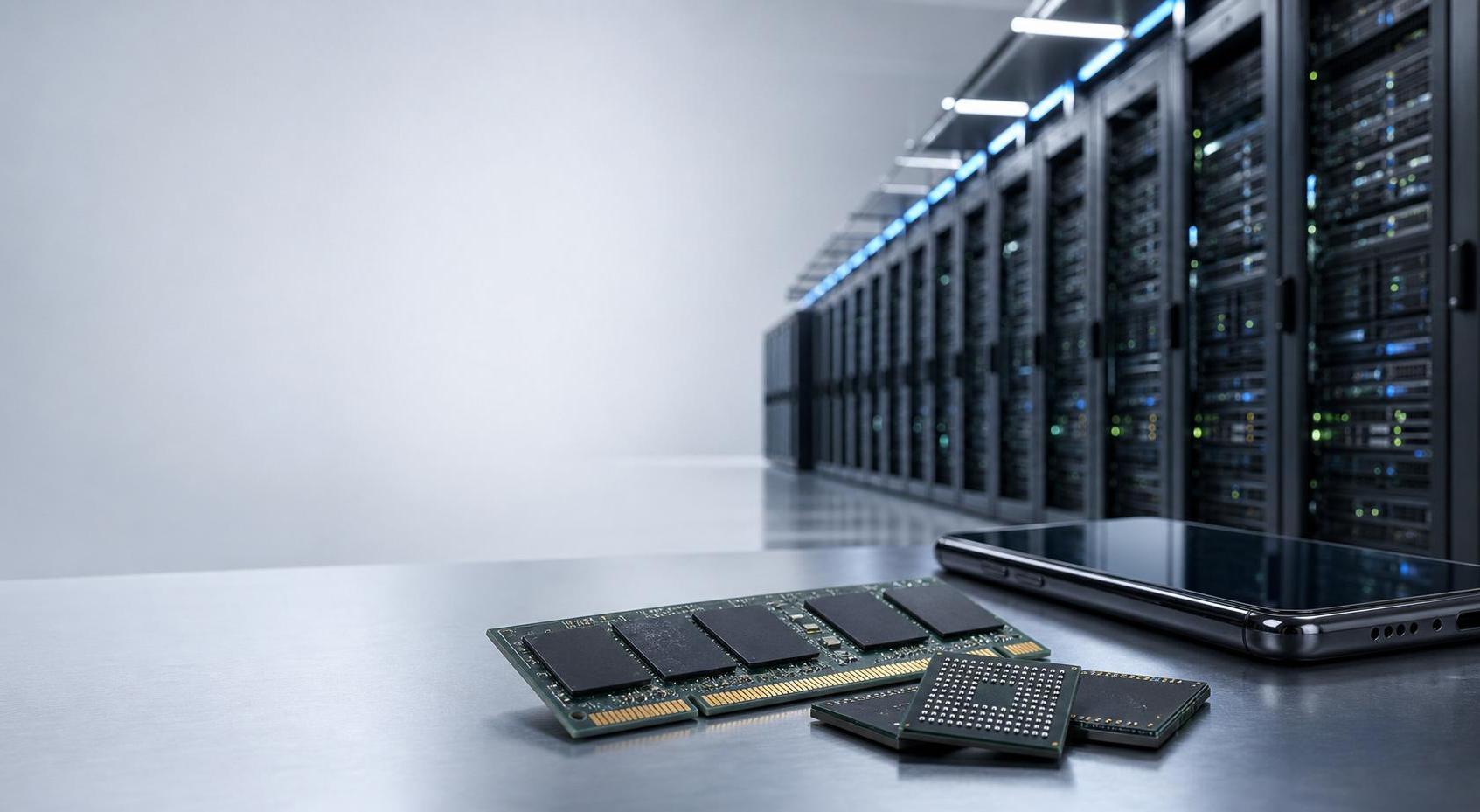
Nvidia's demand for AI servers is starting to push up component costs for smartphones. Memory chips derived from the same family used in handsets are also being used in data centers, intensifying supply shortages.
LPDDR5 surges
The sharpest gains are being seen in LPDDR5, a type of DRAM used for short-term storage. It consumes less power and is widely used in smartphones and PCs. Bulk transaction prices for 32-gigabit chips were around $59 each in the April-June quarter, up 40% from the previous quarter.
Nvidia has begun using LPDDR5 in earnest in SOCAMM, a composite component designed for AI servers. SOCAMM is placed close to the CPU for inference processing and for handling large-scale data across the system, separate from high-bandwidth memory, or HBM, the stacked DRAM that supports GPU AI training.
AI servers for data centers consume large amounts of power, making it a challenge to boost computing performance while keeping electricity use down. According to Micron's Japan unit, fitting LPDDR5 into SOCAMM as Nvidia's proprietary standard has made 'extremely important low power consumption and high bandwidth possible in AI data centers.' Ease of removal and strong maintainability are also seen as advantages.
Pressure spills into smartphone prices
At present, an improved version of LPDDR5 is also thought to be installed in Nvidia's next-generation server Vera Rubin, which has entered mass production. SOCAMM production is dominated by the three major DRAM makers, Samsung Electronics, SK Hynix and U.S.-based Micron Technology, which are competing in development and mass production. The amount of LPDDR5 installed in a single SOCAMM is large.
An electronics trading company executive said, 'Micron is taking the lead and full-scale adoption by Nvidia is progressing, and LPDDR5 is likely to see a stronger pace of price increases than other DRAM types going forward.'
LPDDR5 is also used in mid- to high-end smartphones. Memory accounts for a large share of the component cost of a smartphone, and U.S. Apple has been reported to be considering price increases for its products.
According to research firm Counterpoint Research, in high-end smartphones priced above $800, the share of memory, including LPDDR and NAND flash memory, stood at 34% as of the April-June quarter. That was up 15 percentage points in six months, driven by shortages and surging prices. This price band includes Apple's iPhone and other devices.
Global smartphone shipments fell 5% from the previous quarter to 287 million units in the January-March period, marking the first decline in 10 quarters. Market conditions are becoming even more severe. Yoko Miyashita, senior consultant at Counterpoint Research, said that smartphone price hikes and declines in shipments could continue.
Enjoyed this article? Share it with your network!