





Toyota to compensate suppliers for LF-ZC development cancellation
 2026-07-02
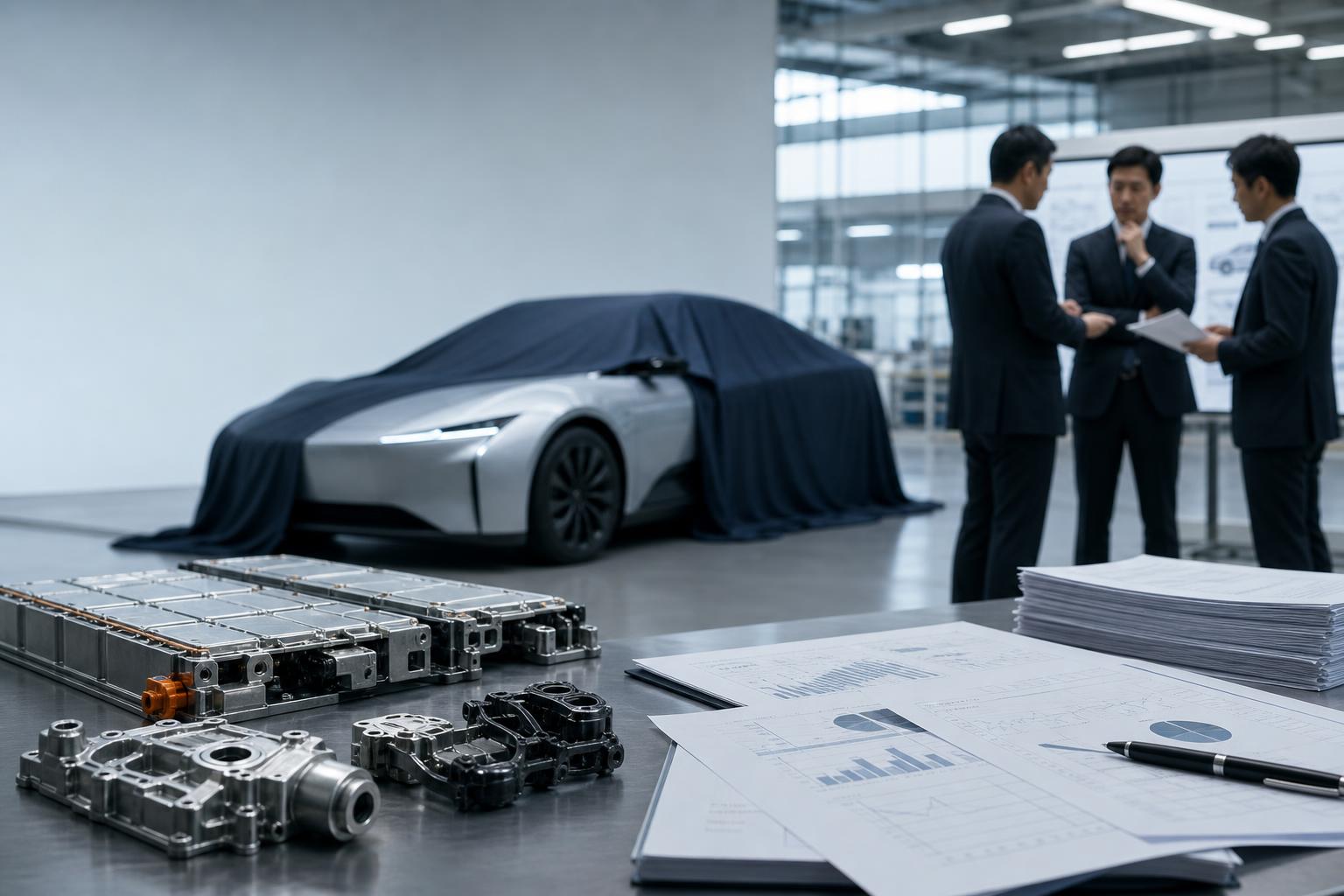
Toyota Motor has decided to compensate parts makers for part of their losses after scrapping development of its next-generation EV, or electric vehicle. The scale could reach several tens of billions of yen. Parts suppliers had been investing in dedicated equipment and other facilities.
LF-ZC development cancelled
The vehicle in question is LF-ZC, a sedan-type EV under the luxury brand Lexus. The cancellation was announced on May 29. It was planned as a low-roof, streamlined coupe-type model equipped with a new high-performance battery and Toyota's 'gigacast' method, which integrates parts into a single large casting made from aluminum. It had been positioned as a next-generation EV showcasing Toyota's latest technologies.
The impact of the cancellation has spread across the supply chain. Major Toyota-affiliated auto parts makers are expected to book losses of several billion yen each, with some companies seeing losses of around 10 billion yen, according to the report. Toyota is expected to cover part of the cost, and total compensation could amount to several tens of billions of yen.
Toyota's consolidated net profit for the year ending March 2027 under International Financial Reporting Standards is forecast to fall 22% from the previous year to 3 trillion yen, and the impact from the compensation is seen as limited. Even so, it is likely to weigh on earnings.
Turning point in manufacturing methods
One reason the losses have spread is that LF-ZC adopted a manufacturing method significantly different from conventional practice. Normally, multiple metal parts are joined together to form the body, but gigacast uses a super-sized casting facility to mold large parts as a single piece. An executive at a Toyota supplier said, 'It is a method of making cars with a large machine, like making taiyaki.'
Since Tesla began using it in earnest for EV production in the U.S., the technology has drawn attention as a way to transform next-generation car manufacturing, and Toyota has also pursued development. While it is expected to extend driving range by reducing weight, mass production is difficult and defect rates tend to be high. Multiple suppliers had expected it to become the mainstream in the future and had gone as far as installing dedicated factory equipment, building new lines and even rebuilding facilities.
Toyota said on losses and compensation related to LF-ZC: 'Because conditions differ by company, we are communicating individually.'
Revising product strategy
The cancellation underscores a shift in Toyota's product strategy. Related companies appear to have been notified by Toyota by May 27. Many engineers and suppliers had joined the project several years ago.
Yuki Nakajima, Toyota vice president and chief technology officer, told reporters from Nikkei and others, 'Among the employees who have worked on LF-ZC development, there are many engineers who have expressed their frustration with tears. I feel sorry.' He added, 'The technology cultivated in LF-ZC will be carried over directly to successor models. So we will continue developing the technology.'
A Toyota insider said, 'I don't think there has ever been a cancellation at this timing in Toyota's history.' In the past, when launching next-generation models such as the Prius hybrid vehicle, or the Mirai fuel-cell vehicle that runs on hydrogen, there were many cases in which profitability was set aside.
Toyota is reviewing its product strategy. President Kenta Kon, who places importance on the breakeven production volume as a management metric, said at an earnings news conference in early May that the review 'also includes revising and reducing production models.' As concerns grow that Toyota will continue to emphasize profitability in its product strategy, caution is spreading among auto parts companies.
Scrapping EV development has become common among automakers. In March, Honda halted development and launch of three models, including two from its flagship Zero Series EV lineup, and entered talks to compensate parts makers. Due to compensation costs and impairment charges, it booked a loss of 1.2 trillion yen for the year ending March 2026, its first red ink since listing, and expects a loss of 500 billion yen for the year ending March 2027.
Enjoyed this article? Share it with your network!