





Yen slips to 162 as weak-yen expectations deepen
 2026-06-30
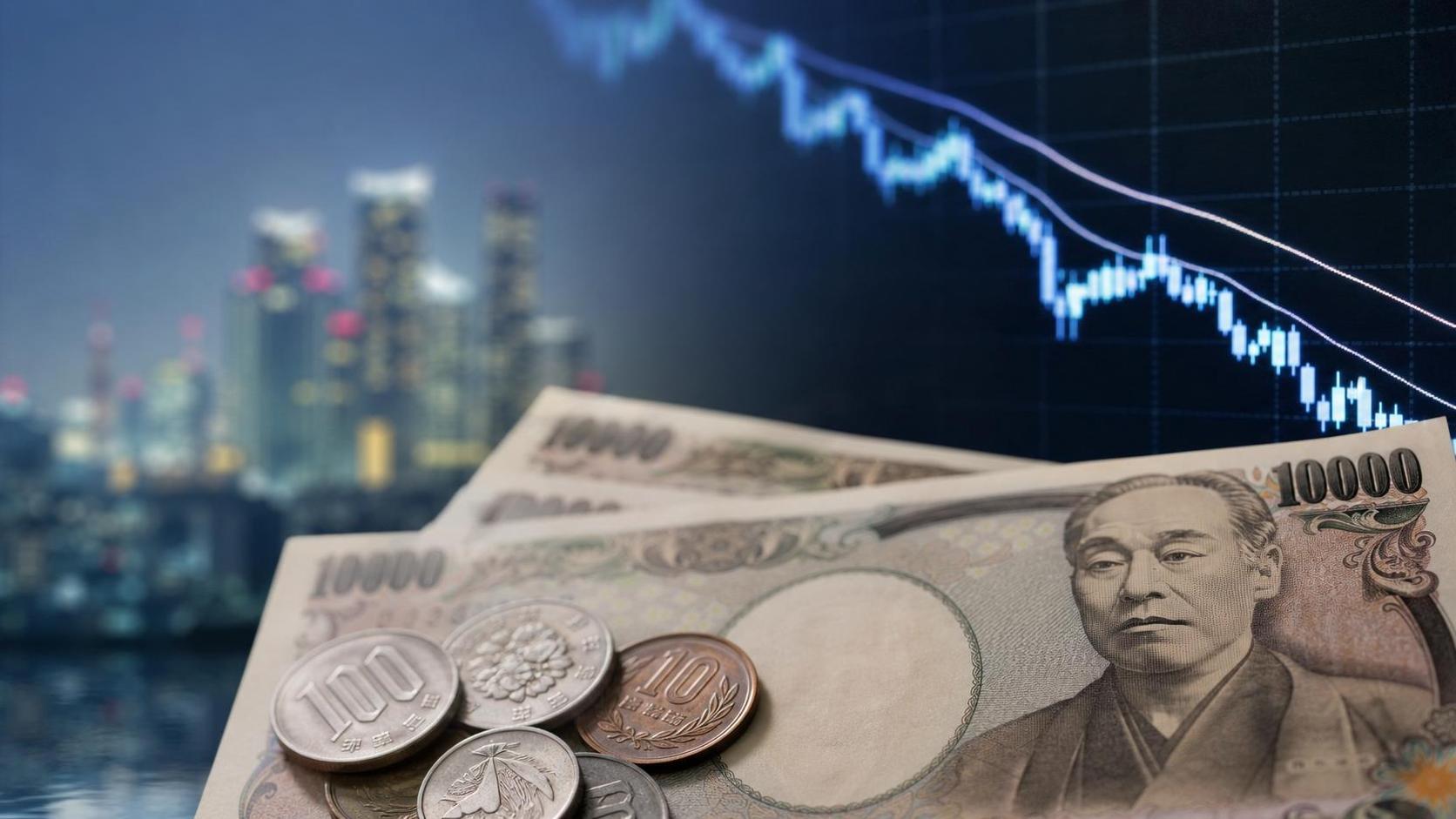
The yen fell to the 162 level against the dollar, marking its weakest level since December 1986 and the lowest in 39 and a half years. Strong pressure for a firmer dollar, backed by the resilient U.S. economy, has increased, while caution over yen-buying intervention by the government and the Bank of Japan has faded. In the market, views are spreading that the yen may weaken further.
Yen selling accelerates further
U.S. Citigroup said in an investment strategy released on the 29th that it would unwind trades buying yen and selling dollars. As major global financial institutions expect a weaker yen and stronger dollar, the firm, which had taken a bullish view on the yen, has also shifted its stance.
In Tokyo trading on the 30th, the yen was sold down to the 162 level, renewing its weakest level since December 1986. At that time, the yen had strengthened after the previous year's Plaza Accord, rising from 240 per dollar before the agreement to 120 yen by the end of 1987.
Shinsuke Nakazato, client manager at Resona Bank, said the drop to 162 reflected 'a burst of pent-up yen selling and dollar buying that had been held back by caution over intervention and other factors.' Hirofuku Ezawa, head of the market division at Standard Chartered Bank, pointed out that a large amount of option-related positions had built up around 161.95 yen and the 162 level. As the yen weakened beyond those levels, loss-avoidance yen selling and dollar buying also increased.
Yusuke Okada, senior researcher in the funds and foreign exchange division at Mitsubishi UFJ Trust and Banking, said that even amid mixed buying and selling, demand from importers to buy dollars helped accelerate yen weakness. The end of the month, when corporate foreign exchange transactions tend to rise, also amplified price swings.
Reassessing the strong dollar
Across the market, buying pressure on the dollar remains strong. After the military conflict between the United States and Iran, 'safe-haven dollar buying' spread from March as funds moved into the dollar as a haven asset. The dollar has generally risen against major currencies such as the euro and British pound, showing an isolated strength.
If negotiations toward ending the fighting advance, the pace of dollar buying should ease, but market attention is instead shifting to the prospect of a renewed dollar rally. HSBC in Britain said that while the worst of geopolitical risk may be passing, the focus has moved to the sustainability of dollar strength. Capital Economics in Britain also said it expects U.S. economic improvement and a Federal Reserve that remains open to rate hikes to support the market at least through the second half of 2026.
Recent data showing strength in U.S. employment and business sentiment is also supporting the dollar. The June U.S. employment report is due on July 2, but rather than waiting for the result, the market is continuing to buy dollars and sell yen.
Rising Japanese stocks also weaken the yen
At the same time, factors encouraging yen selling are increasing. Of particular focus now is the relationship between Japanese stocks, which are near record highs, and yen weakness. When overseas investors buy Japanese stocks, they may hedge the position with yen selling to reduce foreign exchange risk. If moves to adjust hedge ratios emerge as stock prices rise, yen selling could expand and contribute to further weakness.
Even though the yen is at historically weak levels, the market has not grown more convinced that the decline has run its course. Rinto Maruyama, senior rates and FX strategist at SMBC Nikko Securities, recommends maintaining a basic stance of yen selling and dollar buying.
Behind this is also a fading sense of caution over yen-buying intervention by the government and the Bank of Japan. Finance Minister Satsuki Katayama said at a post-cabinet meeting press conference on the 30th that, regarding the weak yen, 'we will respond appropriately at any time as needed' and that 'the fact that firm measures are included was also confirmed at the recent online meeting between the Japanese and U.S. finance ministers.'
However, Hiroshi Suzuki, chief FX strategist at Sumitomo Mitsui Banking, said the remarks were widely received as not giving the impression that intervention would be launched immediately. He added that the trigger for intervention and the key levels are becoming harder to identify.
Among foreign exchange dealers at domestic banks, concern remains strong that, in the absence of intervention for now, yen weakness could gradually continue on the back of dollar strength and fall to around 165 yen. Robin Brooks of the Brookings Institution also posted on X, formerly Twitter, on the 29th that there is room for the yen to weaken to 170 or beyond.
Among market participants, the view still prevails that there are few factors likely to drive the yen stronger. If nothing happens, the yen is expected to remain under pressure and probe lower levels.
Enjoyed this article? Share it with your network!