





U.S. Supreme Court Rules Trump Birthright Citizenship Order Unconstitutional
 2026-06-30
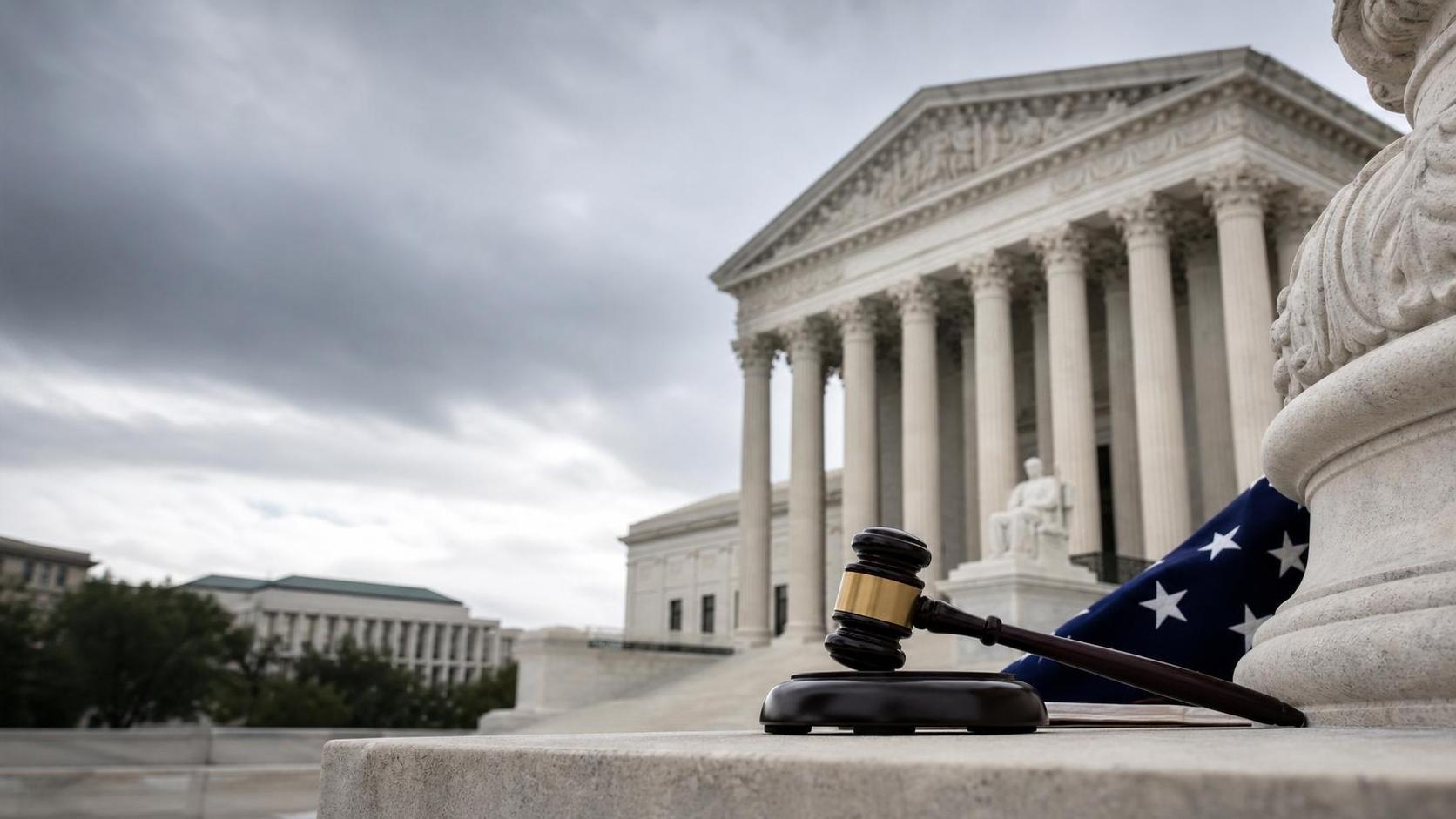
Top Court Rules Birthright Citizenship Order Unconstitutional
The U.S. Supreme Court on the 30th ruled unconstitutional an executive order by U.S. President Donald Trump directing a revision to birthright citizenship, which automatically grants U.S. citizenship to children born in the United States.
The ruling is a blow to immigration restrictions, one of Trump’s signature policies. Trump had pressed for a ruling upholding the order through social media and other channels, and he also attended oral arguments in April, the first sitting president to do so.
Court Confirms 14th Amendment Applies
The 14th Amendment to the U.S. Constitution says that anyone born or naturalized in the United States and subject to its jurisdiction is a U.S. citizen. The Supreme Court said children born to parents who are in the United States illegally or temporarily also fall under this requirement and are U.S. citizens under the 14th Amendment.
In the opinion, Chief Justice Roberts said citizenship is the 'right to have rights' and wrote that the framers of the 14th Amendment extended that promise to 'all persons born on this land.' He also said, 'We uphold that promise today.'
Background And Fallout
In January 2025, Trump signed an executive order saying that even if a child is born in the United States, the child will not be granted U.S. citizenship if the father does not have U.S. citizenship or permanent residency and the mother is in the country illegally or is temporarily staying on a visa. The aim was to curb illegal immigration and, with China and other countries in mind, birth tourism.
Civil groups and others filed suit, arguing the order was unconstitutional, and lower courts blocked its enforcement. The administration appealed that decision. The ruling could also affect Japanese nationals who give birth while in the United States for study, work assignments or other reasons.
Trump criticized the ruling in a post on social media, saying it was 'very bad for the United States.' He also said Congress could easily revise birthright citizenship through legislation and called for procedures to begin immediately.
Conservative Justices Split
Meanwhile, conservative Justices Thomas, Alito and Gorsuch dissented, saying the executive order was not unconstitutional. Justice Kavanaugh also said it did not violate the Constitution, but ruled it invalid because it conflicted with the Immigration Act enacted in 1952.
Kavanaugh said Congress could enact amendments or new legislation to make children of parents who are illegally or temporarily in the country an exception to birthright citizenship. In a 1898 ruling, the Supreme Court recognized U.S. citizenship for the child of a Chinese immigrant born in the United States, and since then birthright citizenship has been maintained in the United States for more than 100 years.
Trump had argued that the 14th Amendment was created at the time to grant citizenship to formerly enslaved people and their children, and that it did not apply to children of illegal immigrants.
Enjoyed this article? Share it with your network!