





Yen hits around 161.97 per dollar, weakest in 39.5 years
 2026-06-29
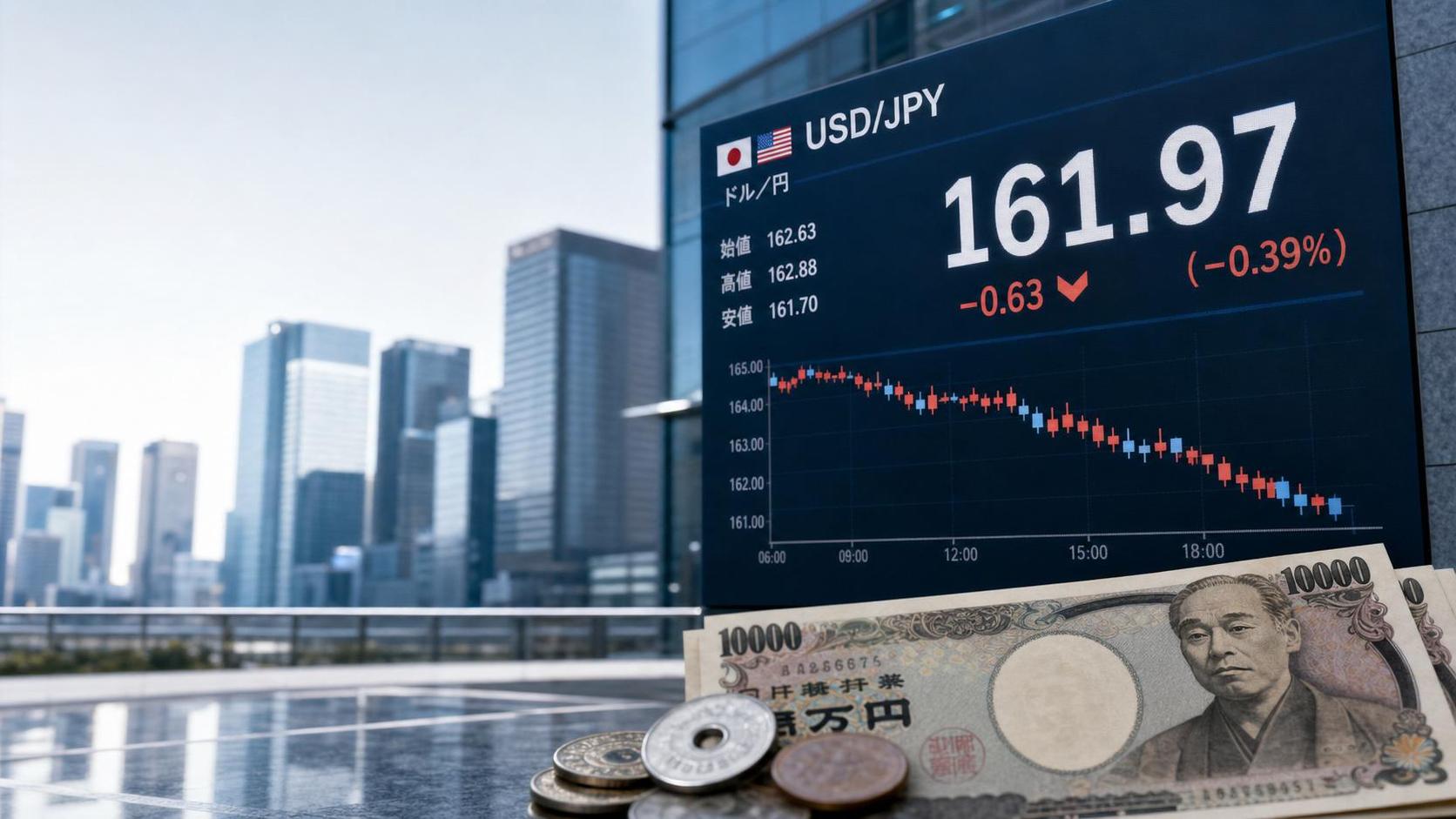
Yen falls into historic low territory
In the foreign exchange market on the 29th, the yen briefly fell to around 161.97 per dollar, its weakest level against the dollar in 39.5 years. It topped the 161.96 level seen in July 2024 and marked the yen's lowest since December 1986.
Fed rate hike expectations support the dollar
The dollar has been bought on signs of economic expansion in the United States, while price pressures linked to the situation in the Middle East have also continued. Markets widely expect the Federal Reserve to raise rates by another one to two times this year, and the dollar has been on an upward trend against major currencies including the euro.
Structural pressure on the yen continues
The yen's weakness has continued since 2022, and over the past four and a half years it has fallen by nearly 30% against the dollar. From autumn 2025 onward, selling of the yen accelerated on expectations that Prime Minister Sanae Takaichi's economic policies would favor monetary easing, and from March 2026 onward, 'safe-haven dollar buying' also gathered pace amid tensions over Iran.
The Bank of Japan has been working to normalize the extraordinary easing that lasted for about a decade, and on the 16th it raised its policy rate to 1%. However, real interest rates excluding price changes remain low, and the view that rate hikes have not kept up still has a strong hold in the market. Concern also lingers over possible currency intervention by the government and the BOJ.
On the 22nd, news emerged of an online meeting between Finance Minister Satsuki Katayama and U.S. Treasury Secretary Bessent, raising the possibility that they exchanged views on currency moves. On the 23rd, Katayama said Japan and the United States had agreed to take firm action if necessary.
Imported prices weigh on households
Because Japan relies on imports for energy, higher prices for crude oil and other commodities tend to be a yen-negative factor through yen selling and dollar buying. Individual overseas stock investment through the new NISA scheme is also a drag on the yen.
While a weaker yen benefits exporters, it can also push up domestic prices through higher import costs and weigh on private consumption.
Enjoyed this article? Share it with your network!