





China adds 20 Japanese firms and groups to export curbs, focused on defense and space
 2026-06-29
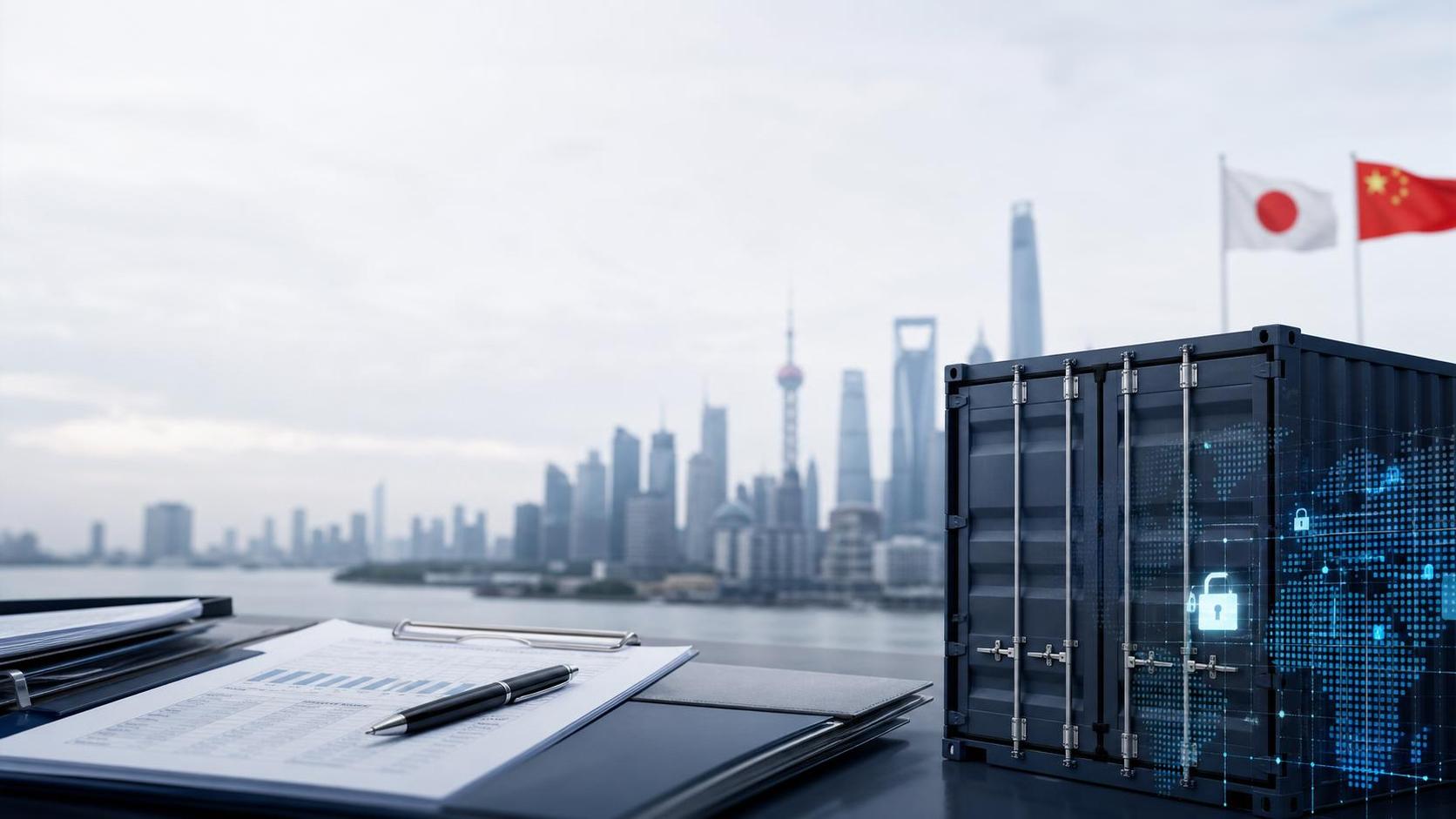
China's Commerce Ministry said on the 29th it had added 20 Japanese companies and groups, including Mitsubishi Electric Software and the Defense Ministry's National Institute for Defense Studies, to its export control list. The measure bans exports of dual-use goods under the Export Control Law and related rules.
Expansion under second round of measures
The move is the second round of measures targeting companies and groups, following steps in February against Mitsubishi Shipbuilding and others, bringing the total to 40 Japanese companies and groups. It is seen as a countermeasure to Prime Minister Sanae Takaichi's remarks in parliament over a Taiwan contingency and has again intensified China's economic pressure on Japan.
The latest targets are centered on the defense, space and maritime industries and include the Research Institute for Ground Equipment, the Research Institute for Aviation Equipment, as well as Nikkoh Special Machine, Mitsubishi Precision, MHI Logitec and Nippon Aircraft Supply. It also banned companies and individuals in countries other than China from exporting dual-use goods imported from China to the 20 Japanese companies and groups, and demanded that related exports already under way be halted immediately.
Critical minerals also targeted
Critical minerals, including rare earths, are also covered, and special cases require approval from the Commerce Ministry.
Separately, the ministry also added 20 Japanese companies and groups to its export control watchlist. The measure tightens screening of dual-use-related exports and took effect on the 29th. With the February addition of SUBARU and others to the watchlist, the total there also stands at 40 companies and groups.
The watchlist includes Mitsui E&S, Terra Drone, Japan Nuclear Fuel, Komatsu Industries and Oki Electric Industry. Shipments to these companies and groups require individual screening, and the submission of additional documents, including pledges that the goods will not be used to enhance Japan's military capability, is also required.
The Commerce Ministry said that if the companies and groups cooperate with its investigative obligations, they may apply for removal from the watchlist, and that the ministry will make the final decision on whether to delete them.
China says the additional measures 'will not affect normal economic or trade activities,' but since it tightened export restrictions on Japan in January under dual-use rules, corporate sourcing of rare earths and other materials has been disrupted. China's rare earth exports to Japan in March and April fell more than 80% from a year earlier.
In May, two Japanese men who were employees of the Fujidenki Group were detained by authorities in Dalian, Liaoning province, China, over rare earths. They are believed to be suspected of violating laws and regulations in connection with exports of rare earth products.
Enjoyed this article? Share it with your network!