





China's Criticism of Japanese Militarism Spreads to Allies
 2026-06-29
Intensified Pressure on Japan
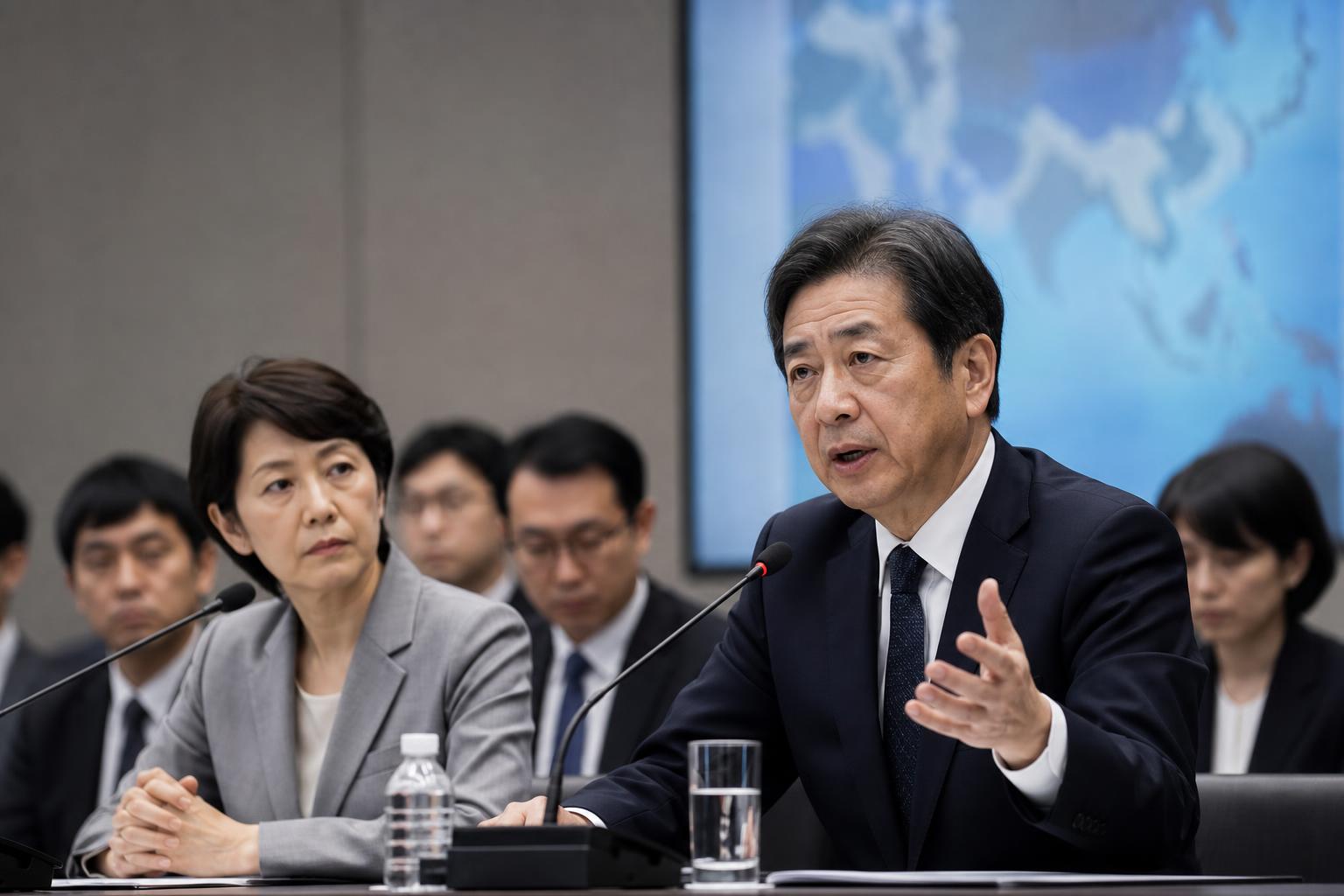
China's criticism of the Sanae Takaichi administration as 'new militarism' is spreading to friendly countries. In addition to Russia and North Korea, which have aligned with China against the US, Pakistan and Bangladesh have also echoed Beijing's position. The move could affect Japan's diplomatic relations.
Since November 2025, China has stepped up pressure on Japan against a backdrop of worsening bilateral ties triggered by the prime minister's parliamentary remarks on a Taiwan contingency. The Chinese government has urged its citizens to refrain from travelling to Japan and has also restricted exports to Japan of dual-use goods, including rare earths.
On security, China has denounced higher defence spending and the deployment of long-range missiles under the Takaichi administration as 'new militarism'. In a diplomatic white paper released on the 17th this month, it also warned, with Japan in mind, that 'militarism is re-emerging and international security is in a fragile phase'.
To broaden international support for its criticism, China has been raising the same points in diplomatic talks with other countries. Among them, Russia and North Korea have particularly close ties with China in economic, trade and military affairs.
Russia, North Korea Echo Beijing
In a joint statement released in May after a summit in Beijing, the Chinese and Russian governments named Japan directly and said 'Japan's rapid rearmament path poses a serious threat to regional peace and stability'. They also called on the Japanese government to 'abandon new militarism and rearmament'.
North Korean leader Kim Jong Un claimed at a key Workers' Party meeting held from June 20 to 22 that Japan was seeking to become a 'military power'. He said Japan was 'openly transforming into a wartime state'.
This appears to be the first time Kim has referred to 'becoming a military power' in criticism of Japan. When Chinese President Xi Jinping visited North Korea on the 8th and 9th, he also called for opposition to militarism, with Japan in mind.
Pakistan and Others Follow
Even in documents that do not name Japan directly, signs of alignment with China have emerged. A joint statement compiled by China and Pakistan in May said they 'firmly oppose any attempt to revive militarism'.
Joint statements released by China and Myanmar on the 17th, and by China and Bangladesh on the 26th, also used the same wording, saying they 'oppose attempts to revive militarism'. All of them were issued in the context of summit meetings.
In addition, China and Mongolia released a joint document following Communist Party Politburo member and Foreign Minister Wang Yi's visit to Mongolia from the 13th to the 15th, saying they 'condemn all forms of militarism and do not support any action aimed at reviving such ideas'.
Japan had only recently agreed with Mongolia at a foreign ministers' meeting on the 9th to further strengthen the two countries' 'special strategic partnership'. If China's criticism of 'militarism' spreads further among other countries, it could undermine Japan's national interests.
Enjoyed this article? Share it with your network!