





IMO suspends Persian Gulf evacuation plan after cargo ship attack
 2026-06-25
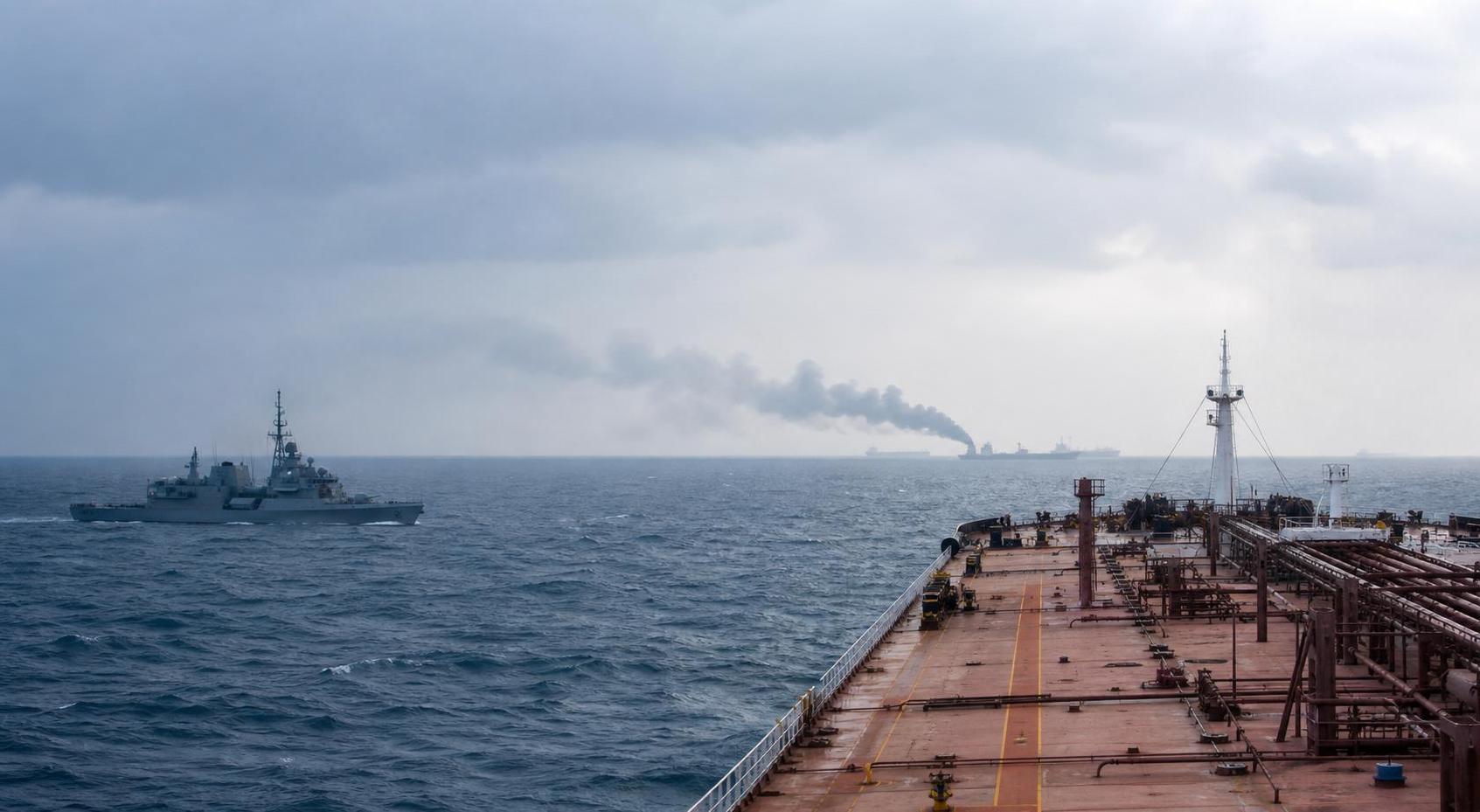
The International Maritime Organization said on the 25th that it would temporarily halt a plan to evacuate vessels stranded in the Persian Gulf. It made the decision after a cargo ship came under attack on the Omani side of the Strait of Hormuz and judged that safety needed to be secured.
Attack occurs on southern route
On the 23rd, the IMO had said it would work with the United States, Iran and Oman to evacuate more than 11,000 crew members from tankers and cargo ships remaining in the gulf. With more commercial vessels passing through the Strait of Hormuz, there were also views that supplies of crude oil and petroleum products would recover, but the outlook remains unclear.
According to the United Kingdom Maritime Trade Operations and others, in the evening of the 25th local time, a Singapore-flagged cargo ship was attacked while trying to pass through waters on the Omani side, and a flying object hit its starboard side. Reuters reported, citing a US official, that Iran was behind the attack.
Traffic fluctuates on northern and southern routes
More than 500 commercial vessels had been staying in the gulf, but traffic has begun to recover since the evacuation plan by the IMO and others was announced. According to S&P Global, 78 vessels passed through the Strait of Hormuz on the 24th, the day after the plan was announced, recovering to 57% of the level seen before the clash between the United States and Iran.
There are two evacuation routes, one north route indicated by Iran and one south route on the Omani side. Analysis by vessel-tracking website MarineTraffic showed that more commercial ships were leaving via the south route.
When the IMO and Oman announced the opening of the south route on the morning of the 24th, ships anchored off the United Arab Emirates began moving out of the Persian Gulf through that route. At first, some ships used Iran's north route, and both routes were in use.
However, use of the north route then declined. By around 3 p.m. on the 24th, ships entering the north route had almost disappeared, and by that night location information for large vessels had almost vanished as well. Meanwhile, a queue of ships seeking to evacuate formed on the south route.
Iran is believed to have reacted strongly. The Revolutionary Guards said in a statement on the 25th that only routes designated by Iran would be permitted for passage. In audio from an Iranian broadcast that was said to have been received by ships waiting in the Persian Gulf, vessels were told that permission from the Revolutionary Guards was required for navigation and warned that 'you will bear responsibility for any consequences'.
Some commercial vessels are turning back to avoid danger. According to MarineTraffic, a tanker heading to India returned from the south route to the north route on the 25th. The Financial Times reported that four commercial vessels turned back on the 25th after warnings from the Iranian side.
European research firm Kepler said the focus is not on whether the strait is open or closed, but on the fact that the situation has become more complex. It said delays, diversions, forced route changes and higher insurance premiums are adding up, meaning views on trade risk itself need to be revised.
Enjoyed this article? Share it with your network!