





U.S. eases sanctions, paving way for Iranian crude shipments
 2026-06-24
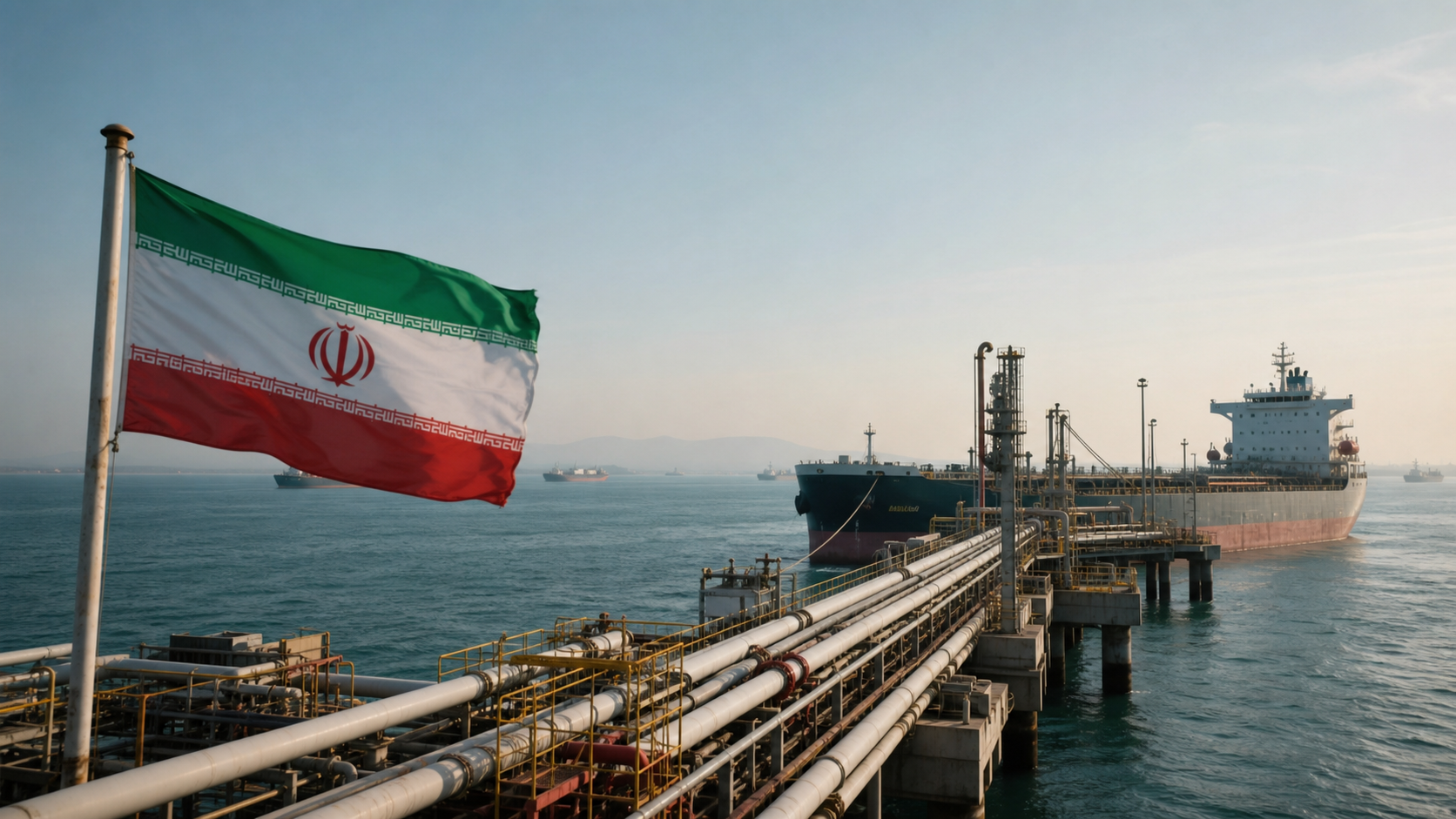
The United States has temporarily eased sanctions on Iran and allowed the sale and transport of Iranian crude. In response, shipments of oil that had been stuck in the Persian Gulf have begun to move. Iran could earn more than 1 trillion yen in revenue.
Large tanker departs Kharg Island
At 3 a.m. local time on the 23rd, 8:30 a.m. Japan time, the ultra-large tanker Inparas began slowly pulling away from the west pier of Kharg Island, Iran's crude oil export hub in the Persian Gulf. Its draft is about 21 meters, and its roughly 2 million-barrel cargo tank is believed to be almost full.
According to vessel-tracking website MarineTraffic, the ship is registered in Sao Tome and Principe. As of 10:30 p.m. on the 23rd, it was sailing off Qatar, and the destination field in its automatic identification system, or AIS, showed 'Chinese crew on board' and indicated it was heading toward the Strait of Hormuz.
Japan's Nikkei analyzed satellite images taken on the 20th by Sentinel-2, an Earth observation satellite run by the European Space Agency, and confirmed three large vessels believed to be tankers at the west pier. One of them was Inparas. Until the day before, on the 19th, no ship silhouettes had been seen at the pier for more than a month, showing a rapid pickup in activity. MarineTraffic also showed extensive position signals from tugboats supporting the docking and departure of large vessels.
Relaxation of sanctions speeds shipments
The United States said on the 22nd that, based on a memorandum signed by both sides on the 17th, it had removed the sale and transport of Iranian crude and petroleum products from sanctions targets. It said all sanctions would be lifted if a final agreement is reached in talks over the next 60 days.
The U.S. military has maintained a maritime blockade since mid-April targeting ships entering and leaving Iranian ports. Unshippable crude had accumulated on Kharg Island, and Iran is believed to have been stockpiling oil using older tankers as well. With the partial easing now in place, Iran may have moved quickly to start loading shipments.
Pre-delivery Iranian crude may total 122 million barrels
According to Claire Jungman of British research firm Vortexa, at least 69 million barrels of Iranian crude loaded on tankers and other vessels had not yet been delivered as of the 19th. Including volumes outside the Persian Gulf and cargoes on the so-called shadow fleet that do not show location data, the total rises to 122 million barrels.
Spot prices for Dubai crude, a benchmark for Middle East oil, were around $70 a barrel as of the 23rd. If Iran sells all of it at current prices, it would generate $8.5 billion, or about 1.3 trillion yen, in revenue.
However, if negotiations toward a final U.S.-Iran agreement stall or break down, sanctions could be reinstated. The United States said it had reached agreement in senior-level talks that began on the 21st for Iran to accept inspections by the International Atomic Energy Agency, but Iran has denied this.
U.S. President Donald Trump warned on the 22nd, 'If Iran does not live up to the agreement or behaves improperly, I will do what I have to do.'
The United States began sanctions on Iran in 1979 and later expanded them to foreign companies and the financial, shipping and insurance sectors. They were partially eased under the 2015 Iran nuclear deal, but the Trump administration withdrew from the accord in 2018 and tightened them again.
According to the Organization of the Petroleum Exporting Countries, Iran's crude oil exports in 2025 are 1.66 million barrels a day. Fueled by strong demand from China, that is four times the 400,000 barrels a day seen in 2020, the lowest level since 1980, the earliest year for which data are available. Even so, it still falls short of the more than 2 million barrels a day seen in the 1990s and 2000s.
Oil is a major pillar of Iran's state revenue. In 2019, then U.S. Secretary of State Mike Pompeo pointed out that 40% of Iran's regime revenue came from oil sales.
Enjoyed this article? Share it with your network!