





Supreme Court Upholds Dissolution Order for Unification Church
 2026-06-23
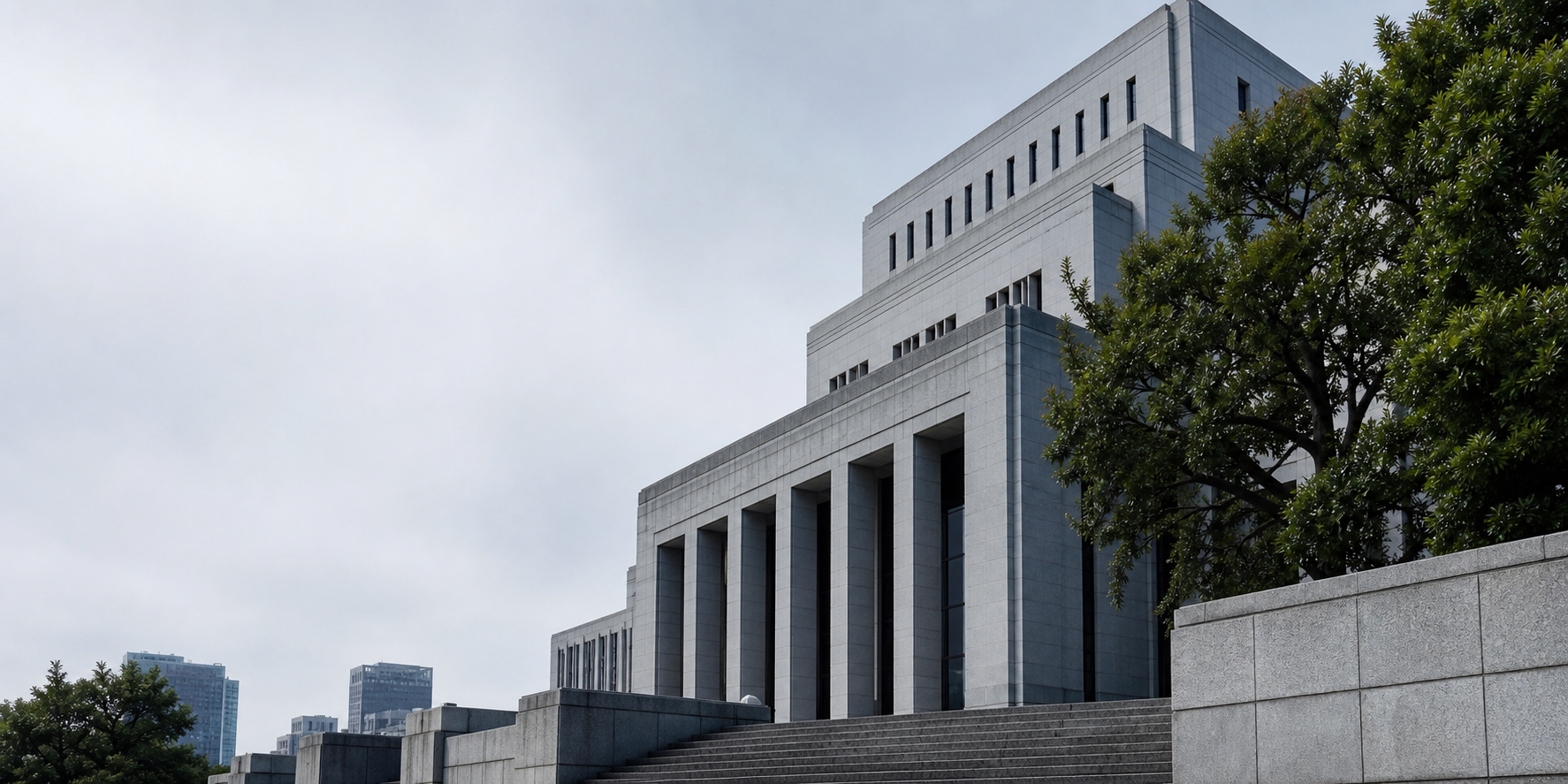
The Supreme Court's Third Petty Bench, presided over by Judge Erika Watanabe, has upheld a Tokyo High Court ruling that ordered the dissolution of the Family Federation for World Peace and Unification, formerly the Unification Church, under the Religious Corporations Act, and rejected the church's special appeal.
Decision based on harm from aggressive donation solicitations
Taking into account the extent, scale and organized nature of the harm caused by the church's aggressive solicitation of large donations, the court ruled that the dissolution order was 'necessary and unavoidable.' It also said the order did not violate Article 20 of the Constitution, which guarantees freedom of religion, bringing the series of court proceedings to a close.
The dissolution order took effect with the Tokyo High Court ruling in March, and liquidation proceedings by a court-appointed liquidator have already begun. With the Supreme Court's decision, the church has no way to preserve its status as a religious corporation.
Dissolution for legal violations is the third such case after Aum Shinrikyo and Myokakuji temple in Wakayama Prefecture. In the previous two cases, the groups' executives had been involved in criminal cases, while this is the first case based on civil-law torts.
Impact on religious activities examined
In the special appeal proceedings, the church argued that the dissolution order would strip it of assets such as facilities for worship and gatherings and, if all staff were dismissed, would make it impossible to carry out religious activities. It also argued that the high court ruling, which said the church could continue committing torts without concrete evidence, violated Article 20 of the Constitution and other provisions.
In the reasons for its decision, the Third Petty Bench said the dissolution order does not have the legal effect of prohibiting or restricting believers' religious acts, although it could disrupt religious activities through the disposal of worship facilities and other assets. It added that 'the importance of freedom of religion must be borne in mind and examined carefully.'
However, based on the extent, scale and organized nature of the harm recognized by the high court, the church's solicitation of donations clearly met the dissolution requirements set out in the Religious Corporations Act, the court said. It added that any disruption to religious acts caused by the dissolution would 'remain indirect and de facto in nature, associated with the order,' and would not prevent the group from continuing to exist as a religious organization.
Even taking into account the psychological and religious impact on the church and its followers, the court concluded that the dissolution order was 'necessary and unavoidable to deal with the church's conduct.' All four justices agreed, and Judge Masami Okino, an academic-turned-judge, did not take part in the proceedings.
Issue surfaced after shooting incident
The church's donation issue came to light after the shooting of former Prime Minister Shinzo Abe in July 2022. The government investigated the matter by exercising for the first time its right to ask questions under the Religious Corporations Act, and in October 2023 requested a dissolution order from the Tokyo District Court.
In March 2025, the Tokyo District Court ruled that civil torts related to donation solicitation constituted 'legal violations' under the dissolution requirements and ordered the church dissolved. The Tokyo High Court upheld that decision in March this year. The church, dissatisfied with the high court ruling, filed a special appeal and other petitions with the Supreme Court.
Enjoyed this article? Share it with your network!