





Alan Greenspan dies at 100
 2026-06-23
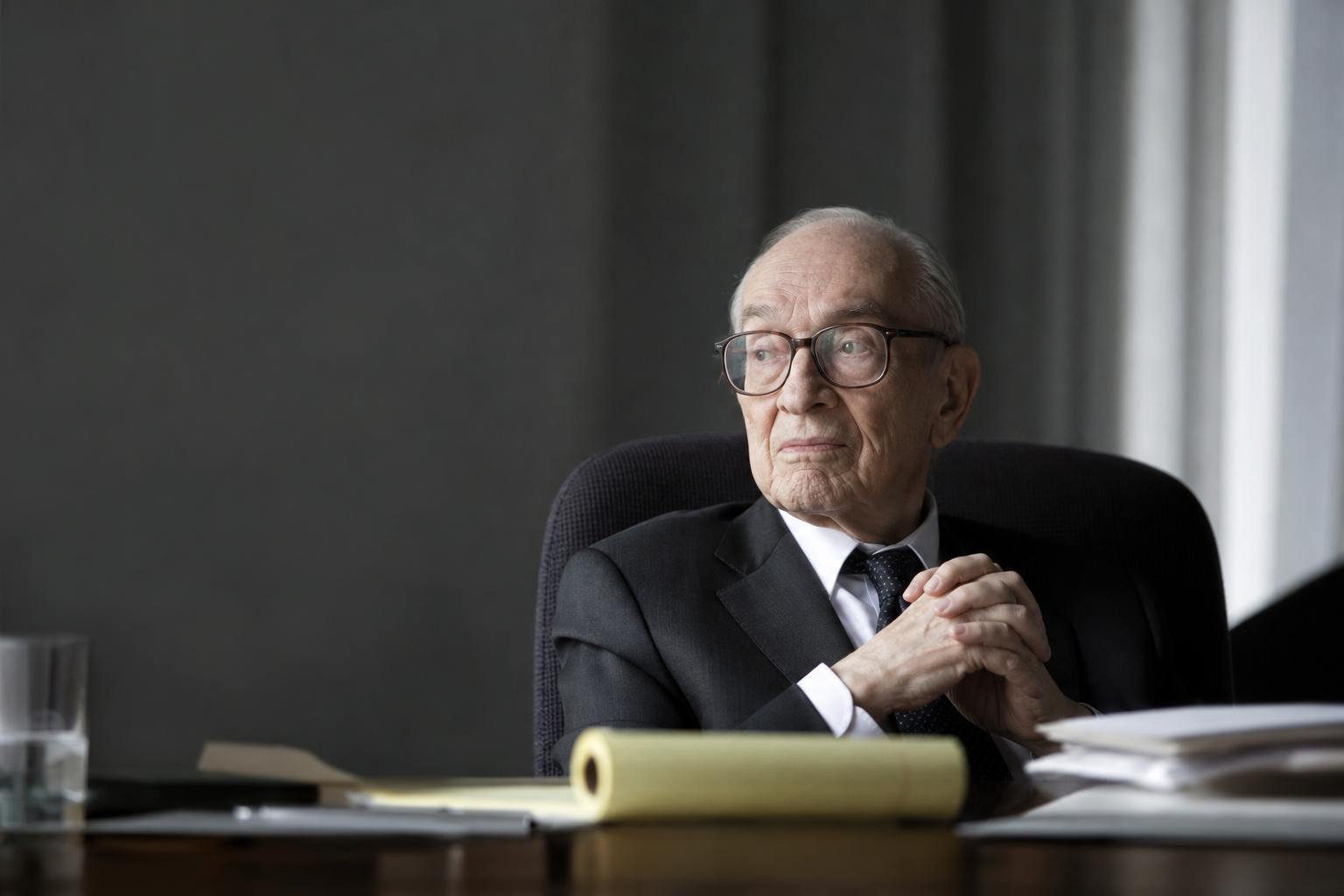
Former U.S. Federal Reserve Chair Alan Greenspan has died at the age of 100. Only recently, I had just heard from former Fed Vice Chair Donald Kohn, one of his close aides, that he had celebrated his birthday in March.
Little-known at the start of his term
Known as the 'Maestro', Greenspan did not have a smooth run from the start. When he was nominated in June 1987 to succeed Paul Volcker, who had built a reputation for fighting inflation, markets asked, 'Who is Greenspan?' The Reagan administration was seen as choosing Greenspan, viewed as pliant, to replace the difficult Volcker.
Within three weeks of taking office, Greenspan was already making his presence felt. On Sept. 4, he raised the discount rate to curb inflation. I had just arrived in New York at the time and remember rushing out the news of the sudden rate increase. Greenspan received a message from Volcker saying, 'Congratulations. Now you are a real central banker.'
Response to Black Monday and 1998
Just over a month later, on Oct. 19, the situation changed abruptly with the stock market plunge known as Black Monday. The Fed issued an emergency statement saying it was ready to provide abundant liquidity to the market, a move later credited with helping calm the panic. What stood out in that episode, however, was the human-scale image of a new chair who had succeeded a highly capable predecessor and navigated a crisis with support from experienced Fed officials.
When I was posted to Washington 10 years later, Greenspan was regarded as a 'god'. The peak came in the autumn of 1998. As markets were rattled by the Russian currency crisis from August and the collapse of a major hedge fund, the Fed cut rates by a total of 0.75 percentage point in three straight months from September.
The move eased the turmoil, and the term 'Greenspan put' spread on the view that the Fed would always rescue markets in a crisis. Greenspan himself was thought to have been uneasy with the worship, but that reputation helped fuel a larger bubble.
Criticized over the housing bubble
After leading the Fed for 18 and a half years, Greenspan stepped down in January 2006. He left to widespread praise, but the tide turned two and a half years later. In the wake of the global financial crisis triggered by Lehman Brothers' collapse in September 2008, he came under criticism for overlooking the build-up of the housing bubble.
In the U.S. presidential election in November that year, Barack Obama won against a backdrop of public anger over the economic crisis, becoming the first Black president. For his economic recovery team, Obama chose Volcker, his former rival. At that point, Greenspan appeared to return to being seen once again as a human being.
Kevin Warsh, who had idolized Greenspan, became Fed chair in May. Building a trusted Fed is an important task, but being too trusted also has pitfalls. Greenspan's career shows that.
Enjoyed this article? Share it with your network!