





U.S.-Iran Talks Continue in Switzerland, Focus on Nuclear Issue, Hormuz Strait
 2026-06-22
Points at issue
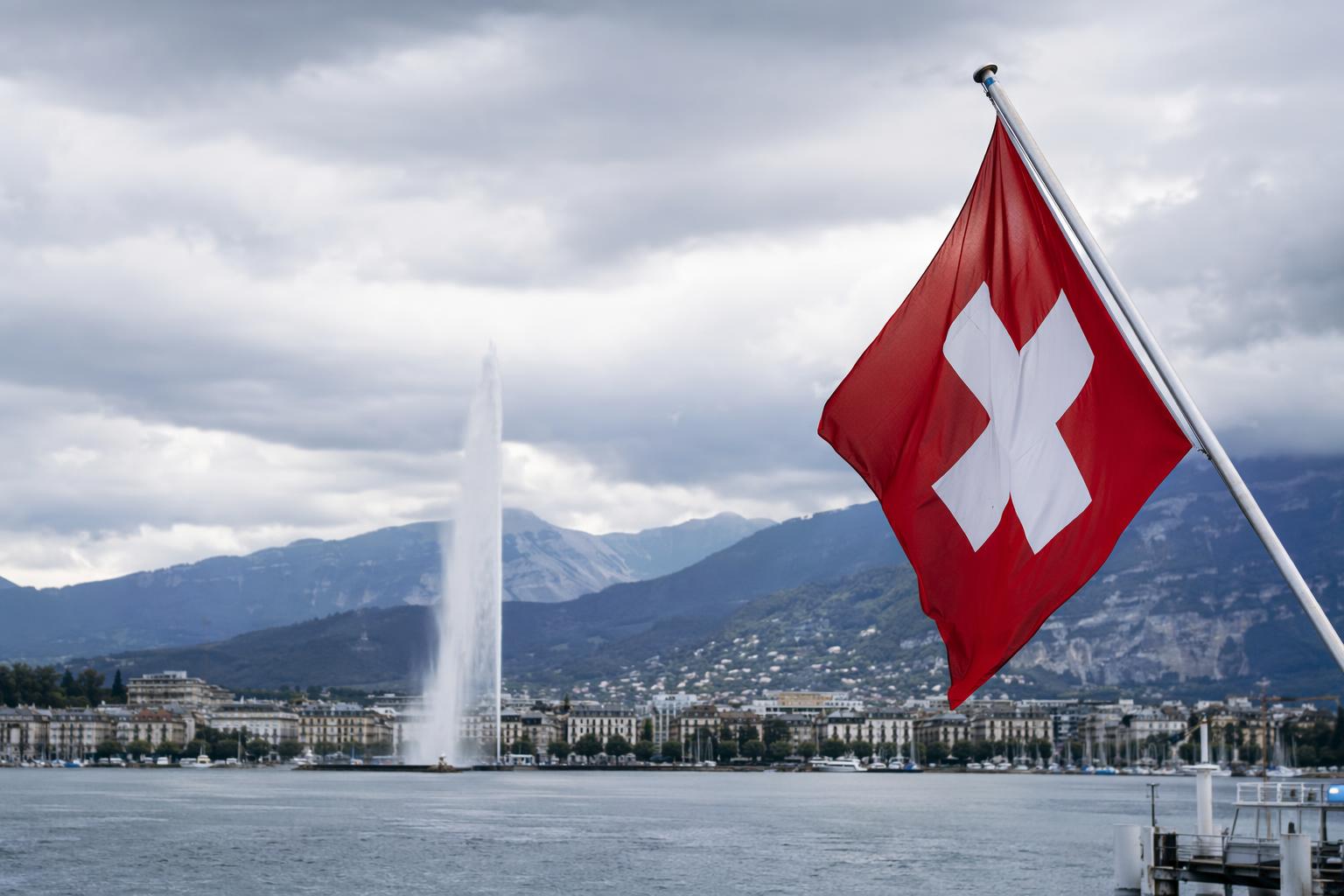
The United States and Iran held talks on June 21 in Buergenstock in central Switzerland aimed at ending the fighting. According to the U.S. side, discussions continued through the night into the early hours of June 22.
Vice President Vance, who leads the U.S. delegation, arrived in Switzerland on the morning of June 21 and is believed to have remained at the hotel hosting the talks into the early hours of June 22. The U.S. side says the main topics are maintaining full openness of the Strait of Hormuz, a ceasefire in Lebanon and Iran's nuclear issue.
This is the first high-level meeting since the signing of a memorandum on June 17. Representatives from mediators Qatar and Pakistan also joined, and as official U.S.-Iran talks, it marks about two months since ceasefire negotiations were held once in Pakistan in April. In addition to Vance, the U.S. side was represented by Steve Witkoff, special envoy for the Middle East, and Jared Kushner, son-in-law of U.S. President Donald Trump. On the Iranian side, Parliament Speaker Mohammad Bagher Ghalibaf and Foreign Minister Abbas Araqchi appeared.
Were the four-way talks briefly suspended?
The Iranian side has shown no sign of softening its hard line during the talks. In the four-country talks held in the afternoon with Pakistan and Qatar, the Iranian delegation did not take part in the opening remarks.
After greeting Pakistani Prime Minister Shehbaz Sharif at the venue, Foreign Minister Araqchi left once. Vance, Sharif and Qatar's Prime Minister and Foreign Minister Sheikh Mohammed then held talks, and the Iranian side entered the meeting room after the press corps had left.
When the U.S.-Iran talks began, Trump posted on social media that Iran was being pressured to stop the pro-Iranian group Hezbollah on the Lebanese front. He warned that if Hezbollah was not stopped, he would 'attack Iran again very hard'. In response, Tasnim News, which is close to the Revolutionary Guard, reported that the 80-minute talks were interrupted. English-language broadcaster Press TV reported that the Iranian delegation was protesting Trump's post and considering its response.
Meanwhile, the U.S. government said even in the early hours of June 22 that the Iranian delegation 'is at the negotiating venue' and stressed that the talks were continuing.
60-day talks based on memorandum
The talks are based on a memorandum remotely signed on June 17 by Trump and Iranian President Masoud Pezeshkian. The goal is a final agreement within 60 days, but the gap between the two sides remains wide and negotiations are expected to be difficult.
Before the talks, Vance told reporters that if Iran abandons the development of nuclear weapons, 'the United States is prepared to fundamentally transform its relationship with Iran'. He said confidence-building would be advanced and discussions on the nuclear issue would be brought into full swing.
Before the four-country talks, three-way talks were also held among the United States, Iran and Qatar. Iranian state broadcaster said the meeting focused on a ceasefire in Lebanon and the release of Iran's frozen assets. Qatar holds some of Iran's frozen assets.
Pressure over the Strait of Hormuz
The talks on June 21 were held while exchanges of attacks between Israel and Hezbollah continued in Lebanon. Even before entering the nuclear issue, a war of nerves has continued across the wider front.
The memorandum includes ending the fighting on all fronts, including Lebanon. Foreign Ministry spokesman Esmaeil Baghaei posted on social media on June 21 that 'it is impossible to move to the negotiation stage toward a final agreement without implementing the first item'.
Iran's military central command declared on June 20 that it would reclose the Strait of Hormuz, citing the situation in Lebanon. Fars News, which is close to the Revolutionary Guard, also posted on social media on June 21 that 'the Strait of Hormuz remains closed', signaling an intention to again halt traffic through the strait and increase pressure on the United States.
Trump criticized Iran's reclosure declaration in an interview with Fox News on June 21. He said 'we may take control of the Strait of Hormuz if necessary', suggesting that if no deal is reached the United States could manage the shipping lane and charge transit fees.
Enjoyed this article? Share it with your network!