





BOJ raises policy rate to 1.0%, halts bond taper in April 2027
 2026-06-16
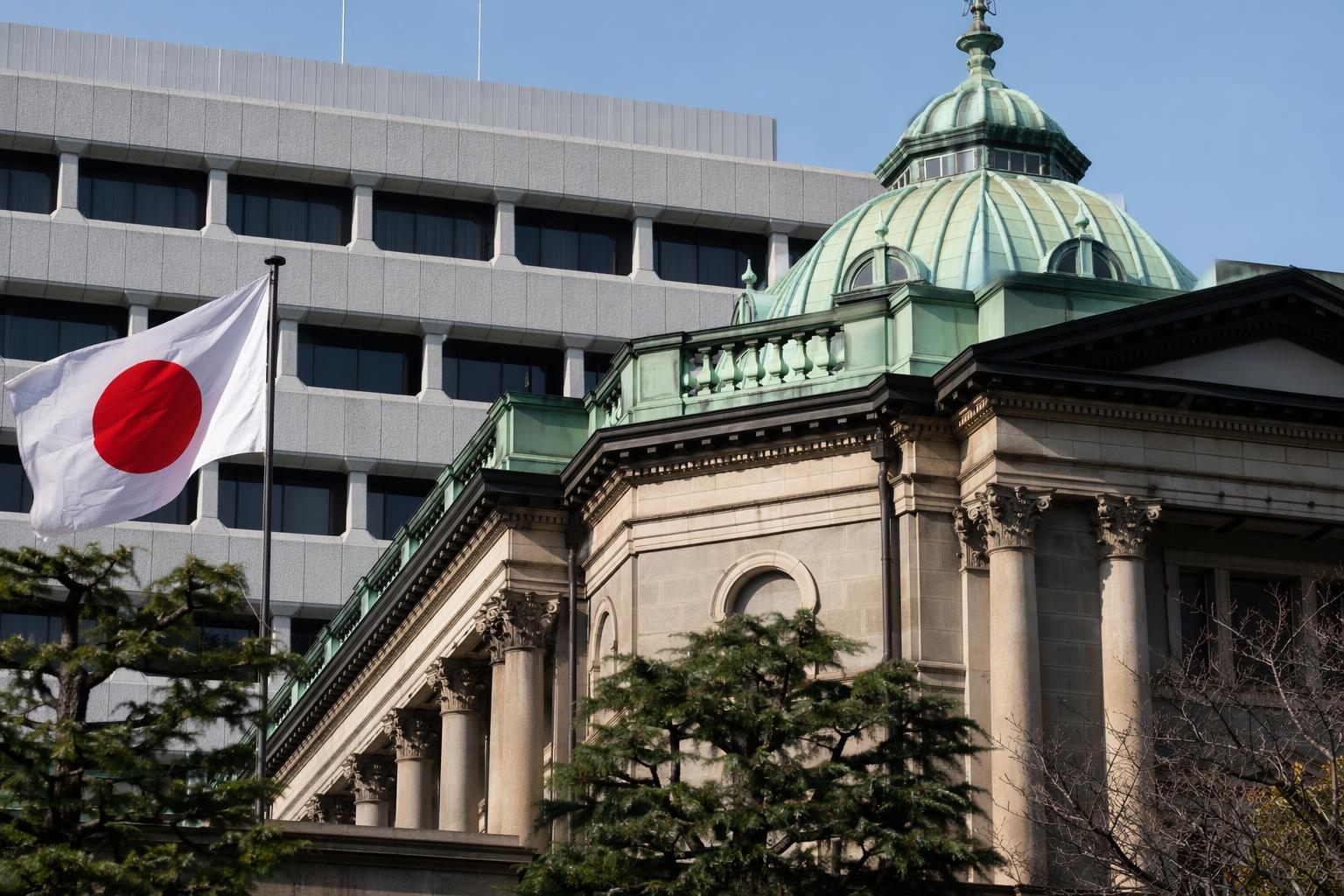
Policy rate raised to 1.0%
At its monetary policy meeting on the 16th, the Bank of Japan decided to raise its policy rate target for the unsecured overnight call rate from 0.75% to 1.0%. The move aims to curb the risk that higher oil prices, driven by heightened tensions in the Middle East, will spill over into prices. The central bank also said it plans to stop reducing its government bond purchases from April 2027 onward.
The rate hike is the first in four meetings, since the December 2025 meeting. The 1.0% policy rate is the highest level in 31 years, since 1995.
Wary of upside risks to prices
Governor Kazuo Ueda missed the meeting as he was hospitalized for treatment of an infectious disease. Deputy Governor Shinichi Uchida will hold a news conference from 3:30 p.m. on the 16th to explain the decision.
The policy decision was made by majority vote among eight policy board members excluding Ueda, with seven in favor of a rate hike. Policy board member Tohru Asada called for no change, saying the downside risks to production and employment were greater than the upside risks to prices.
At its previous meeting in April, the BOJ had refrained from raising rates while it assessed the situation, saying surging crude prices could work both to lift prices and to weigh on the economy. This time, it judged that the risk of faster price increases had become greater.
In the statement released after the meeting, the BOJ said price pass-through in transactions between firms was progressing at a somewhat faster pace, starting with the rise in crude oil prices, and added that this could spread to price increases across a wide range of items at the consumer level. It also emphasized that the underlying rate of price increases, excluding volatile factors, carries the risk of rising above the 2% price stability target.
Bond taper to stop in April 2027
On the economic outlook, the BOJ said the risk of a sharp economic slowdown had diminished somewhat compared with before. It cited strong corporate profits, wage hikes and government subsidies as factors supporting the economy, and also said the alternative procurement of raw materials with high dependence on the Middle East was progressing.
Bond purchase reductions will continue by 200 billion yen each quarter through January-March 2027, in line with the current plan. The bank then plans to stop reducing purchases in April that year and buy government bonds at a pace of about 2 trillion yen a month. Policy board member Naoki Tamura opposed ending the taper, saying the reductions should continue through January-March 2028.
Since its unprecedented easing starting in 2013, the BOJ has bought large amounts of long-term government bonds to push down long-term interest rates and help Japan escape deflation. However, the market function by which rates are determined through investors' trading has deteriorated significantly. Since it began reducing purchases in August 2024, rate formation based on supply and demand has been encouraged and market functioning has improved.
At the same time, there have been more episodes of instability in the bond market since 2025, including temporary sharp rises in interest rates. If the BOJ stops reducing purchases, concerns about worsening supply-demand conditions are expected to ease, which could help stabilize the market.
Enjoyed this article? Share it with your network!