





U.S.-Iran interim deal leaves gaps on frozen assets, Hormuz
 2026-06-15
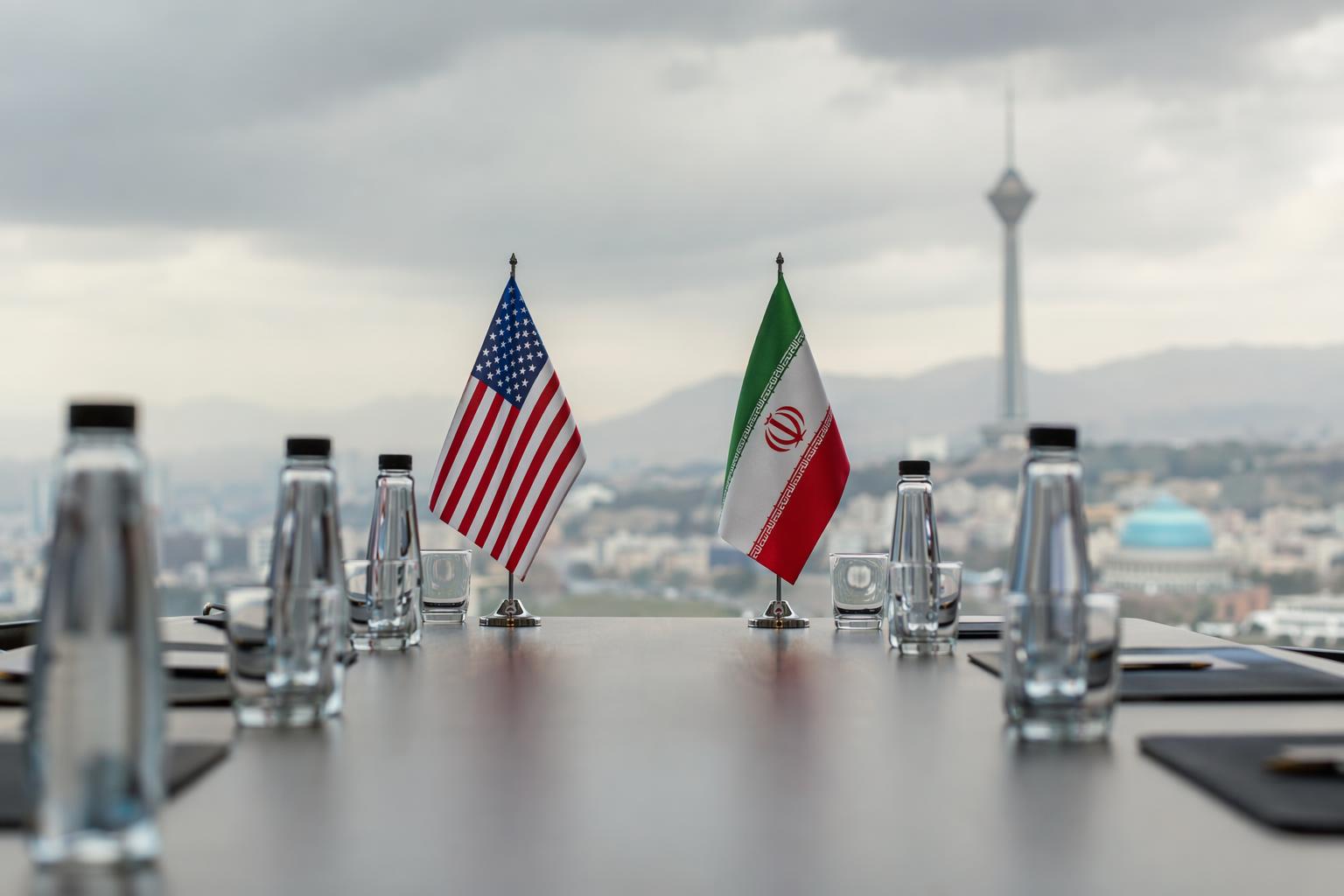
Deal details still unclear
The interim agreement announced by the United States and Iran to end fighting appears largely to have put difficult issues off for later. Major points of contention, including how to handle frozen assets and transit conditions in the Strait of Hormuz, remain wide apart, leaving room for disputes to flare again during the next 60 days of talks.
U.S. President Donald Trump said on his social media account on the 14th that he had achieved peace with Iran, something previous U.S. presidents had failed to do. The United States and Iran said the same day that they had agreed to a memorandum on ending fighting, but did not disclose the details. Talks toward a final agreement are due to begin on the 19th in Geneva, Switzerland, and it is unclear whether the gap between the two sides has been bridged.
Frozen assets and nuclear issue in focus
Iranian Deputy Foreign Minister Majid Takht-Ravanchi said on the 14th that participation in the 60-day talks after the signing ceremony would depend on the United States carrying out its commitments. At issue is the release of several billion dollars in Iranian assets frozen abroad.
The United States, meanwhile, is envisioning a results-based framework under which sanctions would be eased if Iran shows progress. A senior U.S. official said there is no plan to lift the asset freeze at the signing stage, and that relief would be provided in line with implementation.
Any easing of sanctions would also require Iran to abandon its nuclear development program and give up enriched uranium. U.S. Vice President JD Vance made clear that, in addition to Iran giving up the development and acquisition of nuclear weapons, opening the Strait of Hormuz would be a condition. However, the two sides remain at odds over the transfer of highly enriched uranium out of the country and enrichment for civilian use. Iran wants it diluted at home, while the United States is pressing for it to be moved to a third country.
Transit terms in the Strait of Hormuz also disputed
The gap in perceptions over the Strait of Hormuz is also large. Trump posted on the 14th on social media that no transit fee would be required for passage through the strait and that the U.S. Navy blockade would be lifted immediately. He indicated the strait would be open once the signing takes place on the 19th.
By contrast, Iranian Foreign Minister Abbas Araqchi on the 12th reiterated Tehran's longstanding position of collecting a 'service fee' in the Strait of Hormuz and jointly managing the waterway with Oman. It is also undecided when clearance of mines laid by Iran in the strait will be completed. An idea had also emerged to remove them within 30 days of signing and restore freedom of navigation as before the clashes, but the timing of normalization remains unclear.
Lebanon situation is another concern
The situation in Lebanon could also become an obstacle to the talks. Iranian media reported on the 15th that, as part of the agreement, fighting would end immediately and permanently on all fronts, including Lebanon. However, the U.S. side has not said that the situation in Lebanon is included in the ceasefire terms.
Another focus is whether the United States can rein in Israeli attacks on Lebanon and whether Iran can control the pro-Iran group Hezbollah. Israel attacked Lebanon even shortly before the United States and Iran announced the agreement. If attacks resume, the signing on the 19th itself could become unstable, and the two countries' memorandum still leaves a tinderbox that could bring tensions back to the surface.
Enjoyed this article? Share it with your network!