





BOJ rate-hike debate as Bessent pushes yen correction
 2026-06-14
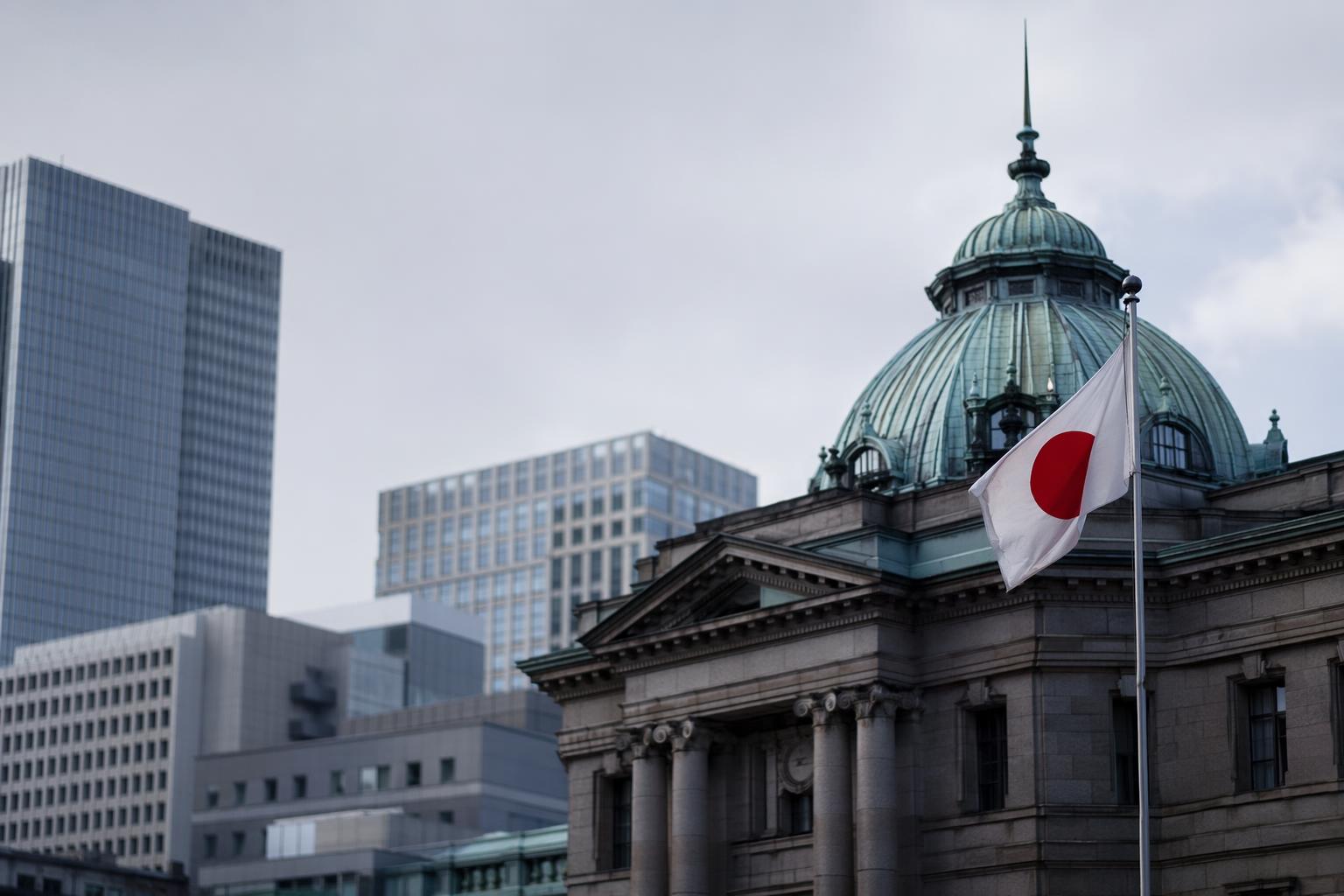
The Bank of Japan will discuss a rate hike for the first time in six months at its monetary policy meeting on 15-16, amid growing concern from US Treasury Secretary Scott Bessent over the simultaneous weakness in Japan's yen and bond market, which has prompted him to urge the BOJ to act.
Why Washington sees yen weakness
According to US officials, Bessent decided as early as February to visit Japan. On January 23, he carried out a rate check, a preliminary step before currency intervention, to curb speculative yen selling. The yen's downtrend continued after that, leading him to conclude that direct talks with Japanese officials were necessary.
Bessent has viewed the BOJ's delay in raising rates as the main driver of yen weakness. He has said that if the BOJ runs policy with a focus on inflation, the yen will settle at an appropriate level. At the same time, he has known BOJ Governor Kazuo Ueda for 10 years and called him 'a very good central banker', implying that the delay in rate hikes stems more from external pressure than from the BOJ's leadership.
His Japan trip was originally scheduled before the May 11-13 US-China leaders' meeting, but he ultimately prioritised meetings with Prime Minister Sanae Takaichi, Finance Minister Satsuki Katayama and Governor Ueda. He and Katayama agreed on curbing speculative yen selling, and according to Japanese and US diplomatic sources, they also reaffirmed the BOJ's independence. A bilateral meeting between the US Treasury secretary and the BOJ governor is unusual, and after Bessent left Japan early for an emergency meeting with China, it was carried over to the Group of Seven meeting in Paris on May 19.
Alert to unusual market moves
At a March summit between the US and Japan, Bessent likened the relationship between US President Donald Trump and Prime Minister Takaichi to that of former US President Ronald Reagan and former British Prime Minister Margaret Thatcher. Even so, around the same time, US currency officials told Japanese counterparts that Washington was instead concerned that Takaichi could end up in a situation similar to that of former British Prime Minister Liz Truss in 2022. In Britain that year, unfunded large tax cuts drove borrowing costs sharply higher and triggered the Truss shock.
In January, while visiting Switzerland, Bessent said Japan's bond market had seen a 'six standard deviation move', signalling strong concern. Six sigma refers statistically to an extremely unusual event that occurs only three to four times in a million. What US officials viewed as problematic was that Japanese rates were rising while yen selling was also taking place. Normally, higher rates would support yen buying, but in January the 40-year bond yield briefly rose above 4% even as the yen fell to the 159 per dollar range.
Japanese institutions net sellers of US Treasuries
At the centre of Bessent's concern is the risk that a sell-off in the currency and bond markets, or 'selling Japan', could trigger sales of US Treasuries by Japanese institutional investors and push US yields higher. Citigroup warned in January that the rise in yen rates could prompt as much as $130 billion in US Treasury selling.
The longer-term answer is to restore confidence in Japan's public finances, but in the short term, curbing yen weakness is seen as effective. That is because it can ease surrenders of foreign-currency-denominated insurance policies and rising hedging costs, while also reducing foreign bond selling by institutional investors.
Japanese institutional investors became net sellers of more than 5 trillion yen in US Treasuries in February and March, then turned to a net purchase of 0.3 trillion yen in April. The Finance Ministry and the BOJ carried out yen-buying intervention during the long holiday period, and US officials also took a permissive stance, saying they were 'in close contact with Japan' to rein in yen weakness.
Bessent is known as a Japanophile with more than 50 visits to the country. During his time as an investor in 2013, he is said to have made more than $1 billion from shorting the yen during the Abenomics rally, but now, as Treasury secretary and the official overseeing the US Treasury market, he is also keeping a close eye on stability in the yen.
Enjoyed this article? Share it with your network!