





U.S., Iran move closer to signing ceasefire deal, key issues remain
 2026-06-14
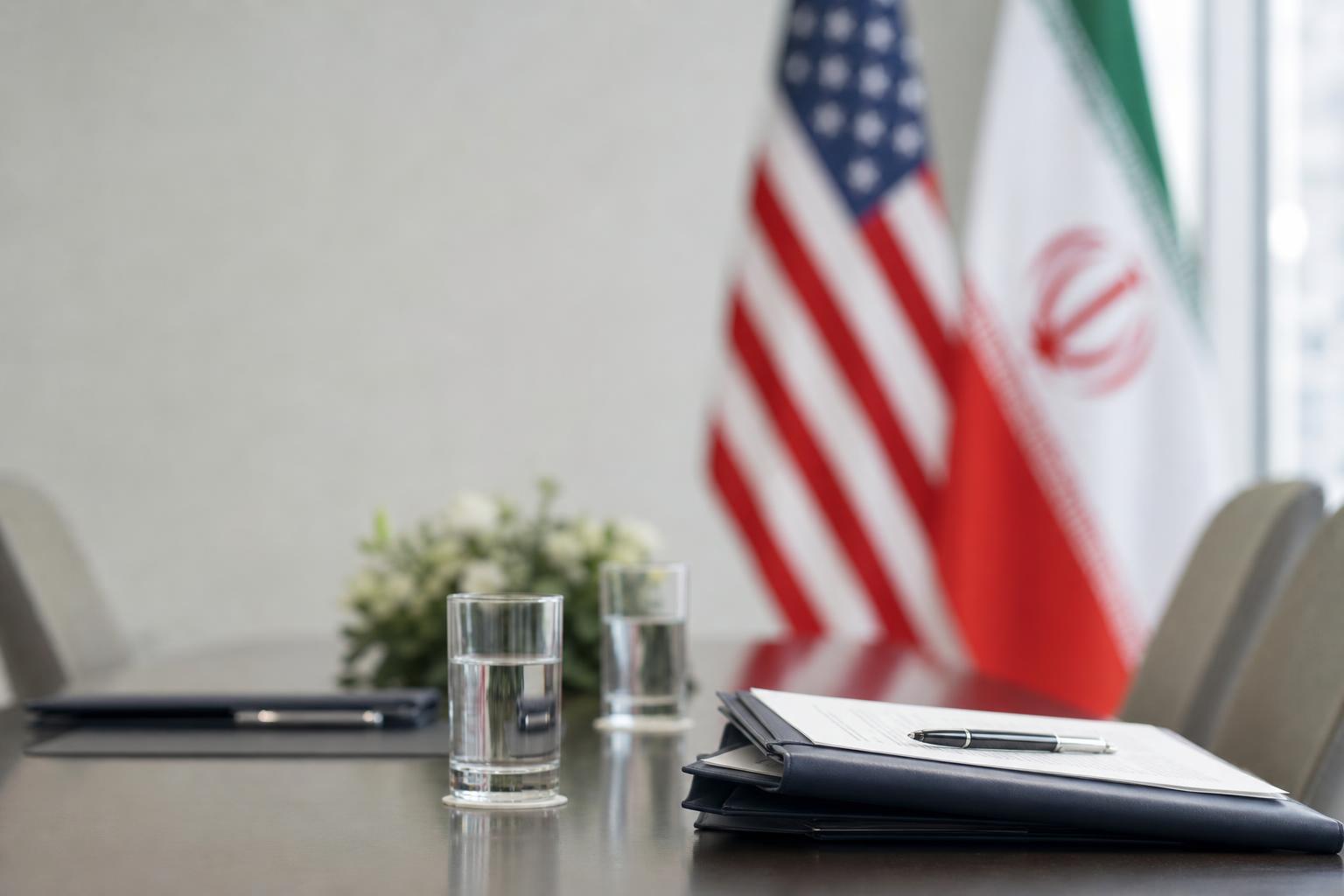
The United States and Iran are moving closer to signing an agreement to end hostilities. U.S. President Donald Trump posted on social media on the afternoon of the 13th that a signing was scheduled for the next day. However, differences in views between the two sides over the handling of the Strait of Hormuz and the nuclear issue may still remain.
Three key points of contention
In negotiations so far, the Strait of Hormuz, Iran's nuclear development and economic concessions for Iran have been the three main points of contention. On the Strait of Hormuz, Trump said the waterway would be opened 'to everyone' immediately after the agreement was signed. According to a senior U.S. government official, transit would resume immediately and the U.S. naval blockade on Iran would be lifted at the same time. However, the United States does not plan to allow Iran to collect transit fees.
Gap with Iran's position
In contrast, Iranian Foreign Minister Abbas Araqchi said on the 12th that Tehran would continue its long-held position of collecting 'service fees' in the Strait of Hormuz and jointly managing it with Oman, local media reported. Even if transit resumes after a deal is signed, room would remain for Iran to charge fees under a different name. There are concerns that shipping would not return to the fee-free freedom of navigation that existed before the U.S. and Israeli attacks on Iran in late February.
Nuclear issue and economic terms
There is also no agreement on the nuclear issue. Trump stressed that the deal he is seeking would serve as a 'wall against nuclear weapons', saying, 'In fact, they no longer want nuclear weapons and will not possess them by import, development or any other means.' As a means of doing so, he said remaining highly enriched uranium in Iran would be diluted and removed 'at an appropriate time when everything has settled'. The U.S. government has said the agreement document will include the dismantling of Iran's nuclear development program and the abandonment of enriched uranium, and that details will be worked out in technical talks after signing.
Iran's position, meanwhile, remains vague. Araghchi has said the agreement is divided into two stages and that the nuclear issue will not be discussed in the first stage. There is a risk that the United States and Iran may differ in their understanding of how the nuclear issue is positioned in the 'agreement document' they are now seeking to sign.
What Washington attaches importance to are the economic terms. Iran has demanded the release of frozen assets and the lifting of sanctions, including embargoes. Araghchi has indicated that frozen assets and sanctions are also included in the agreement document. The U.S. side sees economic concessions as the biggest incentive for Iran to carry out the agreement on the nuclear issue. Trump said that if Iran's actions on the nuclear issue are confirmed, it would be 'released from economic pressure'. A senior U.S. government official said no economic benefits would be given at the time of signing, and that sanctions would be lifted gradually in line with implementation.
Showcasing a domestic achievement
Trump has stressed that the latest deal is 'the exact opposite' of the 2015 nuclear agreement led by former President Barack Obama. If the signing is completed, he is expected to tout at home that, after large-scale attacks on Iran, he struck a deal superior to previous frameworks. There is also an intention to present it as an achievement of the administration ahead of the November midterm elections.
Iran is also being careful not to be seen as having made concessions to the United States. A spokesman for Iran's Foreign Ministry said on the 13th that it would not sign on the 14th, while adding that 'there is a possibility of signing within days' and declining to specify a date. Reuters reported on the 14th, citing informed sources, that a Qatari delegation acting as mediator had headed to Tehran, the Iranian capital, as part of efforts toward a U.S.-Iran agreement.
Enjoyed this article? Share it with your network!