





OPEC Plus to Maintain Output Increase in July on Hormuz Recovery View
 2026-06-07
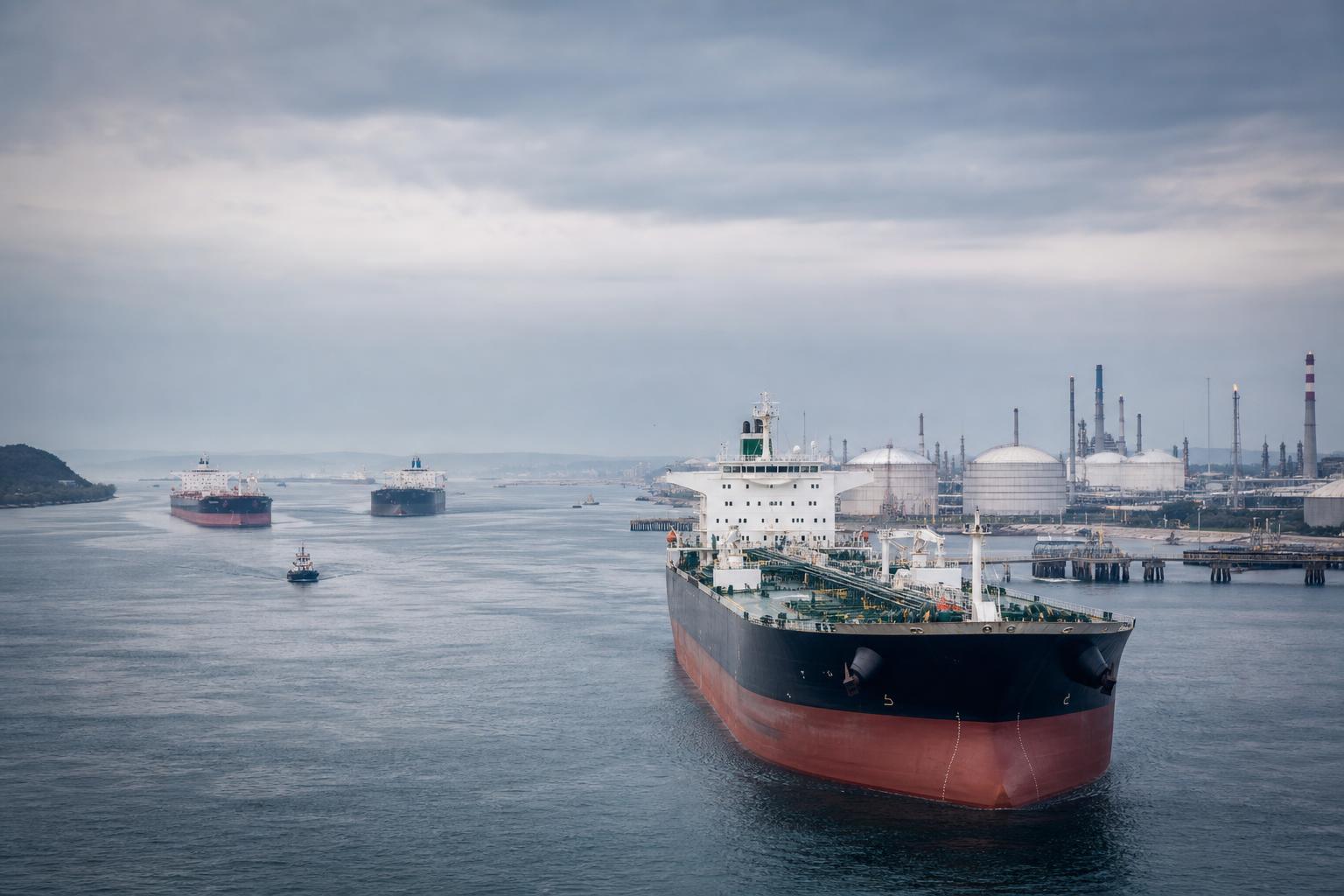
OPEC Plus volunteer countries held their monthly meeting on the 7th and decided to continue raising production quotas in July. The move is aimed at putting in place a framework that can quickly lift output in preparation for a recovery in traffic through the Strait of Hormuz.
Production quota increase extends for a fourth month
Seven volunteer countries, including Saudi Arabia, Iraq and Russia, agreed to raise production quotas by 188,000 barrels a day. The increase is the same as in June, marking a fourth straight month of output expansion from April. If this pace continues, the countries' voluntary cuts will end in September.
Supply recovery remains uncertain
With the de facto blockade of the Strait of Hormuz continuing, actual production has still failed to gain momentum. As of April, the seven countries had a production capacity of 30 million barrels a day, but output stood at just 21.4 million barrels, leaving utilization at around 70%. It is highly likely that there was little improvement after May as well.
High crude prices weigh on demand
Crude prices are currently running about 30% above levels seen before the conflict with Iran. Brent crude futures, the international benchmark, were around $93 a barrel as of the 5th. While that is down nearly 30% from the $126 area at the end of April, it remains above the $72 level seen at the end of February.
The prolonged closure of the strait continues to support supply concerns, while lower demand due to high crude prices is also coming into focus. Even if the United States and Iran agree to end the fighting, many believe it will take time to normalize supply chains, including removing mines that are said to have been laid in the strait and arranging transport tankers. The next meeting will be held on July 5.
Enjoyed this article? Share it with your network!