





ENEOS crude tanker completes unloading at Negishi refinery in Yokohama
 2026-06-06
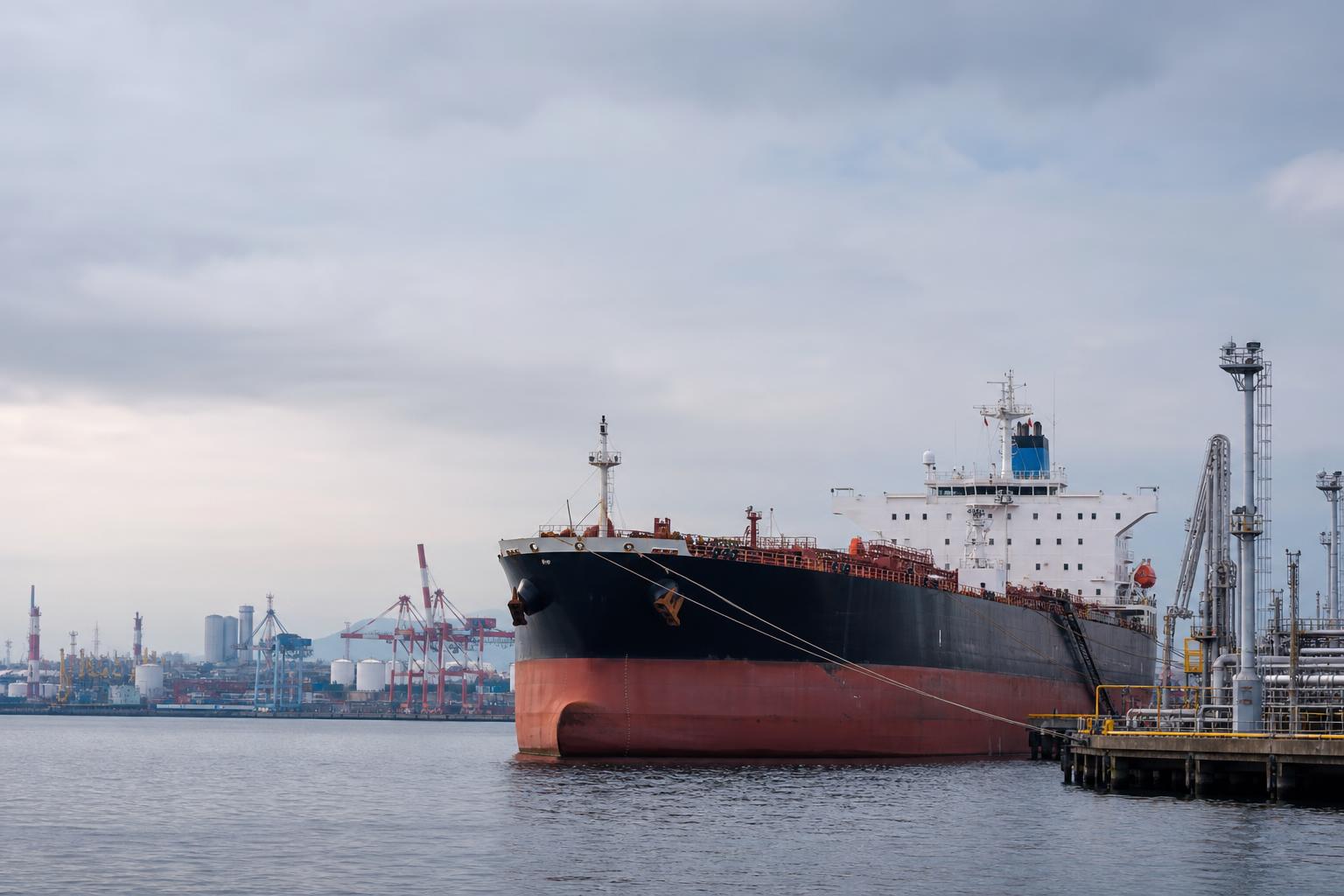
ENEOS Holdings Inc.'s crude tanker Eneos Endeavour arrived at the Negishi refinery in Yokohama on the 6th and completed unloading. It was the second tanker to return home after passing through the Strait of Hormuz amid heightened tensions in the Middle East, and had arrived in Japan on the 3rd.
Carries 2.15 million barrels from Kuwait and elsewhere
Eneos Endeavour followed Idemitsu Kosan's Idemitsu Maru in returning home. It was carrying 2.15 million barrels of crude from Kuwait and the United Arab Emirates (UAE), and unloaded 900,000 barrels at ENEOS' Kiire terminal in Kagoshima on the 3rd. It then headed to the Negishi refinery and docked at a dedicated pier off Yokohama shortly after noon on the 6th. It unloaded the remaining 1.25 million barrels.
Equivalent to about eight days of processing capacity
Based on the processing capacity of the Negishi refinery, the volume unloaded this time is equivalent to about eight days of supply. In addition to producing gasoline and diesel from crude oil, it also makes naphtha, a basic chemical essential to daily life.
ENEOS continues to diversify supply sources
After unloading, ENEOS has not disclosed where Eneos Endeavour will next source crude oil from. ENEOS is advancing diversification of supply sources, including from the US, and said it is 'working proactively to secure crude that does not pass through the Strait of Hormuz'.
Meanwhile, Prime Minister Sanae Takaichi said on May 25 that stable crude oil supplies could be maintained through spring 2027. However, the outlook for ceasefire talks between the US and Iran remains unclear. Regarding the Hormuz blockade, seven crude tankers on Japan-related routes, including cargo for other companies, and 38 vessels in total including other cargoes have been stranded, and it will still take time before supply chains return to normal.
Enjoyed this article? Share it with your network!