





UNESCO advisory body recommends Asuka-Fujiwara capital ruins
 2026-06-05
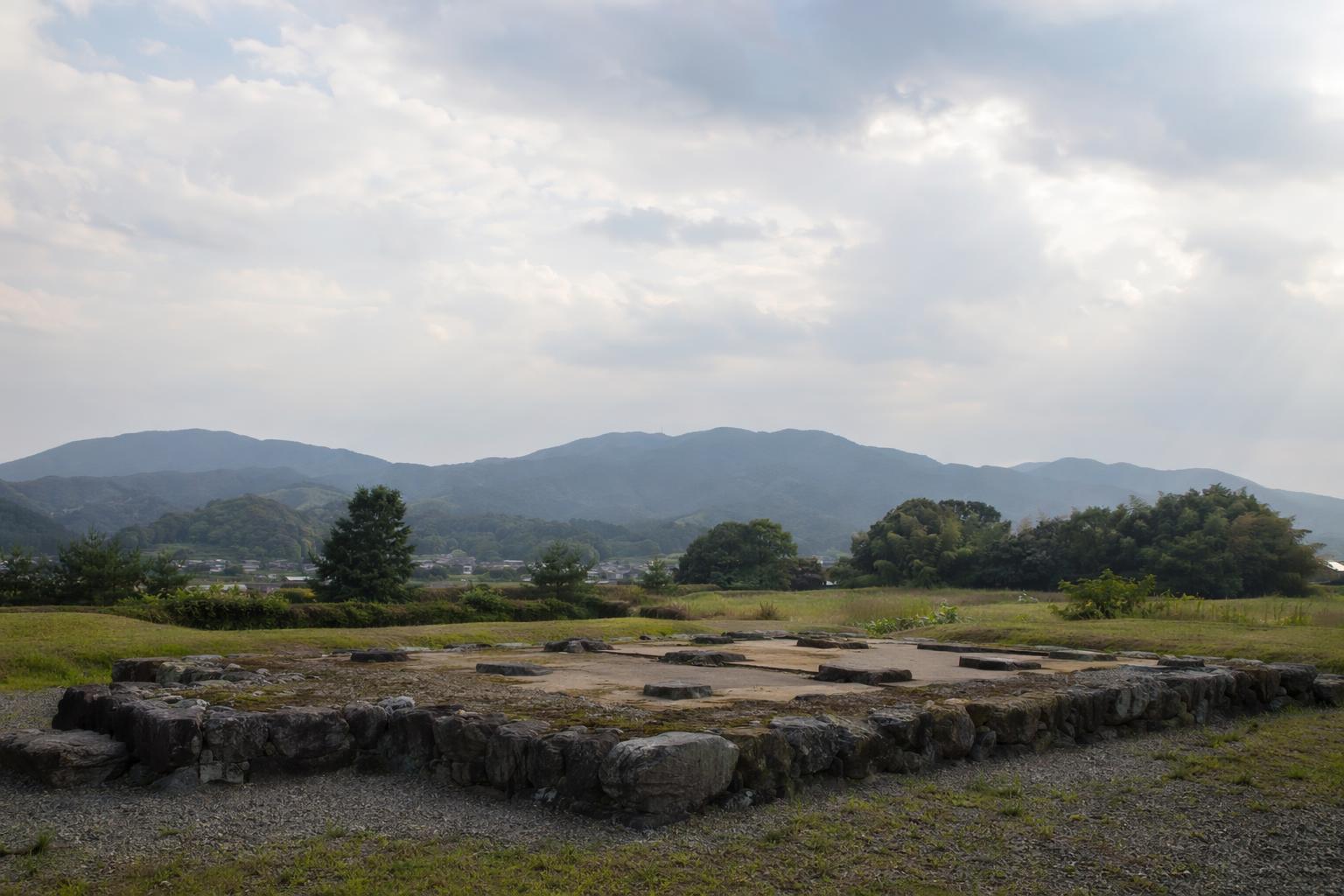
Japan's Agency for Cultural Affairs said on the 6th that an advisory body to the United Nations Educational, Scientific and Cultural Organization, or UNESCO, had recommended the group of ruins known as the Asuka-Fujiwara capital in central Nara Prefecture for inscription as a World Cultural Heritage site. The component properties, which show the formation of an ancient state, were recognized as having 'outstanding universal value' for humanity.
Final inscription is expected to be decided at the UNESCO World Heritage Committee, which will meet in Busan, South Korea, from July 19 to 29. If listed, Japan's World Heritage tally would rise to 27, including 22 cultural properties and five natural sites.
Assessment and concerns over the recommendation
The recommendation said the site met the criterion of being 'unique, or at least rare, as material evidence of cultural traditions or civilization passed down.' While citing concerns over residential development and the impact of natural disasters, it judged the current condition of the site to be 'appropriately managed.'
Education, Culture, Sports, Science and Technology Minister Yohei Matsumoto said, 'I am very pleased that our country's valuable cultural heritage has received high international praise. We received a recommendation that can be called almost perfect, with no particular reservations for any of the component properties.'
19 assets showing the history of the Asuka period
The Asuka-Fujiwara capital consists of 19 properties in total, including the remains of imperial palaces, Buddhist temple ruins and tombs built during the Asuka period, from the late sixth century to the early eighth century. Influenced by mainland China and the Korean Peninsula, they show the process by which Japan first established a centralized system and developed into a ritsuryo state.
The core properties are the Asuka Palace site in Asuka village, Nara Prefecture, which was the stage for the Taika Reform, and the Fujiwara Palace site in Kashihara, the same prefecture, which was the center of Fujiwara-kyo, Japan's first full-scale planned capital built afterward. It served as the center of politics and culture until the capital was moved to Heijo-kyo in 710.
Other component properties include the Kitora Tomb, where images of the four guardian deities and astronomical charts are painted; the Takamatsuzuka Tomb, where the vividly colored mural known as the Asuka Beauty was found; and the Ishibutai Tomb, which is believed by some to be the tomb of Soga no Umako.
The vivid murals in the Kitora Tomb and Takamatsuzuka Tomb are regarded as valuable heritage that conveys to future generations the spread of ideas and art across the East Asian world. They were discovered one after another from the 1970s onward and helped drive a boom in interest in Japan's ancient history.
The Asuka-Fujiwara capital was placed on UNESCO's tentative list in 2007, and Japan's Council for Cultural Affairs selected it as a candidate for recommendation in 2024. World Heritage sites are reviewed by the UNESCO World Heritage Committee under the World Heritage Convention, which decides whether to inscribe them. The country that holds the site is responsible for protecting it properly.
Enjoyed this article? Share it with your network!