





Gold tops U.S. Treasurys at 27% of global reserves
 2026-06-03
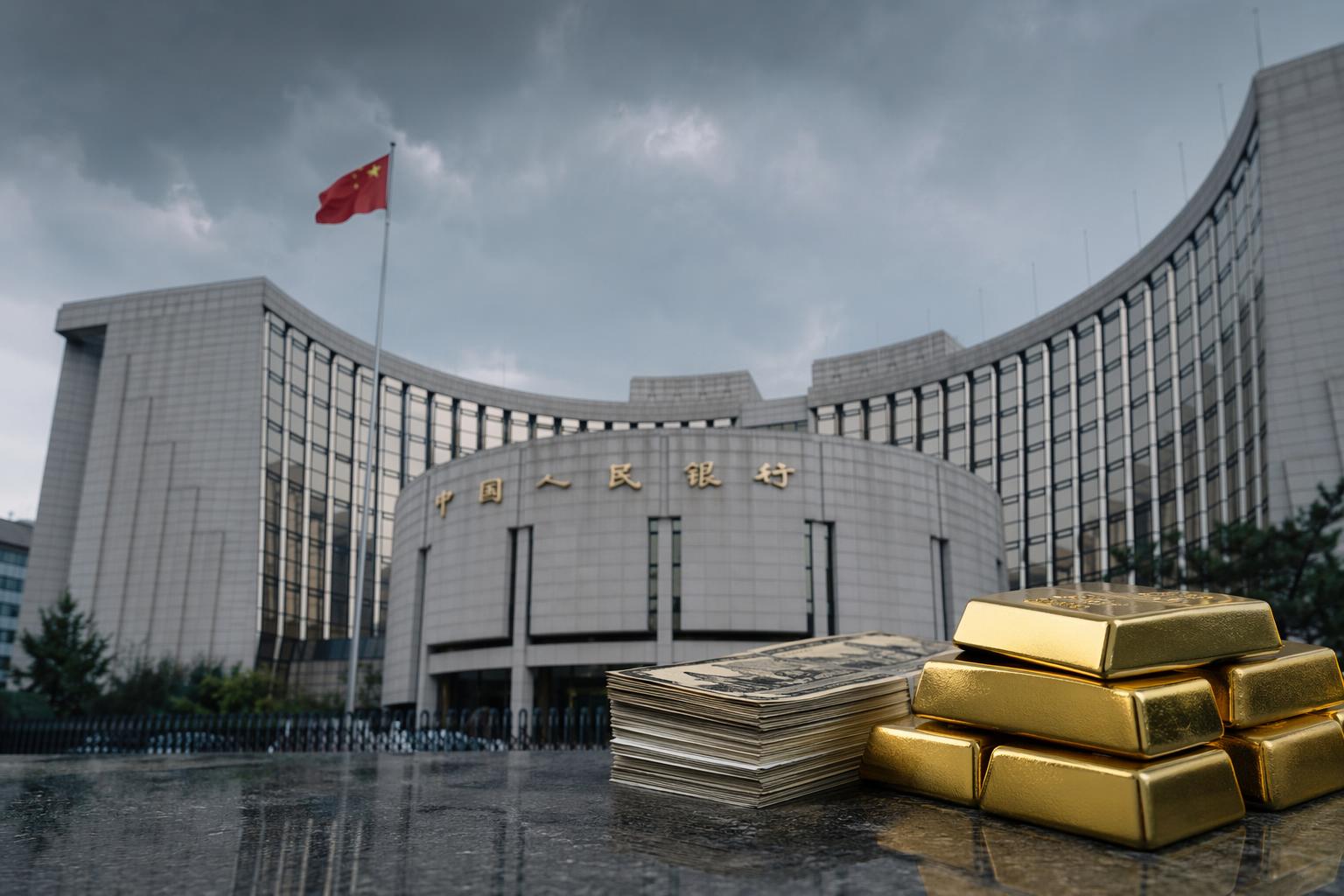
Gold overtakes U.S. Treasurys in central bank reserves
Gold accounted for 27% of global central bank foreign exchange reserves in 2025, surpassing U.S. Treasurys for the first time in about 30 years, the European Central Bank said on the 2nd. The shift reflects countries including China and India reducing their reliance on U.S. assets amid concern over Washington's influence.
ECB reveals the figures
The European Central Bank released the data the same day. The share of U.S. Treasurys fell to 22% from 26% in 2023. According to Reuters, gold has not exceeded Treasurys since 1996.
Central banks around the world have long kept U.S.-dollar assets, led by U.S. Treasurys, as the core of their reserves because they are highly liquid and considered safe. U.S.-dollar assets still account for about 40% of total reserves, but that share has been declining year by year.
U.S. Treasury Department data showed outstanding Treasury issuance stood at $30.8 trillion at the end of March. Of that, $9.3 trillion was held by global central banks and institutional investors, equal to 30.3% of the total. That was the lowest level since the end of January 2025 and almost halved from the 2008 peak.
In trading from April 2025 to March 2026, China was the biggest seller, posting net sales of $140 billion, or about 22 trillion yen. Net selling by major Global South economies such as India and Brazil also stood out.
Sanctions and fiscal worries drive gold demand
Gold's share of reserves rose from 16% at the end of 2023 to 27% at the end of 2025. A major factor is that countries are reassessing their concentration in U.S. assets. Russia's invasion of Ukraine and the freezing of Russian dollar assets by the United States and others showed the power of financial sanctions and heightened caution.
Concerns over the U.S. fiscal outlook are also growing. The 10-year Treasury yield, a benchmark for long-term interest rates, rose to around 4.3% at the end of March from roughly 3.9% at the end of February. Capital Group, a U.S. asset manager, said: 'As it became clear that reducing the fiscal deficit was not a priority for the Trump administration, concerns over the sustainability of U.S. debt and the strength of the dollar increased.'
Gold's price surged 60% in 2025, lifting the nominal value of holdings. The ECB said that while gold is more volatile than other major currencies and has physical storage costs, central banks in geopolitically exposed regions such as China and Poland have been increasing purchases as a hedge.
Shift away from Treasurys likely to continue
The global move away from U.S. Treasurys is likely to continue. In an institutional investor survey conducted by Capital Group in February and March, 72% said they expect Treasurys to lose ground as a safe asset. By contrast, 27% said they do not expect confidence to decline.
ABP, the Netherlands' largest pension fund, has been reducing its Treasury holdings since March last year. Its holdings stood at 14.9 billion euros, or about 2.8 trillion yen, at the end of December, nearly half of what they were at the end of March last year. Danish pension fund AkademikerPension said in January it planned to cut its Treasury holdings by $100 million by the end of the month.
Investment heads in the Nordic pension industry told Reuters they view holdings of dollars and Treasurys as a risk, citing uncertainty over U.S. foreign policy and rising debt levels.
Bart Clark, chief executive officer of Canada's public pension fund Ontario Municipal Employees Retirement System (OMERS), said he had held Treasurys to prepare for turmoil in the stock market, but confidence has weakened amid rising inflation risks and uncertainty over U.S. fiscal policy. He said investors should consider bonds with different maturities, inflation-linked bonds and currency diversification.
Enjoyed this article? Share it with your network!