





USTR Unveils Additional Tariff Proposal for 60 Countries, Regions
 2026-06-03
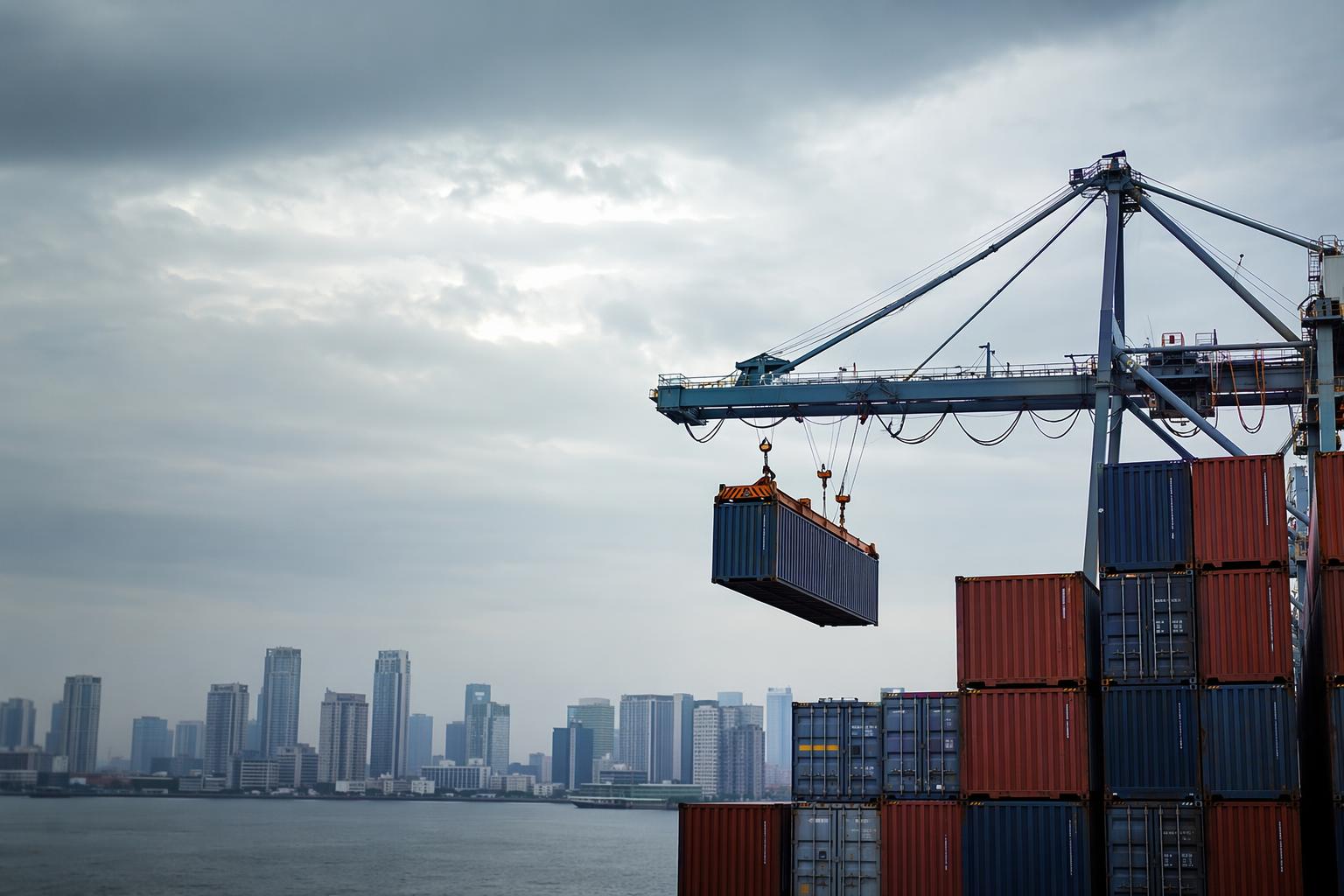
The Office of the U.S. Trade Representative (USTR) on Wednesday proposed imposing additional tariffs of up to 12.5% on 60 countries and regions, including Japan, saying measures against forced labor are insufficient. The timing of implementation has not yet been set, and a final decision is expected after a hearing in July.
Outline of the tariff proposal
The new additional tariffs would be based on Section 301 of the Trade Act. USTR has been considering them as an alternative to reciprocal tariffs that the U.S. Supreme Court ruled unconstitutional, and a 10% tariff under Section 122 of the Trade Act is currently in place as an interim measure.
It proposed a 12.5% additional tariff on imports from countries such as Japan that have not introduced bans on imports of products made with forced labor. By contrast, the rate would be capped at 10% for a total of 14 countries and regions, including the European Union, Indonesia and Mexico, which have introduced such bans, as well as Argentina and Cambodia, which pledged forced-labor countermeasures in trade agreements with the Trump administration.
Exemptions and report
Products subject to sector-specific tariffs on automobiles, steel and aluminum, and semiconductors, among others, as well as many food items, would be excluded from the additional tariffs. USTR also released a report, citing solar panel materials and cotton produced in China's Xinjiang Uyghur Autonomous Region, rice from Myanmar and beef from Brazil as examples of forced labor.
USTR argued that there is a risk these products could be rerouted to the United States via countries that have not imposed bans. Meanwhile, some trade policy experts said such explanations were 'nothing more than a pretext to impose new additional tariffs'.
Enjoyed this article? Share it with your network!