





US-Iran talks falter after Netanyahu's strikes on Lebanon
 2026-06-02
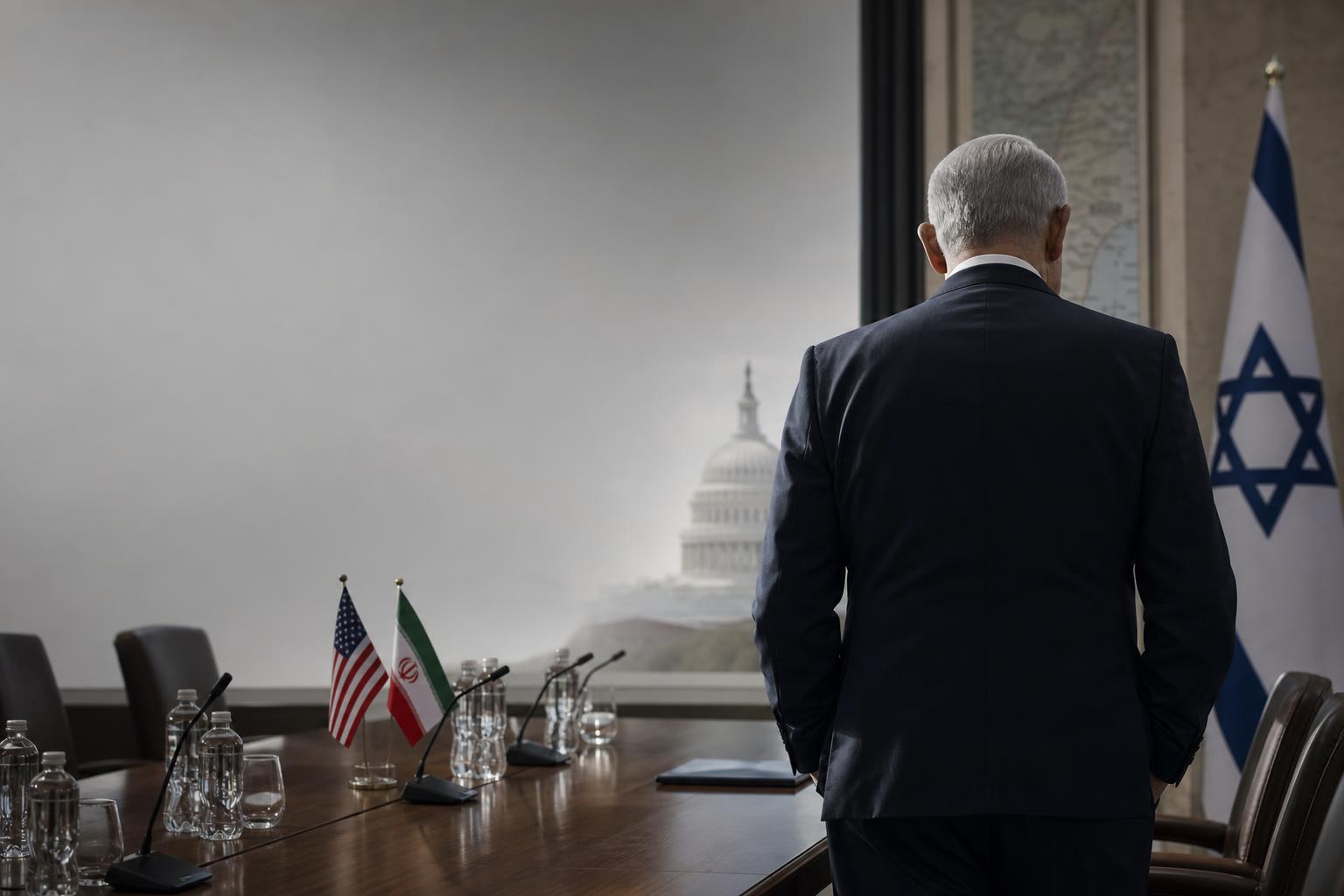
Netanyahu's decision is shaking US-Iran talks. The Iranian side has halted contact with the US, citing Israel's attacks on Lebanon.
Trump exerts pressure
According to the US news site Axios, President Donald Trump harshly criticized Netanyahu in a phone call on the 1st. He reportedly scolded him, saying, 'You are crazy!' and 'What on earth are you doing?' Before the call, Netanyahu had ordered the military to attack areas on the outskirts of Beirut, the Lebanese capital. The target was an area where Hezbollah's command functions are concentrated.
Trump asked that the attack on Beirut be called off. Iran's Tasnim news agency reported on the 1st that, in response to Israel's attacks on Lebanon, Iran had stopped contact with the US through mediators. Iran has so far demanded a ceasefire across the region, including Lebanon, as a condition for ending hostilities with the US.
The outlook for ceasefire talks
Trump has supported Netanyahu until now, defending him and even seeking pardons over corruption allegations involving him. According to Axios, Trump said, 'I saved you,' and argued that Netanyahu was ungrateful.
The Israeli military appears to have held off on the Beirut strike. Trump claimed on the 1st that he had also spoken with Hezbollah leaders and said both sides had agreed to stop attacking.
Trump told ABC News on the same day that he would reach an agreement with Iran 'within the next week'. He is pushing to secure the opening of the Strait of Hormuz, a key energy shipping route, but it remains unclear whether a deal can actually be reached.
Israel says its military operations will continue because Hezbollah has not made progress on disarmament. The Lebanese government says it intends to move ahead with the response, but it is expected to take time, and Israel is prepared to contain Hezbollah through military force.
Domestic politics also in play
Hezbollah has continued attacks on Israel using drones and other means, posing an immediate threat, especially to residents near the Lebanese border. There is also broad support in Israel for continuing military operations, and skepticism about a US-Iran deal remains strong.
In a public opinion poll conducted by the Israel Democracy Institute from April 9 to 12, 69% answered negatively when asked whether they thought Israel's security would be taken into account in a US-Iran agreement.
Netanyahu also appears to want to regain support by scoring gains in Lebanon and Iran. Israel is due to hold a general election by October, and his approval ratings have been depressed over issues including the so-called judicial overhaul, which would weaken the courts. He is also under pressure over responsibility for failing to prevent the surprise attack by the Islamist group Hamas in October 2023, and is seeking a comeback.
Israel and Lebanon agreed to a ceasefire in mid-April, but fighting has continued even after Netanyahu responded to US pressure, effectively rendering the truce a dead letter. The death toll in Lebanon has exceeded 3,000 since March.
Enjoyed this article? Share it with your network!