





Japan population falls to 123.05 million as decline widens
 2026-05-29
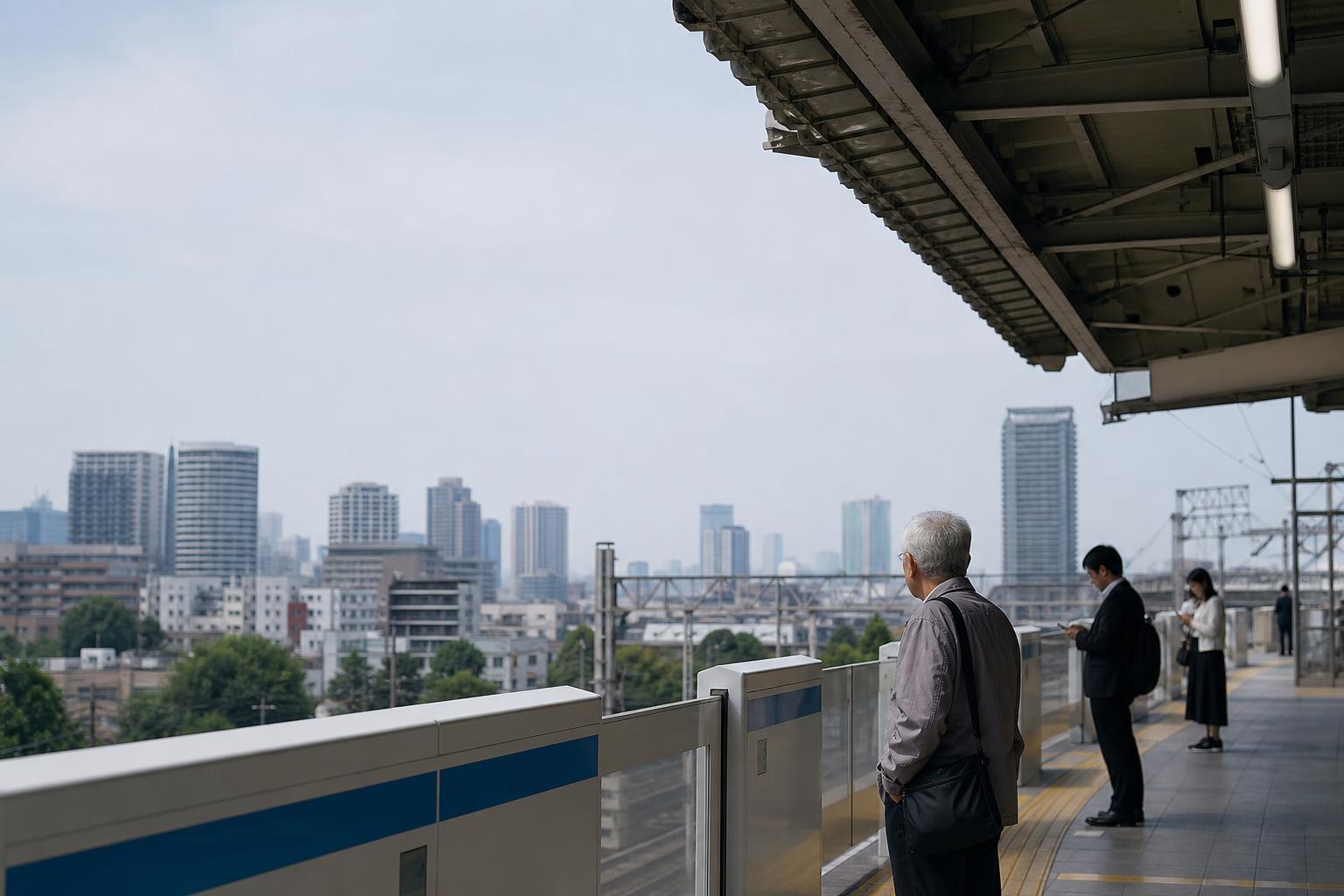
Total population falls to 123.05 million as decline widens
The Ministry of Internal Affairs and Communications on Tuesday released preliminary population figures from the 2025 census. Japan's total population, including foreign residents, stood at 123,049,524 as of Oct. 1, 2025, down 3,096,575, or 2.5%, from the previous census in 2020. The pace of decline widened from the previous survey.
Declines continue outside Tokyo and Okinawa
Compared with the 2010 census, when the population peaked at 128,057,352, the total was about 5 million lower. The decline rate from 2015 to 2020 was 0.7%, showing that the pace of population decline accelerated. The ministry said the reason was that fewer births and an aging population were pushing the natural decline wider.
In a comparison with population estimates for other countries compiled by the United Nations, Japan ranked 12th, down from 11th five years earlier. The change was affected by Ethiopia's population increasing 13.9% from 2020 to 2025.
Of the total population, 59,778,826 were men and 63,270,698 were women. The sex ratio, which shows the number of men per 100 women, was 94.5.
By prefecture, population fell from the previous survey in 45 of the 47 prefectures, excluding Tokyo and Okinawa. Hokkaido saw the largest decline, down 239,195. Saitama, Chiba, Kanagawa, Aichi, Shiga and Fukuoka, which had posted gains in the previous census, also turned to declines.
Tokyo's population rose by 198,621 to 14,246,219, accounting for 11.6% of the national total. Its growth rate of 1.4% was also the highest. Okinawa's population rose 0.1% to 1,468,220.
By municipality, population decreased in 1,558 of the country's 1,719 municipalities. Six municipalities posted population growth of 10% or more, while 476 recorded declines of 10% or more. Cities with populations of more than 1 million included 12, such as Yokohama, Osaka, Nagoya and Sapporo, including Tokyo's special wards.
The number of households nationwide reached a record 57,124,507. That was up 2.3% from the previous census, while the average household size fell to 2.15 people, the smallest since comparable data became available in 1970. The trend toward more single-person households continued.
Okinawa recorded the biggest increase in households, up 6.1% from the 2020 census. By average household size, Yamagata was the largest at 2.49 people, while Tokyo was the smallest at 1.88.
Response rate at 80.7%
The overall response rate for the 2025 census, combining internet and mail responses, was 80.7%. The internet response rate, which was introduced nationwide in 2015, came to 47.3%.
The census is conducted by the Ministry of Internal Affairs and Communications once every five years to grasp the actual conditions of all households in Japan, including foreign residents, as of Oct. 1. Census workers distribute forms to each household and collect data on family sex, dates of birth, employment status, length of residence and other items.
In years ending in zero, a 'large-scale survey' with more questions, including educational background and transport used for commuting or going to school, is conducted. In 2025, it was a 'simplified survey' with fewer questions, carried out in years ending in five. This was the 22nd census since the first one in 1920.
Population and household data obtained from the census serve as the basis for calculating local allocation tax distributed by the central government to local governments. They are also used to redraw electoral district boundaries to correct vote-value disparities.
Enjoyed this article? Share it with your network!