





US-Iran talks reach tentative deal, awaiting Trump decision on 60-day extension
 2026-05-28
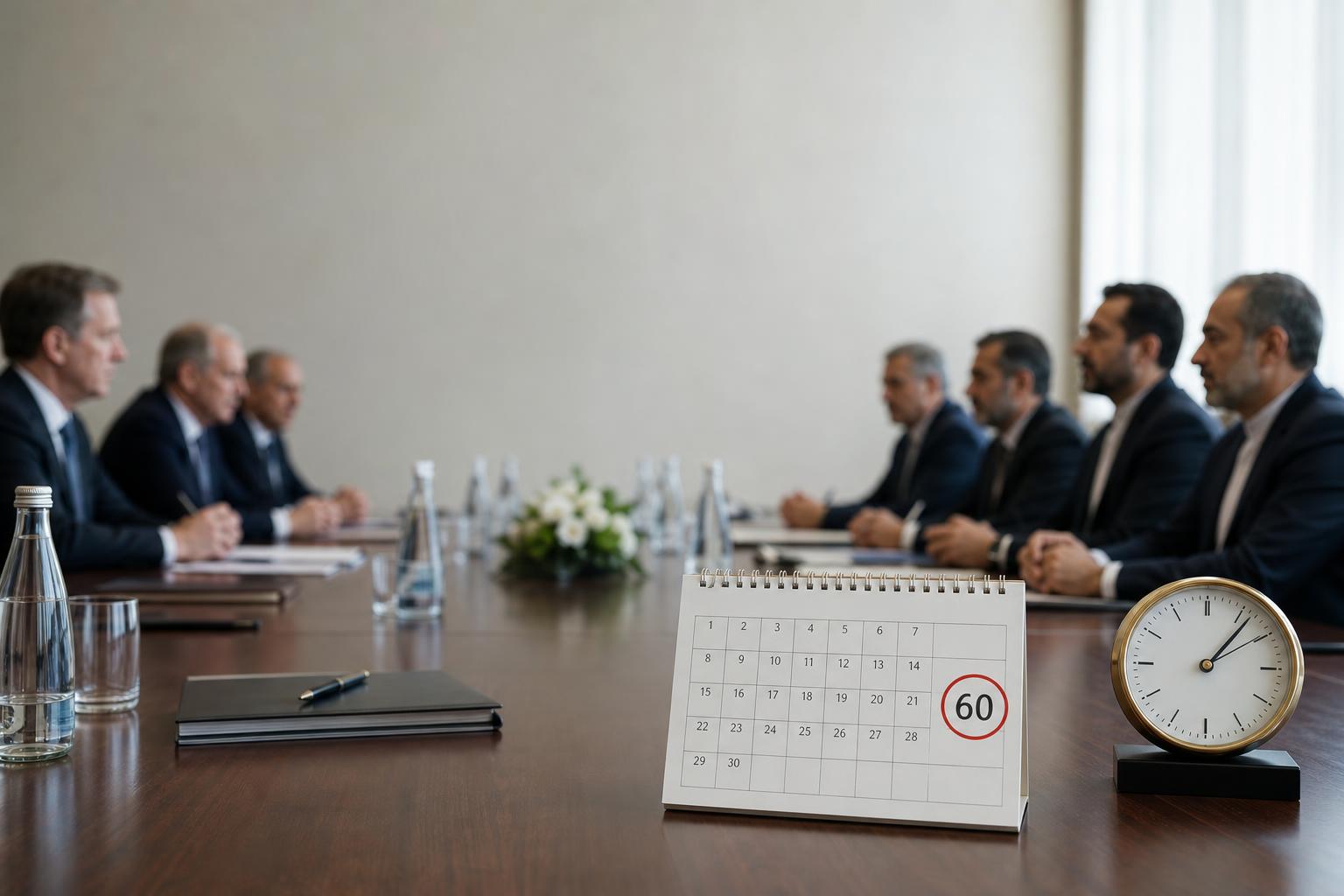
Tentative deal reached in US-Iran talks
A US government official said on the 28th that talks between the United States and Iran had reached a tentative agreement and were awaiting approval from US President Donald Trump. According to Axios, the two sides agreed to extend the truce by 60 days and sign a memorandum to discuss Iran's nuclear issue.
Dispute over highly enriched uranium and the Strait
The Iranian government has not responded. The two sides remain at odds over removing highly enriched uranium from Iran and opening the Strait of Hormuz. Israeli media, citing diplomatic sources from a mediating country, said neither side has given a final answer.
Memorandum to include nuclear renunciation and sanctions talks
According to Axios, US negotiators briefed Trump on the agreement proposal, but he said he would like to think about it for a few days. The memorandum is expected to include opening the Strait of Hormuz and Iran removing all mines within 30 days.
It will also include a commitment that Iran will not pursue the development of nuclear weapons. The 60-day talks will discuss how to dispose of highly enriched uranium and whether to lift the economic sanctions the United States has imposed on Iran.
Talks remain difficult even after the ceasefire
The United States and Israel began attacks on Iran on February 28. The US side said it was seeking to prevent Iran from acquiring nuclear weapons and killed Iran's Supreme Leader Khamenei in massive airstrikes. In response, Iran effectively blockaded the Strait of Hormuz, disrupting traffic through the waterway that is a vital artery for oil shipments.
The two sides agreed to a ceasefire on April 7 and continued talks aimed at ending the fighting. Pakistan served as mediator and held face-to-face talks on the 11th and 12th of that month, but the gap over Iran's nuclear issue and the opening of the Strait of Hormuz was not bridged, leaving the talks deadlocked.
Enjoyed this article? Share it with your network!