





Drone strikes help Ukraine regain the initiative at the front
 2026-05-27
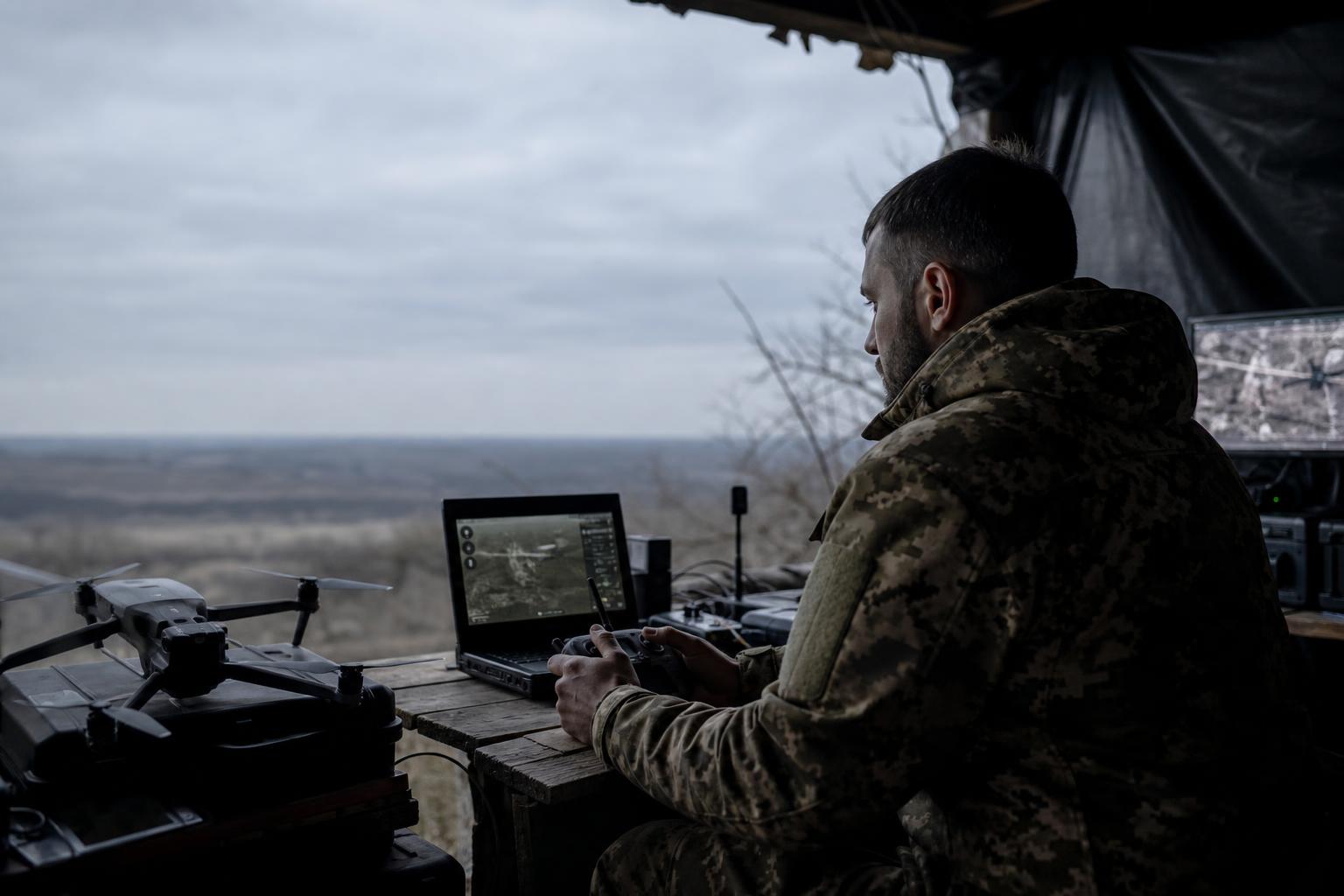
Ukraine is regaining the initiative on some parts of the front by attacking supply hubs inside Russia with medium-range unmanned aerial vehicles, or drones, inflicting damage on logistics lines. Russian advances have slowed, and rising personnel losses, together with that, have left the spring’s large-scale offensive effectively ending in failure.
Changes on the battlefield
Ukrainian President Volodymyr Zelenskiy said on the 22nd that the country had liberated about 590 square kilometers of territory since the start of the year. Since April, it has recaptured several settlements in the southern Zaporizhzhia region and pushed Russian forces back from the center of Kupiansk, a key location in the eastern Kharkiv region.
In an analysis on the 20th, the U.S. think tank Institute for the Study of War, or ISW, said Ukraine was posting its biggest gains since launching a cross-border attack into Russia’s western Kursk region in 2024. It said Russian forces had been pushed back in some areas and that occupied territory posted a net decline in April.
Since the start of its invasion, Russian forces have expanded the territory they control from spring to early summer, when infantry units are easier to deploy. This year, too, they launched a major offensive from March, but the pace of advance has been slower than in previous years. According to DeepState, which analyzes public information, Russian forces captured only about 670 square kilometers between January and April 2026, down 25% from a year earlier.
Strike power and pressure on supply lines
Although Russia continues its offensive in places such as Kostiantynivka in the eastern Donetsk region, it has failed to break through. Ukrainian Defense Minister Feddorov said Russia’s advance along the front had been significantly slowed and that Ukraine was regaining the initiative.
Commander-in-Chief Syrsky also said on the 18th that Ukrainian forces had outnumbered Russian forces in the number of attacks, the first time since the invasion began.
There are mainly three factors supporting Ukraine’s counteroffensive. First is the improved performance of medium-range drones. Ukraine has established domestic mass production of low-cost aircraft and reduced its dependence on the U.S.-made High Mobility Artillery Rocket System, or HIMARS. By striking refineries, railway infrastructure and ammunition depots inside Russia, hundreds of kilometers from the border, on a daily basis, it is forcing Russian forces to move supply hubs farther to the rear.
Feddorov also said on the 18th that Ukraine had succeeded in developing high-impact guided glide bombs and planned to deploy them in combat. The aim is to counter the hundreds-of-kilograms class glide bombs Russia has been using and to strengthen Ukraine’s ability to strike rear-area positions.
Russian forces face mounting attrition
On the front line, a growing 'kill zone' is increasing Russian losses. The term refers to an area under constant drone surveillance where advancing enemy troops are concentrated and attacked. Ukrainian military expert Dmytro Zymailo said the kill zone on defensive lines has expanded to 20 to 40 kilometers, and he estimates Russian troop attrition exceeds 90%.
Russia is also struggling to replenish personnel. In April, the number of casualties reportedly exceeded the number of newly contracted soldiers. A shortage of communications on the front line is also putting Russian forces under pressure.
In February, U.S. space company SpaceX blocked Russian military use of the Starlink satellite communications service at Ukraine’s request. Russia has used drones equipped with Starlink terminals, but it has not secured an alternative, making it highly likely that drone attack operations and other activities are being disrupted.
ISW said the likelihood of Russia occupying all of Donetsk region has diminished. With troops and resources constrained, it said Russia faces a choice between continuing its assault on Donetsk or diverting forces to respond to Ukraine’s counteroffensive in the south and elsewhere.
Even so, Ukraine is also facing a serious troop shortage, making a large-scale recapture of territory difficult to foresee. As the stalemate on the front line drags on, the scenario in which Russian forces strike vulnerable areas of Ukraine’s defenses still remains. Russia has concentrated troops near the borders of Ukraine’s northeastern Sumy and Kharkiv regions, and Ukraine is stepping up vigilance for a new offensive.
Enjoyed this article? Share it with your network!