





Trump stock trades top 3,700 in Jan-March 2026, scrutiny grows
 2026-05-26
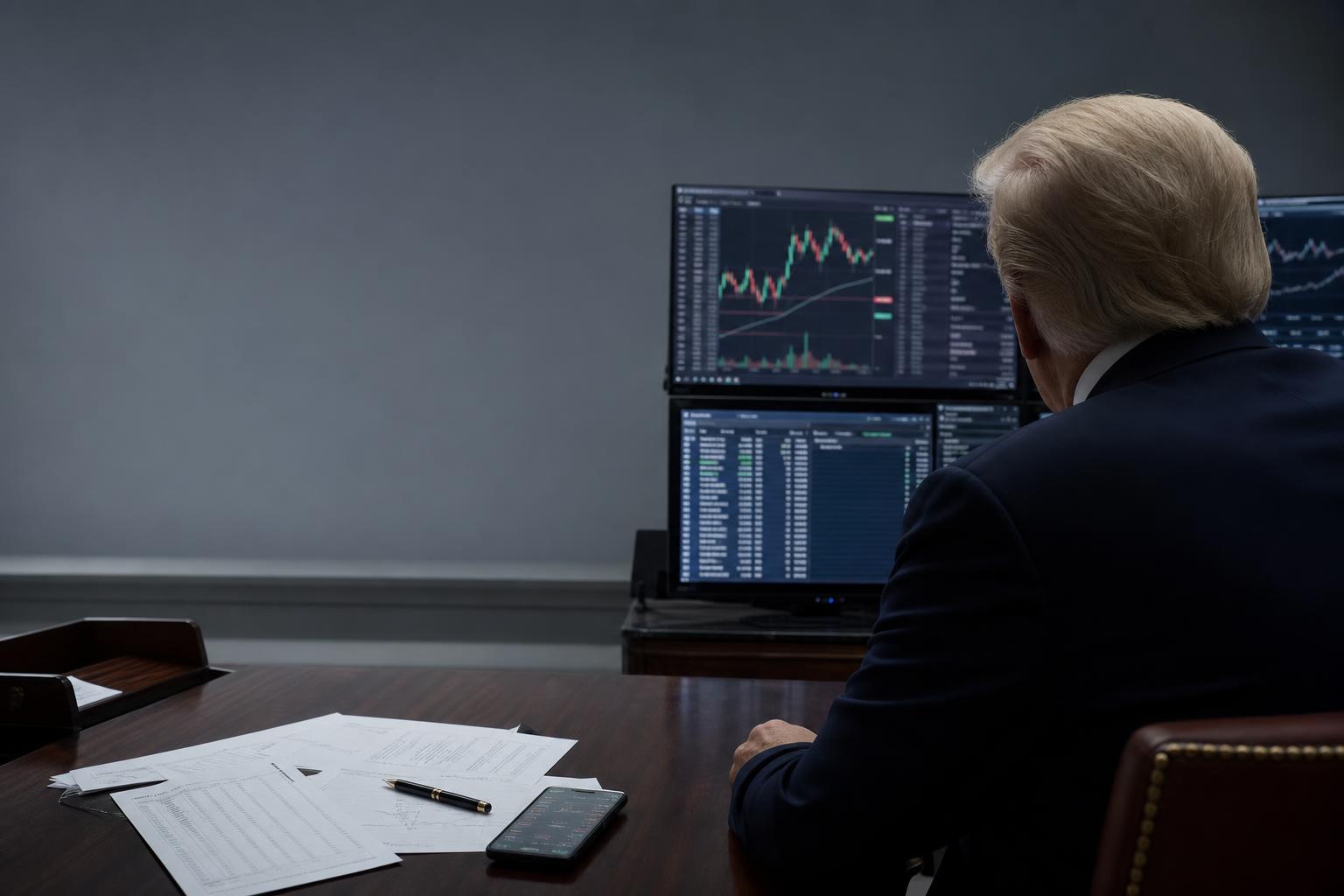
U.S. President Donald Trump has ramped up trading in shares of U.S. companies. The number of transactions in January-March 2026 topped 3,700, more than 10 times the year-earlier level, and the total value ran into hundreds of millions of dollars. Many of the stocks were in companies with close ties to the administration, stoking concerns over self-dealing.
Trades surge in January-March
The transactions were disclosed in securities-trading reports released by the U.S. Office of Government Ethics, or OGE, through the 26th. Trump bought and sold securities and municipal bonds at least about 3,700 times in January-March 2026 through multiple accounts. Of those, the number of companies whose shares were acquired, excluding exchange-traded funds tracking stock indexes and funds, came to about 890.
That compared with 374 transactions in the same period a year earlier, an increase of about 10 times in a year. While most of the trades in the same period a year earlier were municipal bonds, trading in private-company shares has become more prominent this year.
Trading picked up further in March after the U.S. strikes on Iran, with transactions that month rising to 2,172, three times January's level. OGE's reporting threshold covers securities trades of more than 1,000 dollars and does not include transactions in U.S. Treasurys or real estate. The total value of transactions in the period is estimated at around 200 million dollars to 700 million dollars, or about 31.8 billion yen to 111 billion yen, with trades of 15,000 dollars to 50,000 dollars accounting for 70% of the total.
Big tech net sold
By sector, Trump appears to have been a net seller of big tech stocks in January-March, while buying more semiconductor and software shares.
During the period, he bought a broad range of stocks, including Nvidia, Qualcomm, Adobe, Oracle, eBay and Boeing. The purchases suggest he is adding to semiconductors, where memory demand is expected to rise on AI investment, and SaaS stocks, which have fallen on fears they could be replaced by AI.
By contrast, he was a net seller of big tech names in the Magnificent 7, including Alphabet and Meta. In Japan, he also acquired shares in Kura Sushi USA, the U.S. subsidiary of Kura Sushi.
Stocks close to the administration
Trump has also bought many shares in companies with deep business ties to the U.S. government or that have donated to him. The names include Nvidia, whose sales of chips to China were approved by the administration, Palantir Technologies, which does business with the Pentagon, and Lockheed Martin.
Trump and his family have broadened their investments and involvement in areas backed by the administration, including crypto assets, military drones, critical minerals and nuclear power. In the United States, a president's securities trading itself is not illegal, but if he profits from shares in companies with close government ties, suspicion of self-dealing is hard to avoid.
Matthew Tuttle of Tuttle Capital Management said the case 'highlights the issue of politicians being broadly involved in trading and the need for oversight'.
A spokesman for the family company did not respond to a request for comment. Bloomberg reported, citing a company spokeswoman, that Trump, his family and the company had no involvement whatsoever in the trades and were not notified in advance.
However, the filings include language on some trades, including Nvidia and Apple, that can be read to mean the account holder himself directed the trades rather than a financial adviser or brokerage firm. It cannot be ruled out that Trump, his aides or relatives were involved.
Given the number of trades and Trump's busy schedule, Tuttle said it was likely the accounts were managed by an investment adviser. He also said some of the trading may have been done automatically by AI or other systems.
It is unclear how directly Trump is involved in individual stock trades, but the filings list Trump himself as the beneficiary of the securities transactions. The documents also show a signature dated May 8.
Disclosure of securities trading information by the U.S. Office of Government Ethics has been mandatory since 2012. The trading records of past presidents are not clear, but according to U.S. media, former Presidents Barack Obama and Joe Biden did not trade securities during their terms. The U.S. news site Axios called Trump 'the most active stock trader in presidential history'.
Enjoyed this article? Share it with your network!