





Trump, Senate GOP Leaders Deepen Rift Ahead of Midterms
 2026-05-23
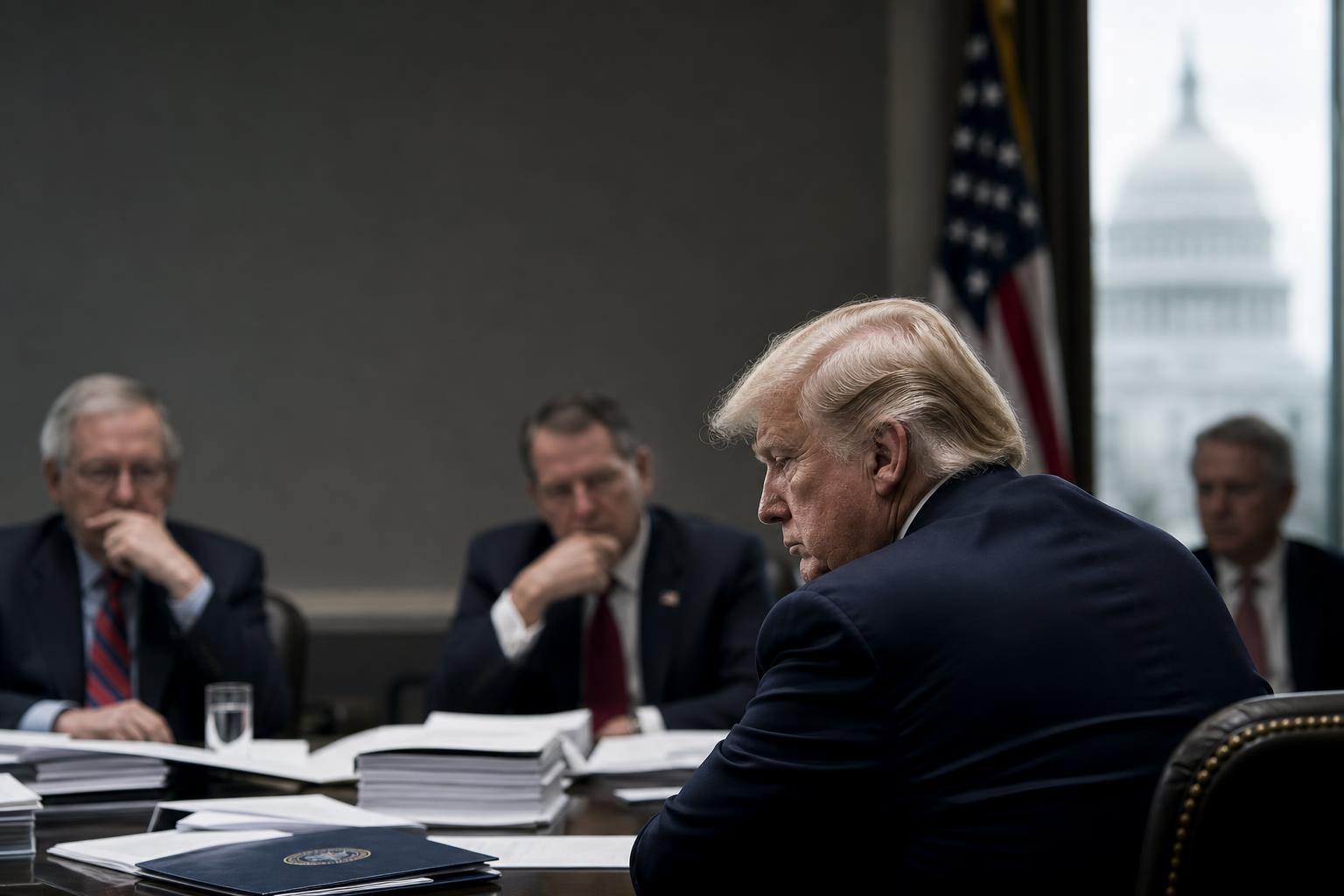
Rift widens before midterm elections
With the U.S. midterm elections in November approaching, friction is intensifying between President Donald Trump and the Senate leadership of the ruling Republican Party in Congress. After pushback over the administration's creation of a relief fund for victims of 'judicial weaponization', Senate leaders delayed a vote on a bill related to measures against illegal immigration, which had been scheduled for the 21st.
When asked by reporters at the White House on the 21st whether he was no longer able to control the Republican Senate caucus, Trump said 'I don't know', stopping short of a clear denial.
Backlash over relief fund
The Justice Department said on the 18th that it would create an about $1.8 billion fund to provide compensation to people harmed by politically motivated investigations and prosecutions by previous administrations. In addition to Trump aides and friends, supporters charged over the 2021 attack on the U.S. Capitol could also qualify for compensation.
Opposition Democrats called it 'corruption', while Senate Republican leader John Thune told reporters it was 'not desirable'. There is particular concern that even people who used violence against police officers in the Capitol attack could be covered.
According to U.S. media, acting Attorney General Blanche visited Congress on the 21st to try to brief Republican lawmakers. But shortly afterward, Republican leaders postponed the vote on the spending bill. They are also considering adding a provision to exclude from the fund people charged with violence against police officers, the reports said.
Concerns over election strategy
The bill had been set to include security funding linked to Trump's push for a White House ballroom project, but several Republican senators objected and the leadership decided to remove it, saying passage would be difficult, according to reports. A public opinion poll released at the end of April by The Washington Post and others found that 56% of Americans opposed the ballroom project, suggesting concern over public sentiment may also have played a role.
Within the Republican Party, discontent had already been simmering over Trump's support for primary challengers as 'revenge' against lawmakers who do not align with him ahead of the midterm elections.
In the Republican primary in Louisiana on the 16th, Senator Cassidy, who voted to convict Trump in his impeachment trial, lost to a Trump-backed 'spoiler' candidate. Trump posted on social media that it was 'pleasant to see his political career end'.
On the 19th, he voiced support for Texas Attorney General Paxton, a hard-line conservative embroiled in scandal, rather than incumbent Senator Cornyn in the Republican primary in Texas. Democrats have chosen young state legislator Talarico as their candidate, adding to Republican worries about the general election.
On the 19th, the Senate agreed to begin debate on a bill requiring congressional approval for continued attacks on Iran. Cassidy, who had previously opposed the measure to avoid intensifying criticism of Trump, switched to support it after his primary defeat.
Republican leaders appear to be wary that leaning too far toward Trump's hard-line approach could cost them support from independents and moderates in the midterm elections. At the same time, they are being pressed to balance that with Trump's desire to boost the morale of his core supporters, known as MAGA.
Enjoyed this article? Share it with your network!