




Trump delays AI safety order over China rivalry
 2026-05-22
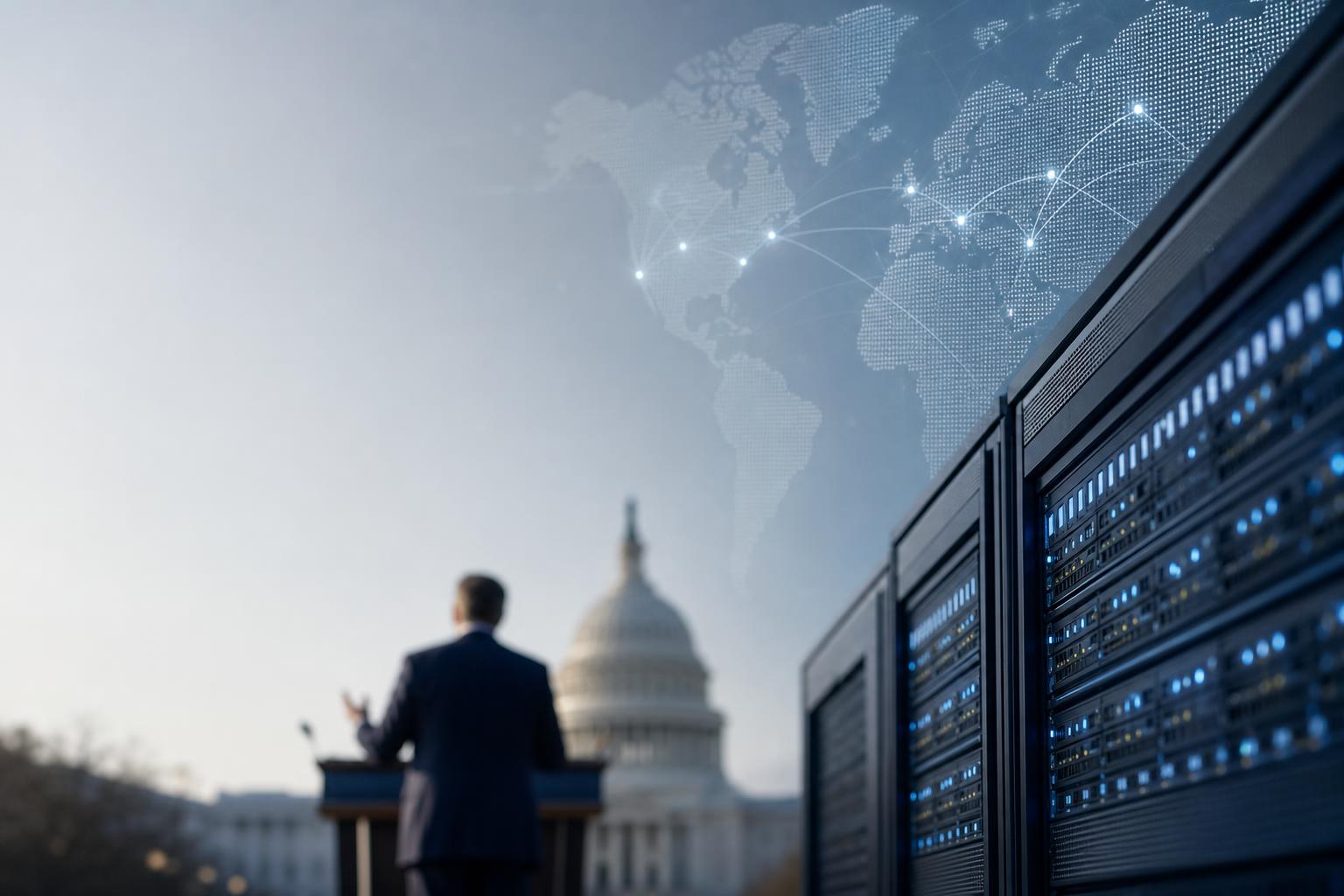
U.S. President Donald Trump on the 21st delayed signing an executive order on safety measures for advanced artificial intelligence (AI), saying there were things he did not like about it.
Delay over AI safeguards
According to U.S. news sites Axios and Politico, the administration had been considering a system to inspect advanced AI models before they are released. The plan would have involved voluntary submissions from AI developers, allowing the U.S. government and operators of critical infrastructure to check for cybersecurity concerns.
Trump had been scheduled to sign the order in the afternoon of the 21st with CEOs of major AI developers, but he shelved the plan. He told reporters, 'It would hinder us from leading China and other countries in AI technology. We do not want to do that.'
Trump said AI was 'bringing jobs at a scale never seen before' and said he had 'really thought that regulation would get in the way.'
Shifting regulatory stance inside the administration
Shortly after taking office, the Trump administration scrapped AI policies from the previous administration and set out a plan to boost the competitiveness of U.S. AI companies through deregulation. Since the start of this year, however, it has gradually begun to change course in response to Anthropic's 'Claude Mythos.'
Trump himself also appears to be struggling to balance AI competitiveness with safety. In an interview aired on Fox News on the 15th, he said that amid a fierce battle with China for technological supremacy, 'it is not easy to set guardrails while competing,' but added that 'some guardrails are necessary.'
Pressure for regulation grows among supporters
The administration also needs to keep an eye on the midterm elections in November, as anti-AI sentiment is growing among supporters known as MAGA, short for Make America Great Again.
Steve Bannon, who served as White House chief strategist in Trump's first administration and is still seen as close to Trump, sent a letter on the 15th urging AI companies to be required to conduct tests before product launches.
Bannon and others argued that 'no private company should have the right to unilaterally release technology that has deep implications for national security without evaluation and safeguards,' and said that 'America First means prioritizing the safety and freedom of the American people over the interests of elite companies and globalists.'
AI companies also back some regulation
Various surveys in the United States have also shown growing anxiety over AI. In a survey released by Stanford University in April, about 60% of Americans who are not AI specialists said they expected AI to reduce jobs over the next 20 years. In a Gallup poll for Generation Z released in April, positive feelings toward AI had fallen from a year earlier, while 'anger' had risen sharply.
There are also calls for some regulation from AI companies themselves, which are concerned about the uncontrolled spread of their technologies. Anthropic supports the rules enacted last year in California, which require AI companies to draw up safety measures and disclose information.
Even so, AI policy requires balancing multiple interests, and some say the White House lacks the people and functions needed to manage it. Trump is facing a challenge that his strong leadership alone cannot solve.
Enjoyed this article? Share it with your network!