





Warsh sworn in as new Fed chair, vowing reform and independence
 2026-05-22
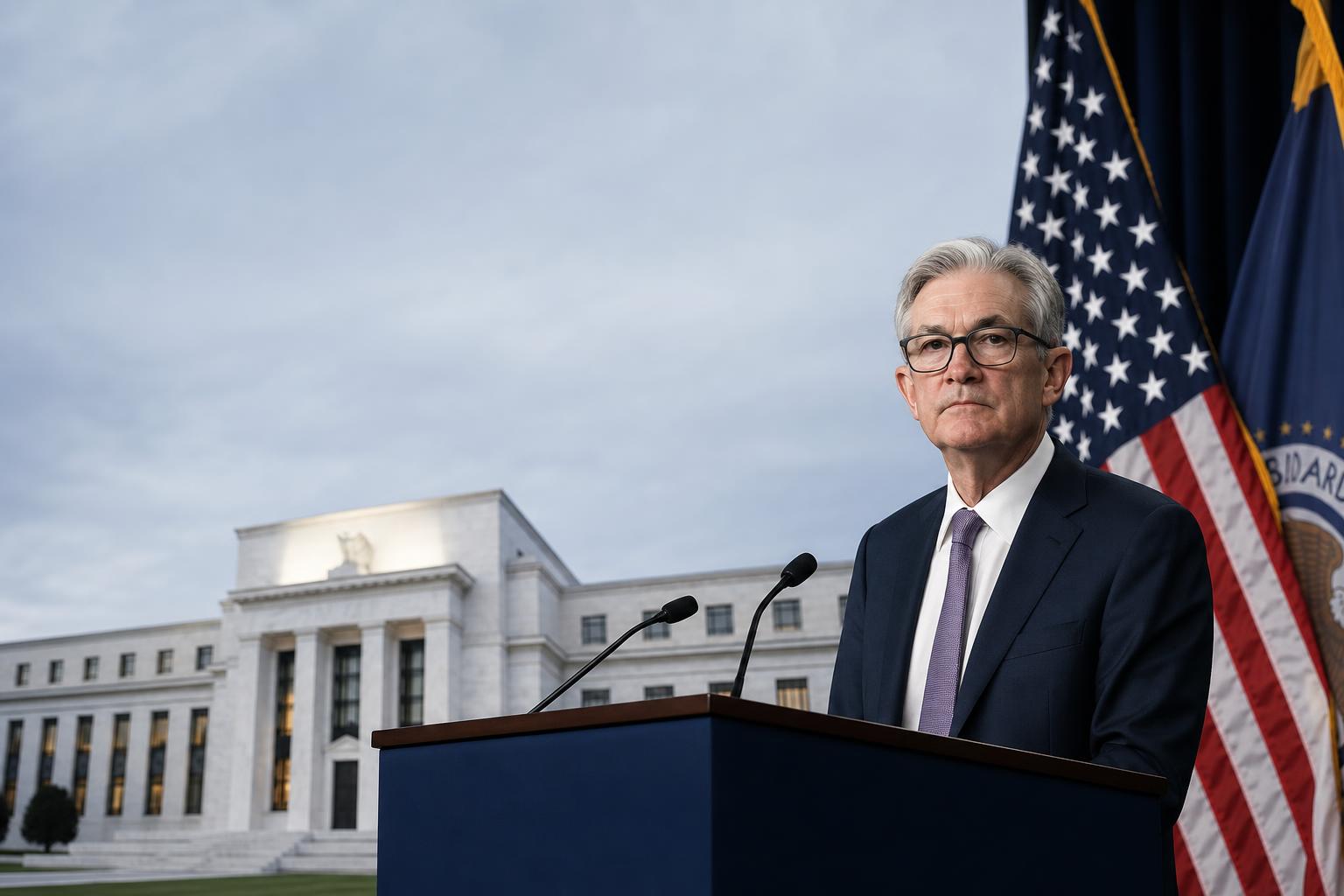
Warsh sworn in at the White House
Federal Reserve Chairman Kevin Warsh on the 22nd took the oath of office at the White House and said he would lead a reform-minded Fed. President Donald Trump, who was present, said he wanted Warsh to do what he wanted without looking to him, urging independent operation.
The swearing-in ceremony, usually held at Fed headquarters, was instead held at the White House for the first time in about 40 years. The ceremony lasted about 30 minutes, with Trump using more than 20 minutes for his speech. While praising Warsh, Trump said he wanted him to be independent and simply do a great job, avoiding remarks that could be taken as direct pressure on monetary policy.
He also turned his criticism toward inflation under former Chair Jerome Powell. Referring to the previous Biden administration as well, Trump stressed that 'the American people suffered from the worst inflation in history.' The oath was administered by Supreme Court Justice Brett Kavanaugh, and Justice Clarence Thomas also attended, according to Trump. Both men had dissented when the Supreme Court ruled in February that Trump tariffs were unconstitutional.
Attending the ceremony were Treasury Secretary Scott Bessent, National Economic Council Director Kevin Hassett and Commerce Secretary Howard Lutnick, among others. Also present were politicians close to Trump, including Glenn Youngkin, the Republican who served as governor of Virginia.
Inflation curbs and balance sheet reduction
After taking the oath, Warsh again said, based on past successes and failures, that he would lead a reform-minded Fed. At his nomination hearing in April, he said curbing inflation was key to preserving the Fed's independence.
He has criticized the Fed under Powell for missing the acceleration in inflation four to five years ago as a 'fatal mistake' and has called for fundamental policy reforms, including a 'new framework for tackling inflation.'
He also places importance on returning the Fed's assets and liabilities to an appropriate size. The Fed's balance sheet has continued to expand since the 2008 Lehman shock. At the hearing, he said it needed to be reduced through a 'gradual and careful process.'
Warsh views the expansion of the balance sheet through larger purchases of government bonds and other measures as 'fiscal policy by another name.' He believes the central bank became involved in politics by backing fiscal expansion and says it should reduce that involvement through balance sheet shrinkage and focus on monetary policy.
Markets wary of a review of Fed communications
Still, the reforms come with concerns. Warsh has said he wants to review how the Fed communicates.
At four of its eight meetings a year, the Federal Open Market Committee releases a dot plot showing the policy rate levels participants consider appropriate for the future. Fed governors and regional Fed presidents have also spoken freely about their views on the economy and interest rates.
At his hearing, Warsh said he was concerned that such a system binds policymakers to forecasts. He believes the FOMC should debate flexibly, without preconceptions.
In markets, there are concerns that if dialogue between the Fed and markets declines, transparency could weaken and confusion could arise when new policies are announced.
At his swearing-in ceremony on the 22nd, Warsh said he was confident that if the Fed pursues its mandate of stable prices and employment, 'inflation will fall, economic growth will rise and real incomes will increase.'
Trump has also pressed for rate cuts in the past
However, as at the hearing, he did not address the near-term direction of monetary policy. Following his predecessors, Warsh is expected to testify before Congress soon and present his views on monetary policy. From the June 16-17 FOMC meeting, he will preside over the discussions.
At present, employment is generally stable, while price increases driven by higher gasoline costs are becoming more noticeable. Inflation concerns are rising within the Fed, but political pressure could also intensify.
Trump said he would leave policy decisions to Warsh, but he has repeatedly demanded interest rate cuts from the Fed in the past. Not only in speeches and on social media, but he is also said to have called the chair to apply pressure. Powell revealed at a 2023 event that he sometimes received calls during Trump's first administration. He said he never received a call from former President Joe Biden, who publicly said he respected the Fed's independence.
Enjoyed this article? Share it with your network!