





Iran Delivers Response to U.S. Proposal Through Pakistan, Trump Rejects Offer
 2026-05-11
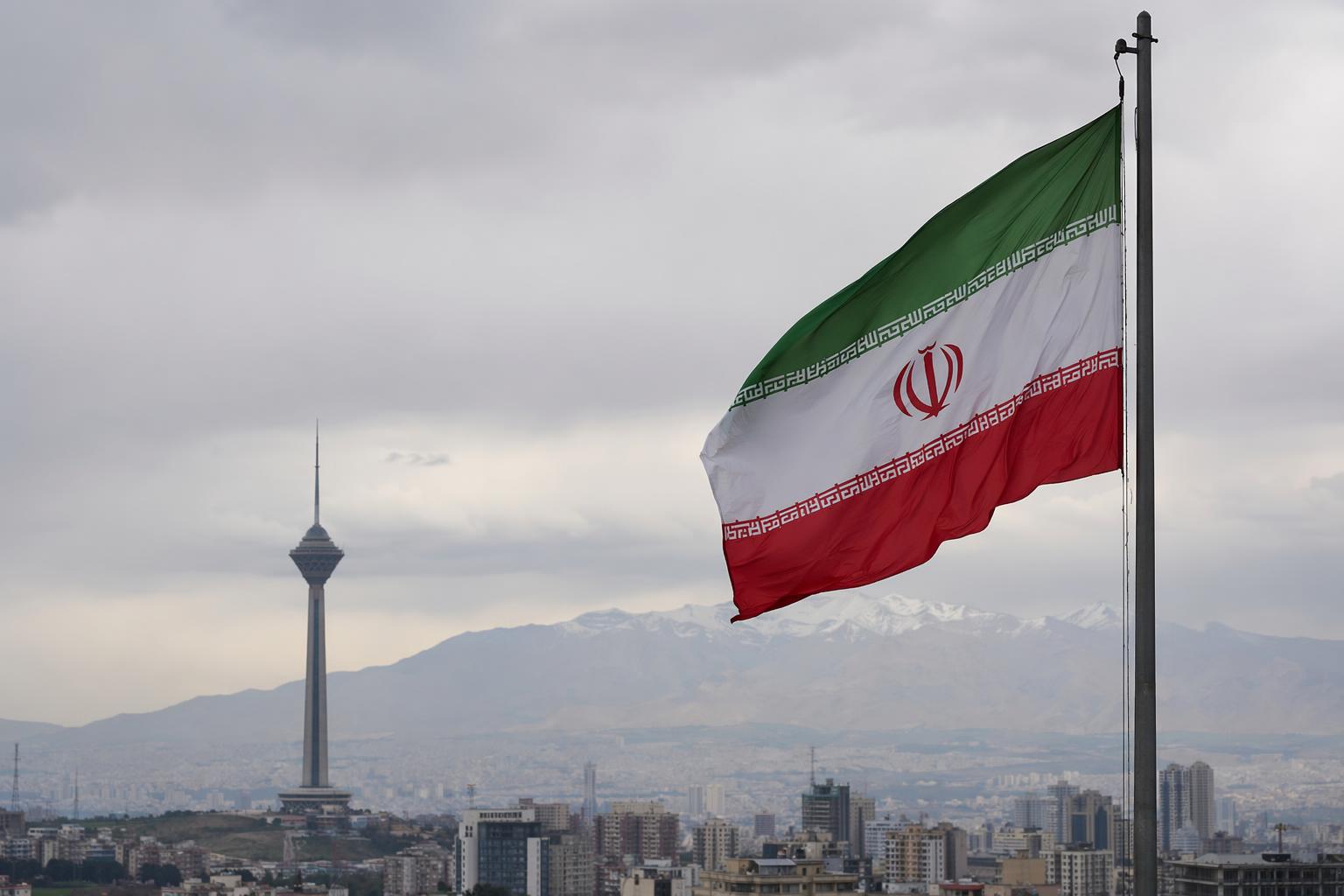
Iran sends response to U.S. proposal
Iran's state news agency IRNA reported on the 10th that Iran had sent its response to a U.S. proposal aimed at ending the fighting to mediator Pakistan. U.S. President Donald Trump said the same day that he had read the response, and criticized it on social media, calling it “completely unacceptable.”
In a post, Trump expressed dissatisfaction, saying, “I read the response from Iran’s so-called ‘representative.’ I don’t like it.” In another post, he wrote, “Iran has been playing both the United States and the world by repeatedly delaying. The time for mockery is over.”
Negotiations remain deadlocked
According to IRNA, Iran's response at this stage focused on ending the fighting. Meanwhile, Iran’s state-run English-language broadcaster Press TV reported on the 10th that Iran had rejected the U.S. proposal, describing it as surrender to Trump’s excessive demands. Instead, Iran reportedly called for full sovereignty over the Strait of Hormuz, the lifting of sanctions, and the return of frozen assets.
The Wall Street Journal reported, citing sources, that the content concerning Iran’s nuclear issue differed significantly from U.S. demands. President Pezeshkian posted on social media that same day, saying, “Even if there is talk of dialogue or negotiations, it does not mean surrender or retreat. The goal is to restore the rights of the Iranian people and protect the nation's interests.”
The military conflict involving the United States, Israel, and Iran began at the end of February. The U.S. side has maintained that it aims to prevent Iran from obtaining nuclear weapons, and carried out airstrikes that killed then Supreme Leader Ayatollah Ali Khamenei. Iran effectively controlled the Strait of Hormuz, causing shipping through the strait to stall.
The two sides agreed to a temporary ceasefire on April 7 and had been advancing negotiations aimed at ending the fighting, but the gap between their positions on Iran’s nuclear development was not bridged, and the talks stalled. After that, the U.S. first proposed agreeing on a framework for ending the fighting, which the Iranian side was considering.
As behind-the-scenes exchanges through mediators continued, CNN reported on the 8th that Iran’s current Supreme Leader, Ayatollah Mojtaba Khamenei, was playing an important role in strategy formulation. Although his authority within the regime is unclear, he is believed to be likely supporting internal discussions regarding negotiations with the U.S.
Reports about Mojtaba's movements are also increasing domestically. It was reported that by the 10th, an Iranian military senior official had met with Mojtaba and said preparations were in place to respond to U.S. hostile actions. President Pezeshkian was also said to have recently met with Mojtaba and held a frank 2.5-hour dialogue. Mojtaba was injured in a U.S. attack, and details of his health condition have not been disclosed. Even after succeeding the Supreme Leader, he has not appeared in public.
Enjoyed this article? Share it with your network!